
Are you ready to transform your life and thrive in 2026? In a world where nearly 80% of people now prioritize holistic well-being, the definition of your wellness has expanded far beyond just physical health. Today, mind and body empowerment is essential for lasting vitality and happiness.
This guide is designed to help you optimize your wellness journey in the coming year. Inside, you’ll discover the latest insights on holistic wellness dimensions, mental and emotional empowerment, physical vitality, habit formation, and simple steps for sustainable change.
Explore the full guide for practical strategies to empower your mind and body in 2026.
Understanding Holistic Wellness in 2026
What does it really mean to take charge of your wellness in 2026? Today, the concept stretches far beyond simply eating right or exercising. A truly empowered life integrates every aspect of well-being, from your mental state to your environment. As the definition of your wellness continues to evolve, understanding its multi-dimensional nature is essential for lasting change.
The Evolving Concept of Wellness
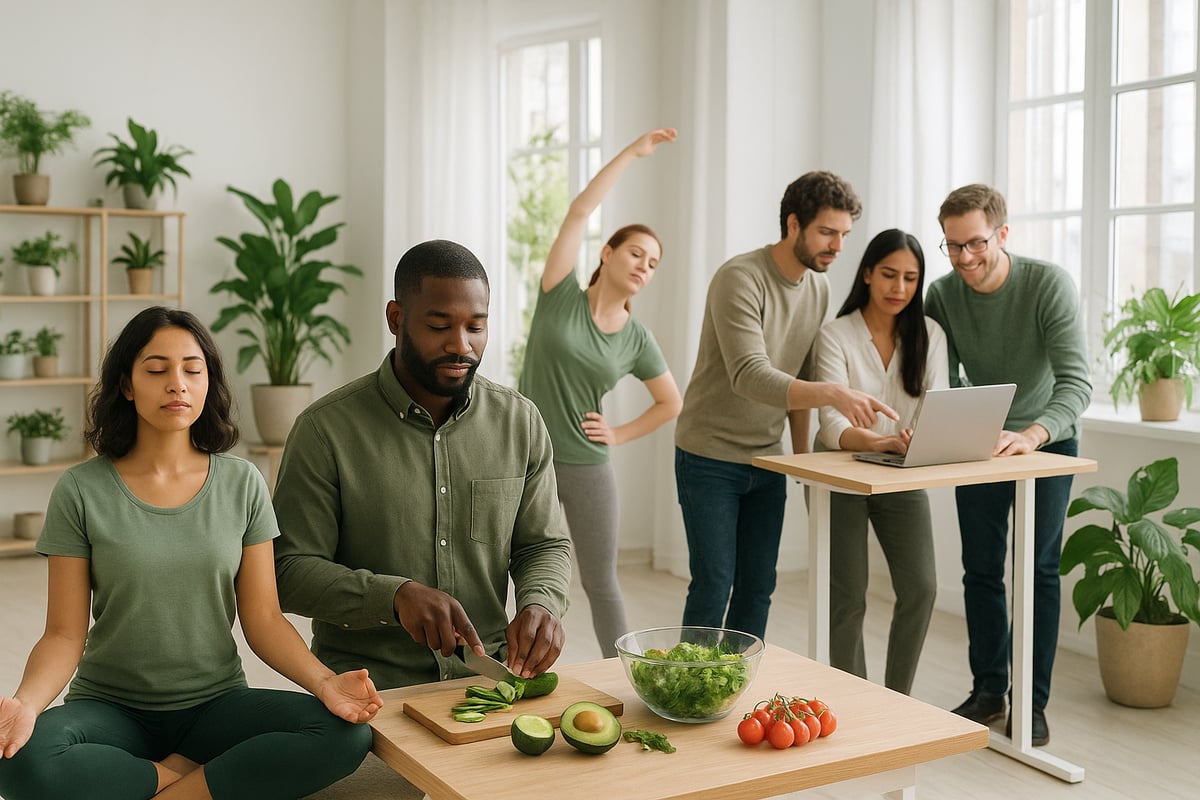
Holistic wellness in 2026 is defined as the dynamic integration of eight dimensions: physical, mental, emotional, social, spiritual, vocational, financial, and environmental well-being. Unlike traditional approaches that focus solely on physical health, your wellness now encompasses the full spectrum of your daily experiences.
| Dimension | Focus Area |
|---|---|
| Physical | Nutrition, exercise, sleep |
| Mental | Mindset, cognitive health |
| Emotional | Stress, self-awareness |
| Social | Relationships, support |
| Spiritual | Values, purpose |
| Vocational | Work, satisfaction |
| Financial | Stability, planning |
| Environmental | Safe, nurturing spaces |
Research shows that 40 percent of daily behaviors are habitual, directly influencing your wellness outcomes. Neglecting any one dimension can ripple into the others, lowering your overall quality of life. For example, imagine balancing work deadlines, nurturing relationships, and still carving out time for self-care. It is not about achieving perfect balance, but rather finding personal harmony that fits your unique needs.
Your wellness is a reflection of your ability to harmonize these dimensions, adjusting focus as life changes. Embracing this mindset allows you to prioritize what matters most at any given time.
Key Wellness Trends for 2026
As we look to the future, several trends are shaping your wellness journey. Mental health and emotional intelligence have become central, with resilience training and mindfulness practices on the rise. Preventative and lifestyle medicine are now mainstream, helping people address issues before they escalate.
Technology is transforming how you approach your wellness. Wearables and wellness apps deliver personalized data, making it easier to track progress and adjust routines. Environmental awareness is also growing, as individuals recognize how sustainable living impacts both personal and planetary health.
Remote work and digital tools are redefining social and vocational dimensions, fostering new ways to connect and collaborate. For a deeper look at emerging trends—like simplified skincare routines and the rise of functional fragrances—explore Holistic Wellness Trends for 2026.
By staying informed about these trends, you can better align your wellness strategies with what matters most in the coming year.
Barriers to Achieving Wellness
Despite the focus on holistic well-being, many people face barriers on their path to optimizing your wellness. Common challenges include:
- Limited time or overwhelming schedules
- Lack of motivation or clear direction
- Confusion caused by conflicting information
- Difficulty sustaining new habits
Sustaining change is often the hardest part. Many set ambitious New Year’s resolutions, only to abandon them weeks later. This happens because self-regulation and habit formation require consistent effort and practical strategies.
Your wellness depends on building routines that fit your lifestyle, seeking credible information, and bouncing back from setbacks. Recognizing and addressing these barriers is the first step toward lasting transformation.
Empowering Your Mind: Mental and Emotional Well-Being
In 2026, the conversation around your wellness is evolving rapidly. Mental and emotional well-being are now recognized as essential pillars, not just optional extras. Understanding how to empower your mind can transform every aspect of your wellness, influencing how you think, feel, and interact with the world.
This section explores the science, strategies, and tools you need to make your wellness a top priority for the coming year.

The Pillars of Mental Wellness
Mental wellness is more than just the absence of illness. It is the foundation of your wellness, encompassing emotional regulation, self-awareness, stress management, and a positive mindset. Each pillar supports your ability to navigate daily life with clarity and resilience.
Consider the following core pillars:
- Emotional regulation: Managing feelings constructively.
- Self-awareness: Understanding your thoughts and triggers.
- Stress management: Using tools to stay balanced.
- Positive mindset: Building optimism and gratitude.
Research shows that focusing on these elements can reduce the risk of chronic disease, boost productivity, and enhance relationships. For example, understanding your circadian rhythm can help you align tasks with your natural energy peaks. This alignment supports your wellness by making mental tasks feel less draining.
Self-awareness is crucial for forming lasting habits. When you recognize your strengths and stressors, you can create routines that serve your wellness journey. Prioritizing these pillars will help you build a strong mental foundation for your wellness in 2026.
Building Resilience and Emotional Intelligence
Resilience is your ability to adapt and thrive through life’s challenges. It is a cornerstone of your wellness, allowing you to recover from setbacks and maintain emotional balance. Developing resilience and emotional intelligence means learning to identify, understand, and manage your emotions and those of others.
Effective strategies include:
- Mindfulness: Practicing present-moment awareness.
- Gratitude: Focusing on positive aspects daily.
- Cognitive reframing: Shifting perspectives on challenges.
- Empathy building: Understanding others’ feelings.
- Active listening: Engaging fully in conversations.
Mindfulness-based interventions alone can reduce stress by up to 30 percent, making them a powerful tool for your wellness. Incorporating practices like yoga can further support mind-body resilience. Explore Yoga for Mind-Body Wellness for techniques that blend movement, breath, and mental clarity.
Practical exercises such as journaling, gratitude lists, or empathy-building activities can strengthen emotional intelligence. These habits empower your wellness by fostering adaptability and meaningful connections.
Overcoming Mental Health Stigmas
Despite growing awareness, stigma around mental health continues to be a barrier to your wellness. Many people hesitate to seek help, fearing judgment or misunderstanding. In 2026, digital platforms are making support more accessible and discreet.
Teletherapy and online counseling have transformed mental health care. Virtual support groups and digital communities offer safe spaces to share experiences and advice. For example, one individual found relief from anxiety after joining a virtual therapy program, which provided flexible sessions and ongoing community support.
Challenging stigma means acknowledging that mental health is a vital part of your wellness. Open conversations, education, and accessible resources are breaking down barriers. Remember, seeking help is a sign of strength, not weakness. Embracing support systems can make a profound difference in your wellness journey.
Tools and Technologies for Mental Wellness
Technology is rapidly reshaping how you approach your wellness. In 2026, a wide range of apps and wearables are available to support meditation, mood tracking, and cognitive training. These tools help you monitor progress, set reminders, and track your emotional state over time.
Popular digital resources include:
- Meditation apps: Guided sessions for stress relief.
- Mood trackers: Daily check-ins to spot patterns.
- Cognitive training games: Sharpening focus and memory.
- Wearables: Monitoring physiological markers like heart rate.
However, it is important to set healthy boundaries with technology. Overuse can disrupt sleep and concentration, affecting your wellness. Data shows that 68 percent of adults experience better well-being when engaging in regular digital mindfulness practices.
Choosing the right tools and using them mindfully will amplify your wellness efforts. Technology, when integrated thoughtfully, can make mental and emotional well-being more accessible and sustainable.
Energizing Your Body: Physical Wellness for the Future
Are you looking to elevate your wellness strategy in 2026? Physical wellness is not just about appearance or short-term health—it is the cornerstone of your wellness journey, supporting mind and body alike.
In this section, we will explore the latest strategies for nutrition, exercise, sleep, and preventive care. These pillars work together to empower your wellness and help you thrive.

Key Components of Physical Wellness
Physical wellness is the integration of nutrition, movement, sleep, and preventive care into your wellness plan. Each component is interconnected, meaning that neglecting one can affect your overall well-being.
Regular movement not only enhances your physical health but also boosts cognitive function and emotional stability. For many, your wellness begins with small daily choices that add up over time.
A holistic approach considers how your wellness habits in one area, like exercise, can positively influence your energy, mood, and resilience.
Nutrition and Hydration in 2026
Nutrition is a foundational aspect of your wellness. In 2026, trends like plant-based eating, personalized meal plans, and hydration tracking are at the forefront.
Studies show that proper hydration can improve cognitive performance by up to 15 percent. Using meal planning apps or smart water bottles makes it easier to meet personal nutrition goals.
If you are seeking practical strategies, explore Nutrition and Healthy Eating Tips for guidance on building a sustainable plan that supports your wellness objectives.
Consider these pillars:
- Emphasize whole foods and balanced meals.
- Monitor hydration levels throughout the day.
- Use technology for personalized nutrition tracking.
Exercise and Movement: Beyond the Gym
Physical activity is essential for your wellness, but it is evolving beyond traditional gym routines. Functional fitness, micro-workouts, and movement woven into daily life are becoming standard.
The World Health Organization recommends at least 150 minutes of moderate activity weekly. Even short bursts of movement—like stretching between meetings or taking walking calls—can have a big impact.
Remote work has shifted how people move. Try integrating movement cues into your workspace, such as standing desks or scheduled stretch breaks, to keep your wellness on track.
Benefits of regular movement include:
- Enhanced mood and lower stress
- Improved cardiovascular health
- Greater energy throughout your day
Sleep Optimization and Recovery
Quality sleep is a vital part of your wellness, directly affecting mood, cognition, and immune function. Chronic sleep deprivation now affects one in three adults and raises the risk for long-term illness.
Optimizing your sleep starts with a consistent schedule and a restful environment. Consider limiting screen time before bed and creating a tech-free bedroom.
For those interested in the latest advancements, new sleep technologies introduced in 2026 are making it easier to track and improve sleep quality, helping to support your wellness goals.
Tips for better sleep hygiene:
- Stick to a regular bedtime routine.
- Keep your bedroom cool and dark.
- Avoid caffeine late in the day.
Preventative Care and Health Monitoring
Preventive care is a proactive step in your wellness plan. Regular check-ups, screenings, and self-assessments catch potential issues early, supporting long-term health.
Wearables now integrate health data seamlessly, allowing you to monitor vitals, track activity, and share insights with your healthcare provider. Early detection through digital tools means you can address concerns before they escalate.
Consider these actions for optimal wellness:
- Schedule annual physicals and screenings.
- Use wearable devices for ongoing health monitoring.
- Stay informed about your health data and trends.
Staying proactive ensures that your wellness remains a priority, no matter how busy life becomes.
Conclusion: Energize Your Wellness Journey
Physical wellness is the engine that powers your wellness ambitions in 2026. By focusing on nutrition, movement, sleep, and prevention, you set a strong foundation for lifelong vitality.
Embrace these strategies and remember: your wellness is a dynamic, evolving process. Start today, and let each small step move you closer to your healthiest self.
The Science of Habits: Creating Lasting Change
Achieving lasting transformation in your wellness is not about willpower alone. It is about understanding the science of habits and using that knowledge to build routines that empower both your mind and body. With the right approach, anyone can master habits that fuel a healthier, more vibrant life.

Understanding Habit Formation
Habits are the invisible architecture of your wellness. Defined as recurrent behaviors cued by specific contexts, they often run on autopilot. Scientists describe the “habit loop” as a sequence: cue, routine, and reward. For example, your morning alarm (cue) may prompt you to stretch (routine), leaving you feeling energized (reward).
Research indicates it takes an average of 66 days to form a new habit. This means that the routines supporting your wellness are not built overnight, but with steady repetition and patience. Consider the impact of a morning routine that includes hydration, movement, and mindful breathing. Over time, these small actions create a powerful foundation for your wellness.
Neglecting habit formation can sabotage even the most ambitious goals. By understanding how habits work, you gain control over the building blocks of your wellness journey.
Self-Regulation and Willpower
Self-regulation is the ability to guide your behavior toward long-term objectives, a critical skill for your wellness. However, mental energy is not unlimited. Relying solely on willpower can lead to fatigue and frustration, especially when life gets stressful.
Imagine trying to overhaul your entire lifestyle at once. Without clear strategies, your wellness efforts may quickly stall. That is because willpower is like a muscle—it gets depleted with overuse. Instead, focus on creating an environment and routines that support your wellness without constant self-control.
Understanding your personal triggers, preferences, and daily rhythms is essential. By designing routines that fit your lifestyle, you make it easier to stick with positive habits even when motivation dips.
Strategies for Successful Habit Change
To transform your wellness, use evidence-based strategies that make new habits stick. Research shows that monitoring progress, scheduling behaviors, and leveraging accountability can dramatically increase success. According to a Meta-Analysis of Habit Formation Interventions, structured approaches lead to higher rates of sustained behavior change.
Key strategies include:
- Start small: Choose simple, manageable actions.
- Stack habits: Link new routines to existing ones.
- Track progress: Use journals or apps for accountability.
- Reward yourself: Celebrate milestones to reinforce success.
Customizing these strategies to your wellness profile is vital. For example, if you are a night owl, schedule habits for times when your energy peaks. These tactics transform your wellness goals from wishful thinking into daily reality.
Overcoming Setbacks and Building Consistency
Setbacks are a natural part of any wellness journey. Motivation may fade, life may interrupt, or old habits may resurface. The key is to approach these moments with self-compassion and adaptability.
Research confirms that using multiple strategies improves habit success rates. If you miss a day, do not view it as failure. Instead, adjust your plan and seek support. Accountability partners, digital reminders, and flexible routines help you get back on track.
Consistency, not perfection, is what propels your wellness forward. By embracing setbacks as learning opportunities, you continue to evolve and strengthen the foundation of your wellness over time.
Social, Environmental, and Financial Wellness: The Overlooked Dimensions
The journey to optimize your wellness in 2026 means giving attention to dimensions often overlooked. While physical and mental health are vital, social, environmental, and financial wellness are just as essential for whole-person well-being. By understanding and nurturing these areas, you can create a foundation that supports your wellness goals for years to come.
Social Wellness: Building Strong Connections
Social wellness is the ability to form healthy, supportive relationships and participate in community life. Research shows that strong social ties can increase lifespan by up to 50 percent, making this dimension critical for your wellness. In 2026, many people find connection through both in-person gatherings and virtual communities.
Hybrid social events blend online and offline interactions, allowing you to nurture friendships and expand your support systems. Whether you're joining a local group or participating in a digital wellness forum, these connections help buffer stress and foster resilience. To enhance your wellness journey, consider seeking support from professionals or networks such as the Meet the Wellness Team, who can guide and motivate you along the way.
Environmental Wellness: Healthy Spaces, Healthy You
Your environment—both natural and built—has a significant impact on your wellness. Clean air, natural light, and safe surroundings contribute to mental clarity and physical health. Sustainable living is gaining ground in 2026, with more people reducing toxins at home and embracing eco-friendly habits.
Simple changes, like adding plants or improving ventilation, can boost your wellness by creating a healthier living and working space. Home office ergonomics matter too, as comfortable furniture and proper lighting support productivity and well-being. By paying attention to your surroundings, you create an environment that nurtures your wellness every day.
Financial Wellness: Stress Less, Live More
Financial wellness means managing resources wisely, planning for the future, and reducing money-related stress. This area is closely linked to your wellness, as financial challenges often trigger anxiety and impact physical health. In 2026, digital tools make it easier than ever to take control of your finances.
Budgeting apps, financial literacy resources, and building an emergency fund are practical ways to strengthen your wellness foundation. By developing healthy money habits, you reduce stress and create space for other areas of your wellness to thrive. Remember, financial wellness is not just about wealth, but about feeling secure and empowered in your daily life.
Vocational and Spiritual Wellness
Vocational wellness involves finding meaning and satisfaction in your work or daily activities. When your role aligns with your strengths and values, it fuels your wellness and sense of purpose. Mindful career planning and regular reflection can help you stay on track and adapt as your goals evolve.
Spiritual wellness is about seeking meaning, values, and connection—whether through religious or secular practices. Creating a personal mission statement can clarify your direction and support your wellness journey. By integrating vocational and spiritual wellness into your routine, you ensure that your wellness remains dynamic and deeply fulfilling.
Step-by-Step Guide: Empower Your Mind and Body in 2026
Are you ready to take control of your wellness journey in 2026? This guide will walk you through each key step, ensuring your wellness plan is both actionable and sustainable. By following these steps, you will discover how to empower both mind and body, and unlock your full potential in the year ahead.
Step 1: Assess Your Current Wellness
Begin by evaluating your wellness across all eight dimensions: physical, mental, emotional, social, spiritual, vocational, financial, and environmental. Use a simple checklist and rate your satisfaction in each area from 1 to 10. This baseline helps you identify where your wellness is thriving and where you want to grow.
A sample self-assessment table:
| Dimension | Satisfaction (1-10) |
|---|---|
| Physical | |
| Mental | |
| Emotional | |
| Social | |
| Spiritual | |
| Vocational | |
| Financial | |
| Environmental |
Reflect honestly, as understanding your wellness baseline is essential for meaningful progress.
Step 2: Set SMART Wellness Goals
With your wellness assessment in hand, define clear goals using the SMART framework: Specific, Measurable, Achievable, Relevant, and Time-bound. For example, instead of a vague aim to "exercise more," set a goal like, "Walk 30 minutes daily for 8 weeks."
SMART goals provide direction and accountability, making it easier to measure your wellness improvements. Remember, each goal should align with your unique needs and current lifestyle.
Step 3: Build Your Personalized Action Plan
Select one or two focus areas for your wellness journey. Break these down into daily or weekly habits. Use habit stacking, such as pairing a new activity with an existing routine, to increase success.
For physical vitality, consider integrating movement throughout your day. For inspiration, discover the Benefits of Regular Exercise and how small changes can yield big results.
Personalize your wellness plan with environmental cues, such as keeping a water bottle on your desk or scheduling reminders for mindfulness breaks.
Step 4: Leverage Support Systems and Resources
Community and accountability are powerful motivators for your wellness journey. Join online groups, find an accountability partner, or participate in local wellness events.
Technology can also support your wellness by connecting you with like-minded individuals and providing access to resources. Whether it is a virtual fitness class or a meditation circle, tap into networks that align with your goals.
Step 5: Monitor Progress and Adapt
Track your wellness habits using journals, apps, or wearable devices. Celebrate milestones and be ready to adjust your plan as life evolves.
Regular self-monitoring increases the chance of goal achievement by up to 30 percent. Explore new tools, such as advanced sleep trackers highlighted in Advancements in Sleep Technology at CES 2026, to gain deeper insights into your wellness patterns.
Remember, adaptation is just as crucial as consistency.
Step 6: Practice Self-Compassion and Resilience
Be patient and flexible with your wellness journey. Setbacks are normal and can offer valuable feedback rather than failure.
Reframe obstacles as opportunities for growth. Practicing self-compassion nurtures resilience and helps your wellness efforts remain sustainable, even during challenging times.
Step 7: Sustain and Evolve Your Wellness Journey
Wellness is not a one-time achievement but a lifelong process. Periodically reassess your goals and celebrate your progress.
Stay curious and open to new strategies as your needs change. By committing to continuous growth, your wellness will adapt and thrive throughout 2026 and beyond.
As you reflect on your wellness journey and consider the practical steps outlined in this guide, remember that achieving lasting mind and body empowerment is a deeply personal process. Our dedicated team is here to support you with a holistic, wellness-focused approach designed to address your unique needs and goals. If you’re ready to take the next step toward optimal health and vitality, I invite you to connect with us and experience personalized care tailored just for you. Your path to feeling your best starts with a single action—Schedule Your Appointment Today.