
In a world where every choice impacts your future, we care about your health more than ever. The landscape of well-being is rapidly evolving, and staying informed is crucial to thrive.
This guide equips you with the latest science-backed methods and holistic approaches to prioritize your health in 2026. Our purpose is to offer a practical roadmap for achieving and maintaining optimal wellness amid modern challenges.
You will discover essential health fundamentals, preventive strategies, nutrition insights, mental and physical wellness tips, and how technology can empower your journey. Take charge of your well-being today.
The Foundations of Health: What Matters Most in 2026
In 2026, the phrase "we care about your health" is more than a slogan—it is a guiding principle for a new era of well-being. As health challenges evolve, understanding what truly matters forms the cornerstone of lasting vitality.

Understanding the Pillars of Health
Optimal well-being in 2026 depends on four interconnected pillars: physical, mental, social, and environmental health. Each pillar supports and strengthens the others, creating a balanced foundation for a thriving life.
Physical health is about more than exercise or a balanced diet. It includes sleep, regular screenings, and proactive management of risk factors. Mental health covers emotional stability, stress management, and cognitive function. Social health relies on meaningful relationships and community engagement. Environmental health considers how our surroundings, from air quality to green spaces, impact daily wellness.
The importance of holistic health models is rising rapidly. Rather than treating symptoms in isolation, experts now focus on root causes, integrating all aspects of well-being. The World Health Organization reports that 60% of individual health outcomes are linked to lifestyle choices, highlighting the need for comprehensive approaches.
Consider the Blue Zones—regions where people live significantly longer. These communities exemplify how movement, social connections, nutritious diets, and supportive environments combine for remarkable longevity. Their lessons show why we care about your health as a whole, not just isolated issues.
A proactive, whole-person approach is now the gold standard. According to the Advancing research on whole person health, integrating physical, psychological, and nutritional strategies leads to more sustainable results. This shift from reactive to preventive care empowers individuals to take charge of their well-being.
The Evolving Definition of Wellness
Wellness in 2026 is no longer defined simply by the absence of disease. Instead, it is a dynamic, lifelong process involving growth, adaptation, and balance. Emotional intelligence and resilience have become essential components, as individuals navigate a world of rapid change.
Recent data from the 2025 Global Wellness Institute survey reveals that 70% of adults now prioritize mental and emotional health as much as physical health. This evolution demonstrates why we care about your health in a truly holistic sense, acknowledging that mind and body are inseparable.
Corporate wellness programs have followed suit. Mindfulness sessions, stress management workshops, and emotional support are now standard offerings. These initiatives recognize that sustainable wellness requires attention to both inner and outer well-being.
Understanding wellness as a continuous journey allows for greater adaptability. Life stages, challenges, and environments all influence what health means. Building emotional resilience, fostering supportive relationships, and creating healthy routines are now seen as lifelong skills. This perspective ensures that your health remains a central priority, no matter what the future holds.
Preventive Care: Your First Line of Defense
In 2026, preventive care is more than a routine—it's a proactive promise that we care about your health. By focusing on early detection, risk assessment, and daily habits, you create a powerful shield against future illness. Let’s explore how prevention forms the cornerstone of a healthier, longer life.

The Power of Early Detection and Routine Screenings
Regular check-ups and screenings offer the first line of defense in safeguarding your health. These simple measures can catch problems like high blood pressure, high cholesterol, or cancer in their earliest stages. According to CDC data, preventive health services could save over 100,000 lives annually in the United States.
What does this mean for you? By scheduling screenings on time, you not only improve your chances of successful treatment but also reduce long-term healthcare costs. For instance, early detection of colorectal cancer can increase survival rates dramatically.
Key Screening Examples:
- Blood pressure monitoring
- Cholesterol checks
- Cancer screenings (breast, cervical, colon)
- Diabetes testing
Remember, we care about your health, and prioritizing routine exams is a vital step toward lasting wellness.
Vaccinations and Immunity in 2026
Vaccination remains a cornerstone of preventive care. Thanks to updated vaccination schedules and new vaccines targeting emerging threats, communities are better protected than ever. The World Health Organization reports that vaccine-preventable diseases have dropped by 80% over the last decade.
New vaccines now address not only traditional illnesses but also evolving health risks. Staying current with immunizations means you protect yourself and those around you. In 2026, we care about your health by ensuring you have access to the latest recommendations and information.
Consult your healthcare provider about:
- Annual flu shots
- COVID-19 boosters
- New vaccines for respiratory and emerging diseases
Being proactive about immunity helps build a safer, healthier future for everyone.
Personal Health Risk Assessments
Understanding your unique health risks is essential for effective prevention. Advances in genetic testing and family health history now enable tailored screenings and interventions. For example, individuals with a family history of heart disease may benefit from earlier cholesterol testing or cardiac imaging.
At-home diagnostic tools have also become more accessible, allowing you to monitor health markers from the comfort of your home. These innovations mean we care about your health in a way that is both personal and precise.
Consider these steps:
- Discuss family history with your doctor
- Explore genetic testing for hereditary conditions
- Use at-home kits for blood sugar or blood pressure monitoring
Personalized prevention empowers you to take control of your well-being.
Lifestyle Modifications for Prevention
Small daily habits can have a massive impact on your long-term health. The CDC links 40% of premature deaths to modifiable lifestyle factors such as smoking, excessive alcohol use, and poor sleep. Making positive changes doesn't require an overhaul—simple adjustments add up over time.
Top Lifestyle Changes:
- Quit smoking and avoid secondhand smoke
- Limit alcohol consumption
- Prioritize 7-9 hours of quality sleep
- Incorporate regular physical activity
We care about your health when we encourage these incremental improvements. Each step brings you closer to a healthier, more vibrant life.
Integrating Preventive Care Into Daily Life
Prevention is most effective when it becomes a seamless part of your routine. Digital reminders, health tracking apps, and community wellness programs make it easier to stay on track. Employer-sponsored challenges can boost participation in screenings and healthy activities by 30%.
One powerful way to stay committed is by partnering with a supportive team. The Meet Our Wellness Team page introduces professionals dedicated to guiding you through every step of your health journey. Their expertise ensures we care about your health, helping you integrate preventive strategies that last.
Take advantage of:
- Health apps for appointment and medication reminders
- Community classes and resources
- Employer wellness incentives
Proactive prevention today sets the foundation for lifelong well-being.
Nutrition for Optimal Health: Science-Backed Strategies
In 2026, nutrition stands as a cornerstone of well-being. With so much information available, it can be overwhelming to know where to start. At every step, remember that we care about your health, and the right choices today shape your future. Let’s explore the science-backed strategies that will guide you toward optimal nutrition.
Understanding Macronutrients and Micronutrients
Nutrition begins with understanding the building blocks that fuel your body. Macronutrients—proteins, fats, and carbohydrates—provide energy, while micronutrients—vitamins and minerals—support countless physiological processes.
The USDA 2025 guidelines highlight the importance of personalized nutrition. This means considering your age, activity level, and health goals when planning meals. For example, a plant-based diet is linked to a 25 percent lower risk of heart disease, showing how food choices impact long-term health.
Below is a comparison of the main macronutrients:
| Macronutrient | Function | Sources |
|---|---|---|
| Protein | Builds and repairs body | Lean meats, legumes, tofu |
| Carbohydrate | Provides energy | Whole grains, fruits, beans |
| Fat | Supports cell function | Avocado, nuts, olive oil |
We care about your health by encouraging a balanced intake of these nutrients, tailored to your unique needs.
The Impact of Processed Foods and Sugar
Ultra-processed foods and added sugars are major contributors to poor health outcomes in today’s world. A Harvard study found that high sugar intake raises the risk of chronic disease by 20 percent. This is a stark reminder that what you eat daily matters.
The rise in type 2 diabetes is a real-world consequence of excessive processed food and sugar consumption. These foods often lack essential nutrients and promote inflammation, leading to long-term health challenges.
Choosing whole foods over processed options is one way we care about your health, supporting your body’s natural balance and vitality.
Building a Balanced Plate: Practical Tips
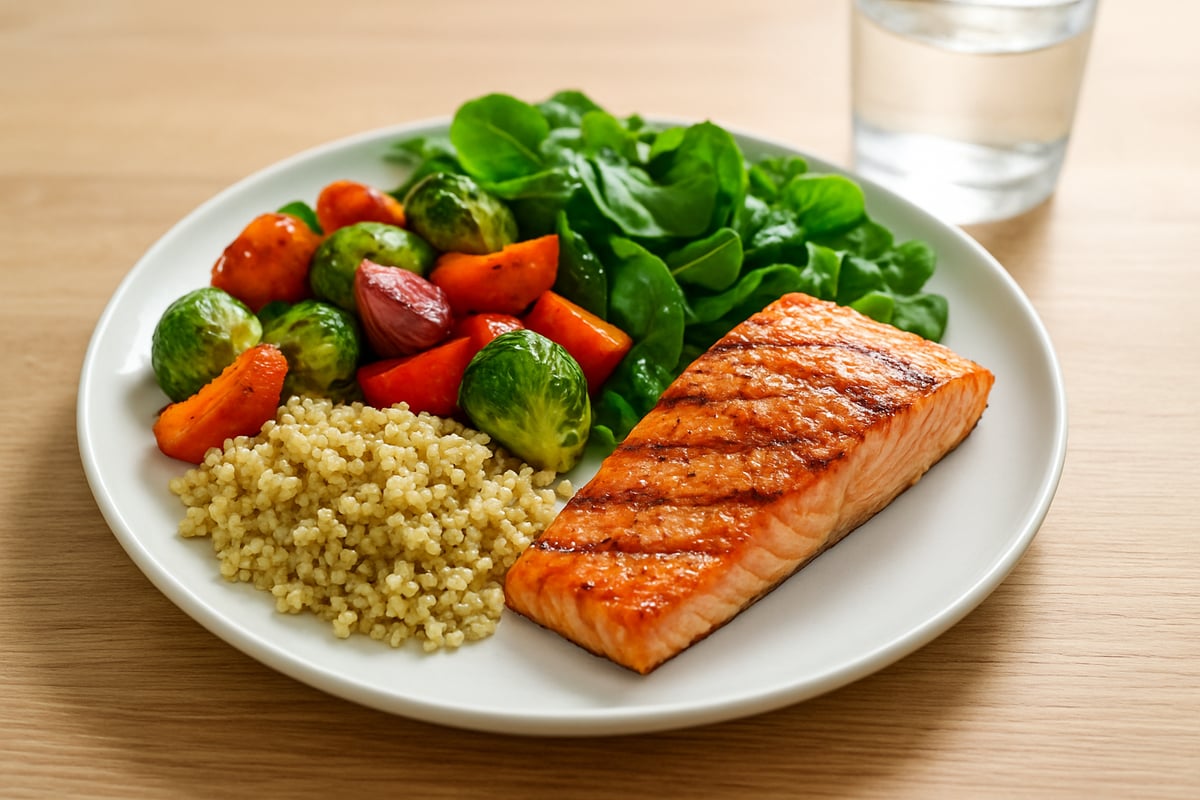
Creating a balanced plate is both an art and a science. Focus on portion control and thoughtful meal planning. Incorporate whole, nutrient-dense foods at every meal. The Mediterranean diet, rich in vegetables, healthy fats, and lean proteins, is proven to support heart health.
Here are some practical tips:
- Fill half your plate with colorful vegetables
- Choose whole grains instead of refined grains
- Include a source of lean protein
- Add healthy fats like olive oil or nuts
For more actionable guidance, explore these Nutrition and Healthy Eating Tips. Remember, we care about your health, and balanced meals are a daily investment in your well-being.
Supplements: When and What to Consider
Supplements can fill nutritional gaps, but they are not always necessary. Identifying genuine needs—such as vitamin D in winter or iron for certain populations—is key. Over-supplementation can lead to health risks, so it’s important to consult with a healthcare provider before starting any new regimen.
In 2025, 60 percent of adults reported using dietary supplements. However, marketing often outpaces scientific evidence. We care about your health by advocating for informed choices and prioritizing whole food sources first.
Hydration and Its Role in Wellness
Water is vital for energy, cognition, and metabolism. Even mild dehydration can reduce workplace productivity by 14 percent and impair focus.
Aim for consistent hydration throughout the day. Carry a reusable water bottle, set reminders, and listen to your body’s thirst cues. Proper hydration shows that we care about your health, as it supports every system in your body—helping you feel and perform your best.
Physical Activity and Movement: Staying Active in Modern Life
Staying active is more critical than ever for lifelong health and vitality. In 2026, the science is clear: movement is not just about fitness, but a cornerstone of holistic well-being. When we say "we care about your health," it means empowering you to make physical activity an enjoyable and integral part of your routine.
Benefits of Regular Exercise Across Lifespans
Regular physical activity delivers powerful benefits at every age. Exercise supports strong muscles and bones, boosts metabolism, and helps manage weight. Mentally, it reduces anxiety, sharpens focus, and lifts mood. Emotionally, movement builds confidence and resilience.
The CDC reports that 150 minutes of moderate activity weekly lowers mortality risk by 33 percent. For many, exercise is a prescription for chronic pain and depression. This evidence reinforces why we care about your health—proactive movement truly transforms lives.
- Improves heart and lung function
- Enhances energy levels and sleep
- Supports better emotional balance
Making movement a habit today is an investment in your future self.
Overcoming Barriers to Movement
Modern life brings challenges: busy schedules, sedentary jobs, and low motivation can hinder activity. Yet, solutions exist. Micro-workouts—short bursts of movement—fit easily into breaks. Standing desks encourage posture changes and reduce sitting time. Activity trackers set reminders and celebrate progress.
We care about your health, so it is vital to identify and address these barriers. Start by setting realistic goals and finding enjoyable activities. Even small changes, like taking the stairs or stretching between tasks, add up over time.
- Schedule exercise like appointments
- Use reminders or apps for accountability
- Involve friends or family for support
Consistency is key, not perfection.
Fitness Trends for 2026
The fitness landscape is evolving rapidly. Hybrid fitness—combining in-person and virtual classes—offers flexibility for all lifestyles. Wearable technology is more advanced, providing real-time feedback and personalized routines. AI-driven apps adapt workouts based on your goals and progress.
According to recent data, 72 percent of adults now use fitness apps or trackers. This shift shows how much we care about your health as a society, prioritizing accessible and tailored movement solutions.
| Trend | Description |
|---|---|
| Hybrid Fitness | In-person + virtual workout options |
| Wearable Tech | Real-time data and feedback |
| AI Personalization | Adaptive routines for users |
Explore new tools to keep your routine fresh and motivating.
Exercise for Special Populations
Physical activity benefits everyone, but needs vary. Seniors can improve balance and mobility with adaptive yoga or chair exercises. Children thrive with playful movement and outdoor games. Those with chronic conditions should consult professionals for safe, effective routines.
We care about your health, which means supporting all ages and abilities. Accessible programs ensure no one is left behind. Adaptive approaches promote confidence, safety, and enjoyment.
- Seniors: gentle stretching, balance drills
- Kids: team sports, playground play
- Chronic conditions: low-impact, supervised exercise
Personalization is essential for sustainable results.
Integrating Movement Into Daily Routines
Blending activity into daily life makes it sustainable. Walking meetings, active commuting, and family outings turn movement into shared experiences. Research from Harvard links 10,000 steps a day with better heart health.
Because we care about your health, we encourage using resources like Exercise and Movement Resources for practical guidance. These tools help you stay motivated and track your progress.
- Walk or bike for errands
- Take short movement breaks during work
- Plan weekend hikes or group activities
Small, consistent actions create lasting change.
Mental and Emotional Well-Being: The Overlooked Essentials
In today's fast-paced world, prioritizing mental and emotional health is no longer optional. The phrase "we care about your health" must extend beyond the physical, as emotional well-being is foundational to a thriving life. According to the State of the World’s Emotional Health 2025, rising rates of stress and anxiety worldwide underscore the urgent need for proactive mental health strategies.
The Mind-Body Connection
Science continues to reveal the intricate link between mind and body. Chronic stress can increase the risk of cardiovascular disease by 40 percent, impacting physical health in profound ways. When we say "we care about your health," this means addressing emotional challenges as seriously as physical symptoms. Emotional turmoil triggers physiological responses, such as elevated blood pressure and weakened immunity, making it essential to cultivate balance and self-awareness.
Simple practices like mindful breathing or pausing to notice your emotional state can interrupt stress cycles. Recognizing and addressing these signals early is a vital part of comprehensive wellness.
Strategies for Managing Stress and Anxiety
Managing stress is a cornerstone of mental wellness. Techniques like mindfulness meditation, guided imagery, and structured breathing exercises are proven to lower anxiety levels. The American Psychological Association found that mindfulness reduced perceived stress by 30 percent in 2025. When you adopt these habits, you're reinforcing the idea that "we care about your health" is more than a slogan—it is a daily commitment.
Consider integrating brief meditation sessions into your routine. Even five minutes of deep breathing or reflection can help reset your nervous system. These strategies are accessible, effective, and can be practiced anywhere.
Sleep Hygiene and Cognitive Health
Sleep is critical for emotional stability, memory, and immune function. The CDC reports that 35 percent of adults experience insufficient sleep, which is linked to seven major health risks. Prioritizing restful sleep is a direct way to demonstrate that "we care about your health" through actionable steps.
Establish a calming bedtime routine, limit screen time before sleep, and maintain a regular sleep schedule. These simple adjustments can dramatically improve mood, concentration, and resilience in daily life.
Building Emotional Resilience
Resilience is the ability to adapt and bounce back from adversity. Techniques such as cognitive behavioral therapy, journaling, and support groups equip individuals to handle life's challenges with greater ease. Positive psychology interventions have been shown to boost well-being scores by 20 percent, reinforcing the message: we care about your health by empowering you to thrive, not just survive.
Try keeping a gratitude journal or joining a local support group. These small but powerful actions foster inner strength and long-term emotional balance.
Social Connections and Support Systems
Strong relationships are essential for optimal health. The Harvard Study of Adult Development found that those with solid social ties live longer, healthier lives. At every stage, "we care about your health" means encouraging meaningful connections—with friends, family, and the broader community.
Reach out to loved ones, participate in group activities, or volunteer locally. Building and nurturing a support system enhances emotional well-being and creates a foundation for lasting health.
Integrative and Holistic Health Approaches
The landscape of health and wellness in 2026 is rapidly evolving. Integrative and holistic approaches are now central to effective care. These strategies blend evidence-based conventional medicine with complementary therapies, offering a more complete picture of what it means to thrive. By focusing on the whole person, not just symptoms, we care about your health in ways that create lasting change.
Combining Conventional and Alternative Medicine
In 2026, more people are recognizing the value of merging traditional medical practices with alternative therapies. This integrative approach might include chiropractic adjustments, acupuncture, massage therapy, and naturopathy. These therapies often work alongside standard treatments, aiming to address the root causes of discomfort, not just the symptoms.
Consider the benefits of this model:
- Reduced reliance on medication
- Improved pain management and mobility
- Enhanced mental and emotional well-being
Research shows that 40% of adults now incorporate complementary health approaches. This shift reflects the belief that we care about your health by looking at the entire person, not just isolated conditions. Holistic models also encourage a partnership between patient and provider, fostering trust and collaboration.
Personalized Wellness Plans
Personalized care is a cornerstone of modern holistic health. Advances in diagnostics, such as genetic testing and metabolic profiling, allow practitioners to tailor wellness plans for each individual. Functional medicine, for example, investigates underlying triggers for illness, creating custom strategies that address unique needs.
A personalized approach can include:
- Nutrition guidance based on individual biomarkers
- Exercise routines adapted to personal goals and physical limitations
- Stress management techniques matched to lifestyle demands
By focusing on the person and their environment, personalized wellness plans demonstrate how we care about your health in a truly individualized way. This proactive method improves outcomes and empowers people to take control of their well-being.
Community and Environmental Influences
Health is not determined by personal choices alone. Community resources, neighborhood safety, pollution levels, and access to care all play a significant role. The World Health Organization reports that 23% of global deaths are linked to environmental factors, highlighting the importance of addressing these influences.
Communities that support wellness through parks, clean air, and accessible healthcare services help people thrive. Social support, group activities, and local health initiatives are powerful drivers of positive change. By actively addressing these factors, we care about your health on a broader scale, supporting both individuals and communities.
Ignite Chiropractic & Wellness: A Wellness-Based Model for Lasting Health
One standout example of holistic care is Ignite Chiropractic & Wellness in Marysville, Ohio. Their model combines advanced diagnostics, personalized care, and a focus on root-cause solutions. Patients benefit from education, non-invasive treatments, and long-term wellness planning. This community-centric approach has led to measurable improvements in local health outcomes.
To learn more about their philosophy and patient-centered care, visit their About Our Holistic Approach page. Clinics like Ignite exemplify how we care about your health by offering comprehensive, integrative strategies that empower individuals and communities alike.
The Role of Technology in Holistic Health
Technology is transforming holistic health care. Telehealth, remote monitoring, and artificial intelligence are making personalized wellness more accessible than ever. Virtual coaching platforms help people stay accountable and motivated, increasing adherence to health plans by 25 percent.
Emerging trends show that we care about your health by leveraging data and digital tools to tailor support, track progress, and connect patients with expert guidance. As innovation continues, the integration of technology will play a vital role in optimizing well-being for everyone.
Empowering Individuals to Take Charge
Ultimately, the most effective holistic health approach empowers individuals to become active participants in their care. Tools for self-monitoring, like health apps and wearables, make it easier to track progress and identify needs. Health literacy and self-advocacy are key, enabling people to make informed decisions and advocate for their best interests.
Patients who are engaged in their care experience 30 percent better health outcomes. By fostering this sense of agency, we build a future where everyone can say with confidence, "we care about your health"—and truly mean it.
Taking charge of your health is one of the greatest gifts you can give yourself. Throughout this guide, we’ve explored how holistic care, preventive strategies, and personalized wellness plans can help you achieve lasting vitality. If you’re ready to address the root causes of your health concerns and experience care that truly prioritizes your well-being, we’re here to support you every step of the way. Let’s work together to create a path toward optimal health that fits your unique needs. Scedule Your Appointment Today and take the next step toward a healthier, more vibrant you.