
Did you know that root health is the secret behind lush, resilient plants? As we approach 2026, the science of plant care is unlocking new ways to support healthy roots for abundant growth. In this expert guide, you will discover the essentials of root biology, how to identify and prevent common problems, and the latest diagnostic tools for optimal care. Learn about the key environmental factors, step-by-step strategies, and forward-thinking trends that will help your plants thrive. Ready to transform your garden or crops? Dive in and unlock the full potential of your root health.
Understanding Root Health: The Foundation of Thriving Plants
A plant’s success starts below the surface. Understanding root health is crucial for anyone aiming to achieve lush, resilient growth. In this section, we explore the essential roles roots play, how their structure supports vitality, the differences among root systems, and the signs of truly healthy roots.
The Role of Roots in Plant Health
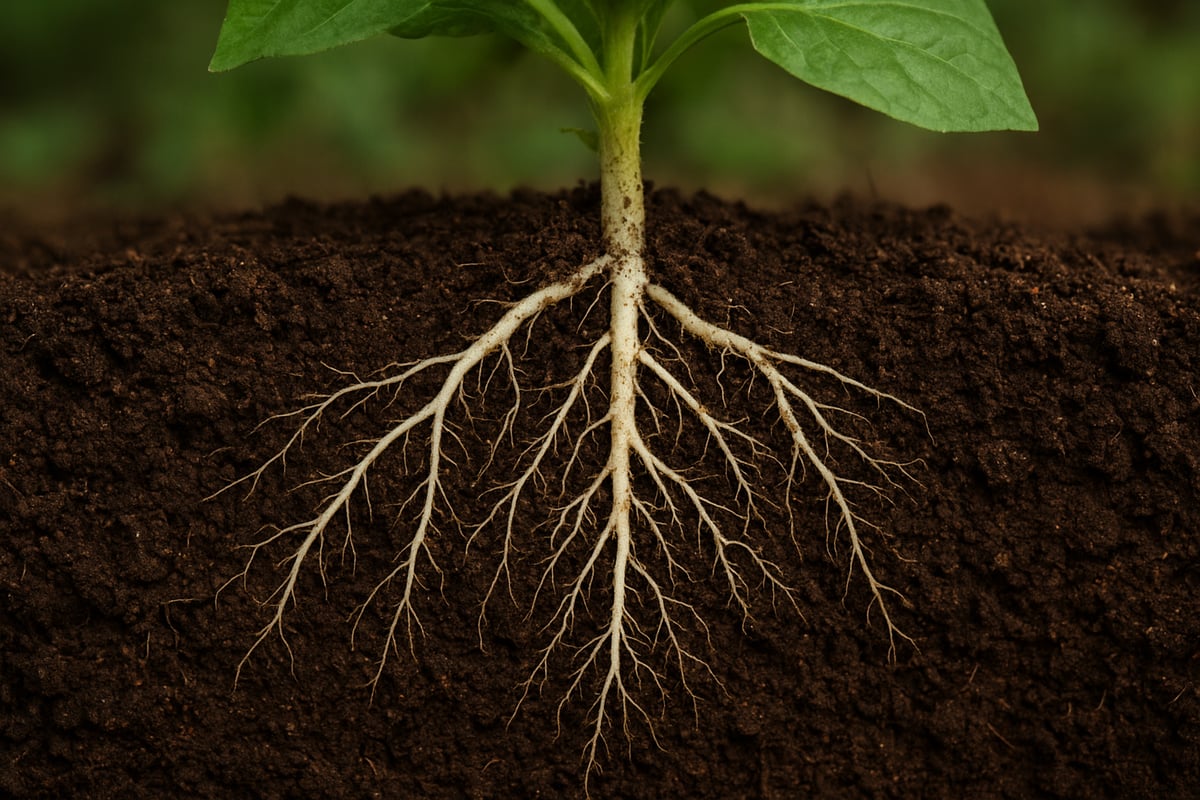
Roots serve as the anchor and lifeline for every plant. Their primary role is to secure the plant in the soil and absorb water and nutrients essential for survival. Healthy roots make plants more resistant to drought by efficiently drawing moisture from deeper layers.
Beyond this, roots help cycle nutrients and form partnerships with beneficial soil microbes. These relationships improve nutrient availability and support strong root health. For example, deep-rooted crops like alfalfa not only access more resources but also enhance soil structure and fertility for future plantings.
In essence, robust root health is the foundation for vigorous growth and higher yields above ground.
Root Anatomy and Function
A closer look at root anatomy reveals its complexity. Roots are composed of a primary root, lateral roots, root hairs, and a protective root cap. Each structure plays a role: primary roots anchor, lateral roots spread for stability, root hairs dramatically boost surface area for absorption, and the root cap shields growing tips.
Root hairs are especially vital, ensuring efficient nutrient and water uptake. Roots also store energy and produce hormones that regulate plant development. Their adaptability, known as root plasticity, allows them to adjust to stress, supporting ongoing root health.
For a visual reference, see this Understanding Root Structure Illustration to better grasp how each part contributes to overall function.
Root System Types and Their Benefits
Plants display two main root system types: taproot and fibrous. Taproots, like those in carrots, extend deep into the soil, making them excellent for accessing water during dry spells. Fibrous roots, common in grasses, spread out near the surface, helping prevent soil erosion and quickly absorb rainfall.
Selecting plants with the right root systems for your environment directly impacts root health. Taprooted species thrive in loose soils, while fibrous systems suit compact or erosion-prone areas.
Matching root system types to site conditions ensures plants establish faster and maintain optimal root health throughout their life cycle.
Key Indicators of Healthy Roots
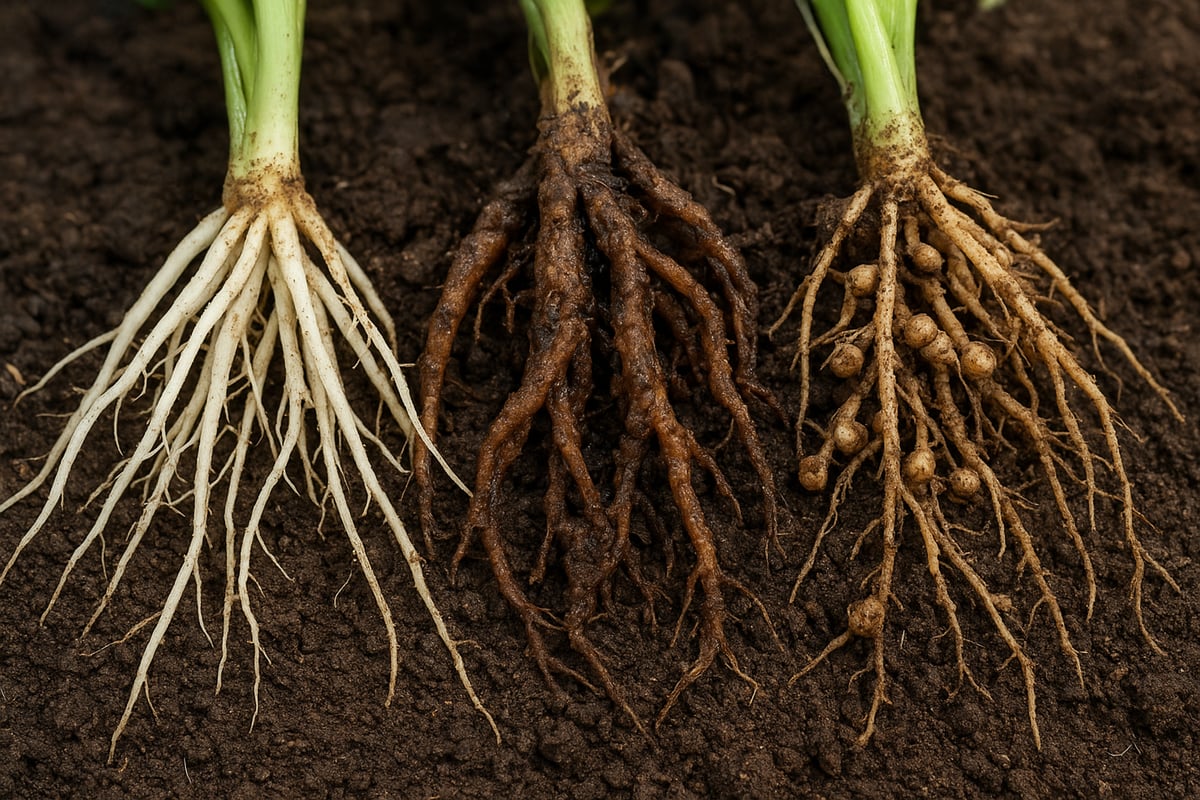
Spotting healthy roots is straightforward with regular checks. Look for roots that are firm, white, and free from foul odors. Brown, mushy, or foul-smelling roots often signal root health issues.
A robust root ball with no circling or girdling shows healthy development. Early signs of stress, like discolored or stunted roots, should prompt immediate attention.
Regular inspection lets you address root health concerns before they impact the entire plant, ensuring strong, productive growth above ground.
Common Root Problems and How to Identify Them
Plant vitality above ground always reflects what is happening below the surface. Recognizing common root problems early is essential to maintaining optimal root health and preventing irreversible damage. In this section, we will explore the main culprits behind declining root systems, from diseases to environmental stressors, and provide clear identification tips.
Root Rot and Fungal Diseases
Root rot is one of the most devastating threats to root health, often caused by overwatering, poor drainage, and aggressive pathogens such as Pythium and Phytophthora. These conditions deprive roots of oxygen, making them vulnerable to infection.
Symptoms to watch for:
- Wilting or yellowing leaves even when soil is moist
- Roots that feel mushy or look brown instead of white
- A foul, unpleasant odor from the roots
Industry estimates indicate that root rot can account for up to 30% of greenhouse crop losses. To protect root health, ensure proper drainage, avoid excessive watering, and inspect plants regularly for early signs of disease.
Root Pests and Nematodes
A wide range of pests target roots, undermining root health and plant growth. Root-feeding insects and nematodes penetrate or feed on roots, causing significant structural damage.
Signs of infestation include:
- Stunted or uneven plant growth
- Swollen areas, knots, or galls on the roots
- Reduced crop yields
For example, root-knot nematodes commonly affect tomatoes, creating visible root knots and stunting. Integrated pest management (IPM) strategies, such as crop rotation, beneficial nematodes, and resistant plant varieties, help control these pests and support overall root health.
Nutrient Deficiencies and Toxicities
Healthy roots are vital for absorbing essential nutrients. When root health is compromised, plants may struggle to take up nitrogen, phosphorus, potassium, or iron, leading to visible deficiencies.
Common symptoms:
- Yellowing leaves (nitrogen or iron deficiency)
- Purpling or browning (phosphorus or potassium deficiency)
- Burned leaf edges or stunted roots (toxicity)
Soil testing is a crucial tool for diagnosing nutrient imbalances and tailoring fertilization to restore root health. Addressing these issues promptly can prevent long-term plant decline and maximize growth potential.
Environmental Stressors Impacting Roots
Environmental factors can severely impact root health. Compacted soil limits root penetration, while drought or flooding leads to root dieback or oxygen deprivation.
Key stressors:
- Soil compaction
- Extended dry or wet periods
- Temperature extremes
A notable case in 2024 saw widespread drought-induced root loss in Midwest crops. To adapt, improve soil structure, adjust watering practices, and monitor temperature. Learning about root phenotypic plasticity can help you understand how roots adapt to environmental challenges, offering more strategies to maintain optimal root health.
Cutting-Edge Diagnostics and Tools for Root Health in 2026
Staying ahead in plant care requires the latest tools for understanding root health. In 2026, technological advancements are making it easier to diagnose and optimize root systems, whether you are a home gardener or a commercial grower.
Modern Soil and Root Testing Methods
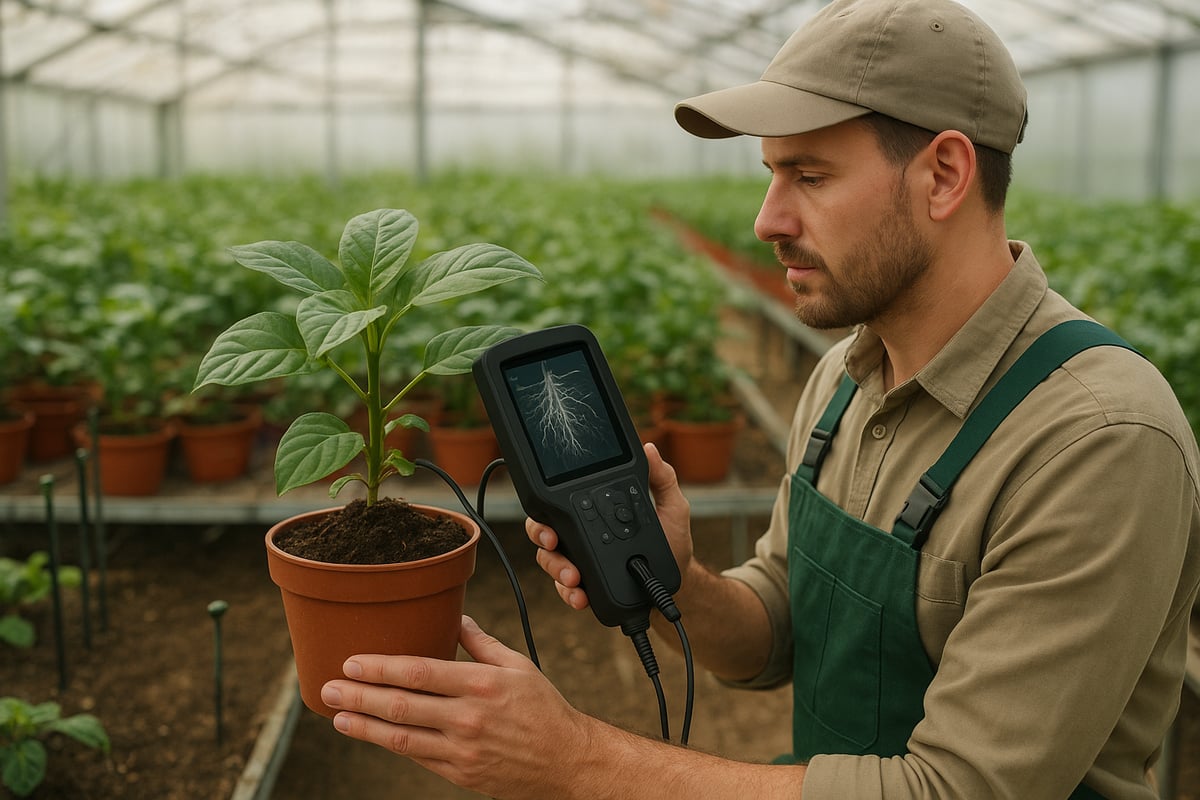
Recent innovations have transformed how we assess root health. Today, growers use advanced soil nutrient and pH testing kits, handheld digital sensors, and even mobile apps for real-time data collection. These tools help identify nutrient imbalances and monitor conditions critical to root health.
One standout technology is digital root imaging, which allows for non-destructive analysis of root systems. For instance, Quantitative 3D analysis of plant roots enables detailed visualization and measurement, supporting more precise interventions. Regular testing empowers proactive care, helping prevent issues before they impact plant growth.
Microbiome Analysis and Beneficial Microbes
Understanding the root-associated microbiome is a cornerstone of root health in modern horticulture. DNA-based testing now provides insights into the diversity and abundance of beneficial microbes within the rhizosphere.
Plants with a healthy, diverse root microbiome consistently show improved nutrient uptake and disease resistance. Studies reveal that increased microbial diversity can boost plant growth rates by up to 20 percent. These tests guide growers in selecting the right soil amendments or microbial inoculants, making it easier to foster optimal root health at every growth stage.
Remote Sensing and AI-Powered Monitoring
Remote sensing and artificial intelligence have revolutionized root health monitoring. Drones now collect high-resolution data on plant vigor, indirectly signaling potential root issues. AI-driven software processes this data to deliver actionable alerts for irrigation, nutrient applications, or disease detection.
For example, a 2025 pilot program in California vineyards successfully identified root stress zones early, enabling targeted interventions. While high-tech, these solutions are becoming more accessible, helping both large-scale producers and home gardeners achieve consistent root health.
DIY Root Health Assessment Techniques
Not every grower needs advanced equipment to monitor root health. Simple at-home methods remain invaluable. Root washing and visual inspection help identify healthy, white roots versus those that are brown, mushy, or foul-smelling.
Using root growth trays for seedlings or performing the “smell test” can provide early warnings of problems. While DIY checks offer practical insights, there are limitations. If persistent issues are found, seeking professional root health diagnostics is recommended to ensure plants reach their full potential.
Soil, Water, and Environmental Factors for Optimal Root Health
Healthy soil, balanced water, and suitable environmental conditions are the foundation for optimal root health. By understanding and managing these key factors, gardeners and growers can create an environment where roots thrive, supporting vigorous plant growth above and below ground.
Soil Structure and Composition
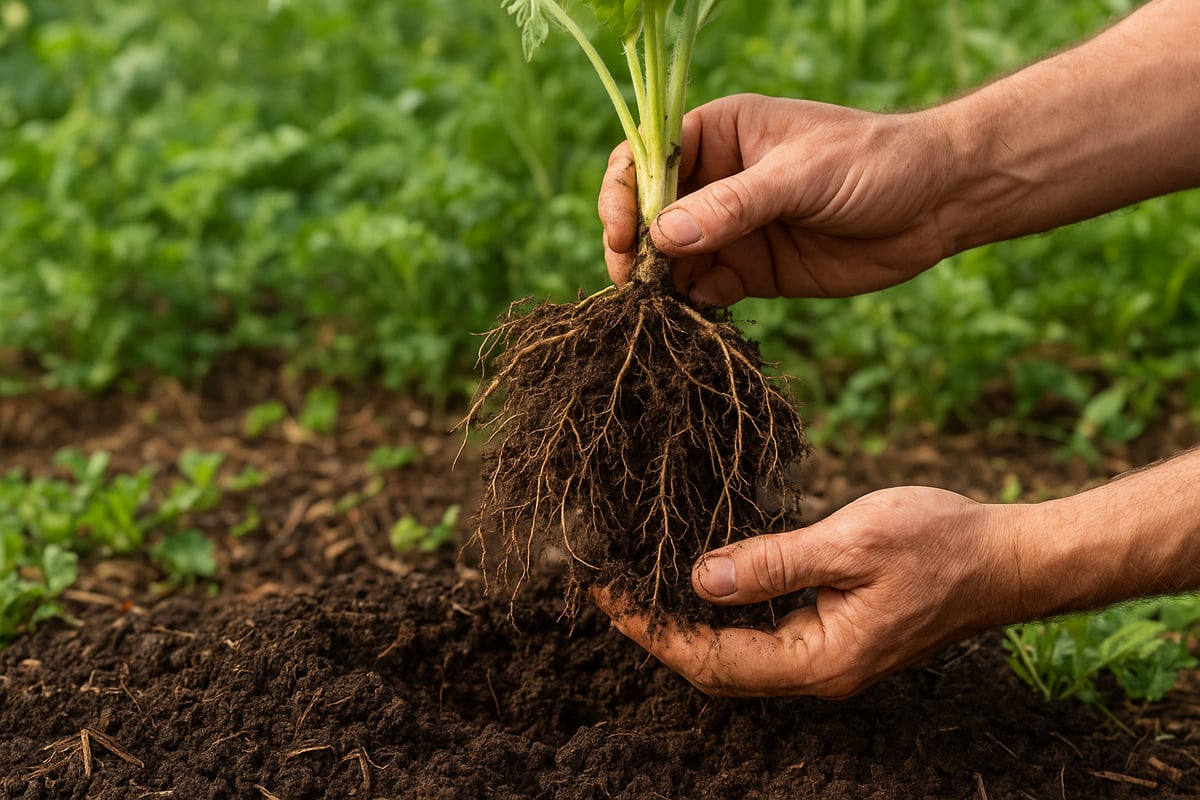
Soil structure directly affects root health by determining how easily roots can penetrate and access nutrients. Ideal soils, such as loam, sandy loam, or clay loam, offer a balance of drainage, aeration, and moisture retention. Adding organic matter like compost or aged manure improves soil texture, boosts nutrient content, and promotes beneficial microbial activity.
For gardeners facing heavy or compacted soils, raised beds and soil amendments can significantly enhance root development. For a deeper dive into soil metrics that support robust root health, see Soil health indicators for orchards. Regularly checking and improving soil structure is a proactive step toward resilient plant roots.
Soil pH and Nutrient Availability
The pH of your soil is a primary driver of root health, influencing nutrient availability and uptake. Most vegetables and flowering plants prefer a pH between 6.0 and 7.0. When soil pH drifts outside this range, key nutrients become inaccessible, resulting in stunted roots or yellowing foliage.
To maintain optimal root health, test soil pH annually. Adjust high pH with sulfur or lower it with lime as needed. According to a recent university extension survey, 40 percent of home gardens have suboptimal pH, emphasizing the importance of regular monitoring. Balanced pH ensures that roots can absorb essential minerals efficiently.
Water Management and Drainage
Consistent, balanced moisture is critical for root health. Too much water leads to oxygen deprivation and root rot, while too little causes roots to dry out and die back. Well-drained soils, achieved through raised beds, perlite, or sand, provide the right environment for roots to grow deeply and access moisture during dry periods.
Smart irrigation systems help gardeners deliver water precisely where and when it is needed, reducing waste and minimizing stress. Signs of improper watering, such as wilting or leaf scorch, signal that root health may be compromised. Adjusting watering routines and improving drainage are essential steps in root care.
Environmental Conditions: Light, Temperature, and Airflow
Above-ground conditions have a direct impact on root health. Most roots perform best when soil temperatures remain between 60 and 75°F. Sudden temperature swings or poor airflow can increase disease risk and inhibit root growth.
To protect roots, use mulch to regulate temperature and retain moisture. Provide shading for sensitive plants during heat waves, and space plants to promote airflow. These strategies support root health by reducing environmental stress and lowering the risk of pathogens.
Organic Matter, Mulches, and Cover Crops
Organic matter is a cornerstone of root health. Compost, worm castings, and biochar enrich the soil, feeding beneficial microbes and improving structure. Mulching around plants helps maintain even soil moisture and temperature, while suppressing weeds that compete with roots.
Cover crops, such as clover, prevent erosion and build soil organic matter over time. Incorporating these practices into your gardening routine encourages a thriving root environment. Healthy roots, supported by organic inputs, are better equipped to withstand stress and fuel vigorous plant growth.
Step-by-Step Root Care Guide: Expert Practices for 2026
Nurturing robust root health is a journey that starts with preparation and continues through every stage of plant care. This step-by-step guide outlines the expert practices you need for thriving plants in 2026, ensuring your efforts support strong, resilient roots from the ground up.
Step 1: Preparing and Amending the Soil
The foundation of root health begins with soil preparation. Always start by testing your soil for pH and nutrients to identify what amendments are needed. Incorporate high quality compost or well aged manure to boost organic matter, which supports microbial life and root development.
- Double dig or use no till methods to reduce compaction.
- Add minerals such as rock phosphate or greensand if tests indicate deficiencies.
- Use raised beds for crops like tomatoes to improve drainage and root penetration.
Healthy soil structure is essential for root health, so prioritize amendments that foster both aeration and nutrient holding capacity.
Step 2: Selecting the Right Plants and Varieties
Choosing the proper plants is a critical factor for root health. Opt for disease resistant and climate adapted cultivars to minimize stress on young roots. Match root system types, taproot or fibrous, to your garden’s soil and moisture conditions for best results.
- Source seedlings from reputable nurseries for vigorous starts.
- Select drought tolerant perennials for areas with limited rainfall.
- Use native varieties where possible, as these often have root systems suited to local soils.
By aligning plant selection with site conditions, you set the stage for enduring root health and overall plant success.
Step 3: Planting Techniques for Strong Root Establishment
Proper planting is key to robust root health. Set plants at the correct depth, ensuring roots are fully covered but not buried too deeply. Gently loosen root balls on transplants to encourage outward growth.
- Avoid planting root bound specimens that may struggle to adapt.
- Water in seedlings immediately to settle soil around roots.
- Consider mycorrhizal inoculants to promote early symbiosis and nutrient uptake.
These techniques help roots establish quickly, laying the groundwork for optimal root health throughout the season.
Step 4: Watering and Fertilizing for Root Growth
Consistent moisture and balanced nutrition are vital for root health. Water deeply but infrequently to encourage roots to grow downward, seeking moisture. Use organic or slow release fertilizers to provide steady nutrients without overwhelming plants.
- Mulch to retain soil moisture and regulate temperature.
- Monitor for signs of overwatering, such as yellowing leaves or mushy roots.
- Consider foliar feeding or soil drenching as needed.
For more targeted strategies, explore Nutrition for Healthy Roots to discover how proper nutrition directly supports optimal root health.
Step 5: Monitoring and Maintaining Root Health
Ongoing observation is essential for root health. Regularly inspect the root zone by gently probing around plants or observing root tips in seedling trays. Look for firm, white roots and avoid circling or girdling patterns.
- Mulch and control weeds to reduce competition for nutrients and water.
- Prune above ground growth to balance root and shoot development.
- Take immediate action if you notice signs of stress, such as wilting or discoloration.
Routine maintenance allows you to catch root health issues early, before they affect overall plant vitality.
Step 6: Diagnosing and Addressing Root Problems
Quick diagnosis can save plants when root health is compromised. Watch for symptoms like stunted growth, wilting, or yellow leaves. Address root rot with improved drainage and, if necessary, fungicidal treatments.
- Use nematode resistant varieties or introduce beneficial nematodes to manage pests.
- Remove and replace severely affected plants to prevent disease spread.
- Consult experts if problems persist or are difficult to identify.
Timely intervention is crucial for restoring and maintaining root health in your garden or crops.
Step 7: Seasonal and Long-Term Root Care Strategies
Root health requires attention throughout the year. Prepare for winter by mulching and insulating root zones. Practice crop rotation and allow fallow periods to prevent soilborne diseases.
- Rejuvenate perennials with root pruning or division every few years.
- Plan for long term health by building organic matter and minimizing soil disturbance.
- Keep detailed notes to track what works best for your unique conditions.
By adopting seasonal and long term strategies, you support root health across plant lifecycles, ensuring productivity and resilience well into the future.
Harnessing the Power of Beneficial Microbes and Root Symbiosis
Unlocking the full potential of root health means embracing the natural partnerships between plants and beneficial microbes. These microscopic allies play a central role in nutrient cycling, disease resistance, and overall vigor. By understanding and leveraging root symbiosis, gardeners and growers can see dramatic improvements in plant growth, resilience, and yields.
Mycorrhizal Fungi: Nature’s Root Enhancers
Mycorrhizal fungi form intricate networks that connect directly with plant roots, expanding the root system’s reach and efficiency. These fungi help plants access water and nutrients, especially phosphorus, that would otherwise remain out of reach. Studies show mycorrhizal-treated plants can have up to 30% greater drought tolerance, making them invaluable for root health in challenging conditions.
To harness these benefits:
- Use commercial mycorrhizal inoculants at planting
- Avoid excessive fertilizer that can hinder fungal growth
- Maintain organic matter in soil for fungi to thrive
Gardeners and farmers alike should prioritize practices that support these natural partnerships for optimal root health.
Nitrogen-Fixing Bacteria and Root Nodulation
Nitrogen-fixing bacteria, such as Rhizobium, form nodules on the roots of legumes including peas, beans, and clover. These bacteria convert atmospheric nitrogen into forms plants can absorb, boosting soil fertility and supporting robust growth. A strong root health program includes inoculating seeds with the appropriate bacteria, especially in soils where legumes have not been grown recently.
Benefits of nitrogen fixation:
- Reduced need for synthetic fertilizers
- Improved plant vigor and yield
- Enhanced soil structure over time
Examples like the soybean-Rhizobium partnership demonstrate how these symbiotic relationships are foundational to root health.
Compost Teas, Biofertilizers, and Probiotics
Applying compost teas and biofertilizers introduces a diverse array of beneficial microbes to the root zone. These products can outcompete harmful pathogens and stimulate plant growth, making them a powerful addition to any root health strategy. In organic vegetable trials, regular compost tea applications have been linked to increased root mass and disease resistance.
Best practices:
- Brew compost tea using quality compost and aeration
- Apply biofertilizers as a soil drench or root dip
- Monitor plant response and adjust frequency as needed
A proactive approach to microbial diversity can help ensure sustained root health and productivity.
Building a Healthy Root Microbiome
A diverse root microbiome is key to resilience against stress and disease. To cultivate a thriving microbial community, avoid overusing chemical inputs that can harm beneficial organisms. Crop rotation and polyculture support microbial diversity, while new testing kits allow gardeners to monitor root health at the microscopic level.
For a holistic approach to root health, consider integrating insights from Chiropractic and Plant Health Insights, which explores foundational wellness strategies that align with nurturing healthy roots.
Regularly assessing and supporting the root microbiome ensures plants remain vigorous and adaptable in changing conditions.
Future Trends in Root Health and Plant Care for 2026 and Beyond
The future of root health is shaped by rapid advances in technology, genetics, and sustainable farming. As we look ahead to 2026 and beyond, growers, gardeners, and researchers are adopting new strategies to ensure robust root systems for stronger, more resilient plants.
Precision Agriculture and Root Health
Precision agriculture is revolutionizing root health management. With the help of big data, IoT, and AI, growers can now monitor root zone conditions in real time. Variable rate irrigation and fertilization systems adjust inputs to match plant needs, reducing waste and optimizing growth.
Pilot programs using root-zone sensors have shown up to 18 percent reductions in fertilizer use while maintaining yields. Remote sensing and digital imaging, such as those used in citrus groves, enable growers to assess root distribution in citrus groves and tailor management for optimal root health. These tools are becoming more accessible, even for home gardeners.
Breeding and Biotechnology Advances
Plant breeding is entering a new era, with a focus on root health traits. Modern techniques, including CRISPR and gene-editing, allow scientists to develop plants with stronger, more disease-resistant roots. For example, nematode-resistant tomato varieties released in 2024 offer new hope for growers facing root pests.
Biotechnology also enables targeted improvement of root system architecture for better nutrient and water uptake. These innovations promise healthier crops and reduced dependency on chemical treatments. As regulatory frameworks evolve, ethical considerations are shaping the adoption of these powerful tools.
Sustainable and Regenerative Practices
Sustainability is driving a renewed focus on root health. Reduced tillage, cover cropping, and organic amendments are central to regenerative agriculture. These practices build soil structure, boost microbial diversity, and enhance root growth.
Regenerative farms report increased root biomass and improved yields, even under challenging conditions. Agroecology and permaculture principles, such as polyculture and minimal disturbance, support resilient root systems. These methods also contribute to climate adaptation and long-term soil health.
Urban Gardening and Controlled Environments
Urban agriculture is transforming how we approach root health in limited spaces. Innovations like hydroponics, aeroponics, and container gardening provide new ways to support healthy roots without traditional soil. LED lighting and climate control ensure roots receive optimal conditions year-round.
Statistics show that urban agriculture now accounts for 15 percent of global food production. Controlled environments allow for precise management of temperature, moisture, and nutrients, promoting vigorous root development and reducing disease risk in city settings.
Education, Community, and Resources for Root Health
Ongoing education is key to advancing root health knowledge. Online courses, workshops, and gardening clubs offer opportunities to learn from experts and share best practices. Extension services provide up-to-date research, diagnostic tools, and expert consultations to growers at every level.
Community science projects are tracking root health trends and fostering collaboration. Access to expert guidance, such as the Comprehensive Health and Wellness Team, empowers individuals to make informed decisions for their plants. As resources continue to expand, everyone can play a role in shaping the future of root health.
As you explore the science-backed tips and practical strategies for thriving root health in 2026, remember that true wellness—whether for your plants or yourself—begins beneath the surface. Just as healthy roots anchor and nourish vibrant growth, a personalized approach to your own health can make all the difference. If you’re ready to address the root cause of your well-being and benefit from advanced diagnostics and tailored care, we’re here to help you flourish. Take the next step toward long-term health and vitality—Schedule Your Appointment Today.