
Chronic pain affects millions of Americans, disrupting daily activities and diminishing quality of life. For residents seeking relief without surgical intervention or heavy medication reliance, non-invasive pain treatment marysville oh offers a comprehensive approach to addressing discomfort at its source. These innovative therapies combine advanced diagnostic protocols with personalized care plans designed to restore function and promote long-term wellness. Understanding the range of available options empowers patients to make informed decisions about their health journey.
Understanding Non-Invasive Pain Management Approaches
Non-invasive pain treatment represents a paradigm shift in how healthcare providers address both acute and chronic pain conditions. Unlike surgical interventions that require incisions or pharmaceutical approaches that may carry dependency risks, these methods work with the body's natural healing mechanisms to reduce discomfort and restore function.
The foundation of effective non-invasive pain treatment marysville oh begins with identifying the underlying cause of pain rather than simply masking symptoms. This diagnostic approach examines biomechanical imbalances, nerve interference, muscle tension patterns, and lifestyle factors that contribute to persistent discomfort. By addressing root causes, patients experience more sustainable relief compared to temporary solutions.
Core Principles of Wellness-Based Pain Care
Modern pain management recognizes that optimal health extends beyond the absence of symptoms. A wellness-based model integrates multiple therapeutic modalities to support the body's innate healing capacity while preventing future episodes of pain.
- Comprehensive assessment protocols that evaluate posture, movement patterns, and spinal alignment
- Personalized treatment plans tailored to individual health goals and pain triggers
- Patient education empowering individuals to participate actively in their recovery
- Preventive strategies that maintain progress and reduce recurrence risk
- Whole-body approach addressing interconnected systems rather than isolated symptoms
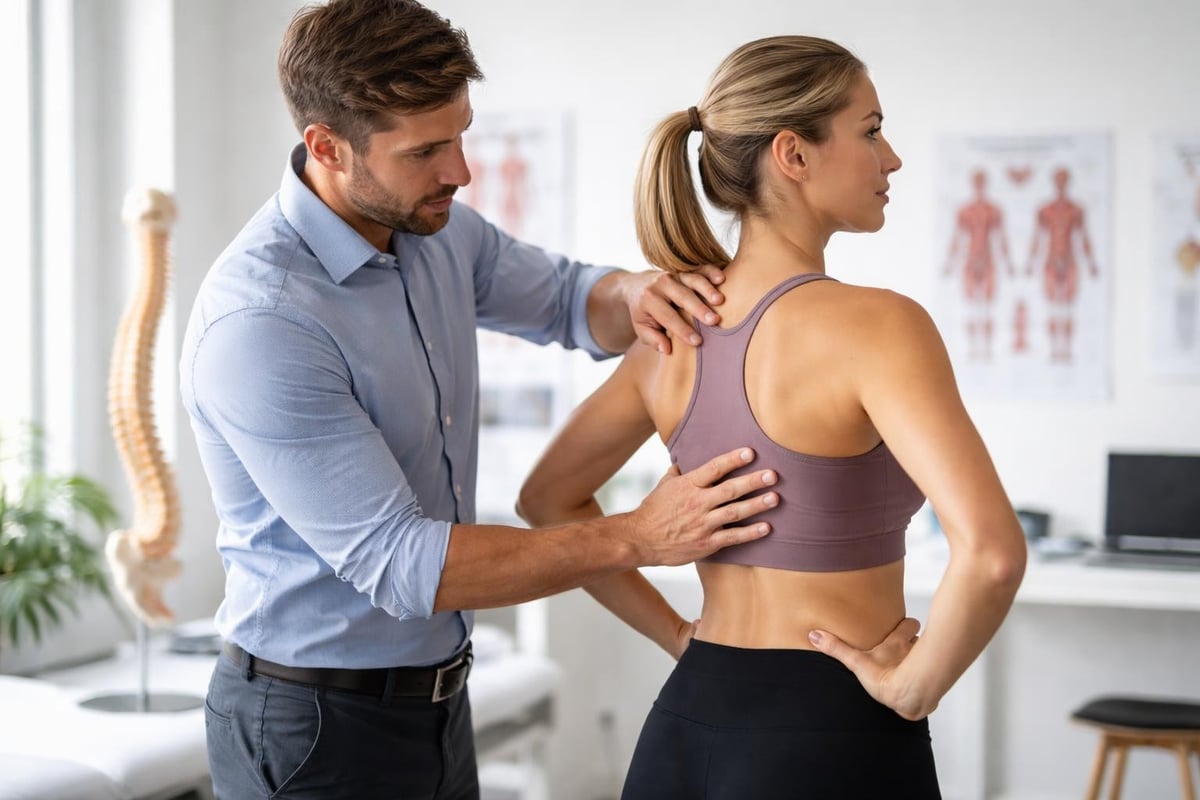
Research continues to validate the effectiveness of multimodal approaches that combine various non-invasive pain treatment options for managing chronic conditions. These evidence-based protocols demonstrate superior outcomes when implemented systematically under professional guidance.
Chiropractic Care as a Foundation for Pain Relief
Chiropractic adjustments represent one of the most widely recognized forms of non-invasive pain treatment marysville oh residents can access for spinal-related discomfort. This hands-on approach corrects misalignments in the vertebral column that may compress nerves, restrict movement, and generate pain signals throughout the body.
The relationship between spinal health and overall wellness cannot be overstated. When vertebrae shift out of proper position, they create interference in the nervous system's ability to coordinate bodily functions effectively. Gentle adjustments restore proper alignment, relieving pressure on surrounding tissues and improving communication between the brain and body.
Conditions Responsive to Chiropractic Intervention
| Condition Type | Common Symptoms | Treatment Focus |
|---|---|---|
| Lower Back Pain | Stiffness, muscle spasms, reduced mobility | Lumbar alignment, core strengthening |
| Neck Pain | Tension headaches, limited range of motion | Cervical adjustments, posture correction |
| Sciatica | Radiating leg pain, numbness, tingling | Nerve decompression, hip alignment |
| Joint Dysfunction | Clicking sounds, pain with movement | Extremity adjustments, mobility restoration |
Patients typically notice improvements in pain levels, flexibility, and overall function within the first few weeks of consistent care. The team at our practice utilizes advanced diagnostic tools to monitor progress and adjust treatment protocols as healing occurs.
Complementary Therapeutic Modalities
Beyond spinal adjustments, comprehensive non-invasive pain treatment marysville oh programs incorporate multiple therapeutic techniques that work synergistically to accelerate healing and provide sustained relief.
Electrical Nerve Stimulation Technologies
Transcutaneous electrical nerve stimulation delivers controlled electrical impulses through the skin to interrupt pain signals before they reach the brain. This technique proves particularly effective for managing chronic pain conditions that have not responded adequately to other conservative approaches.
The mechanism works by stimulating sensory nerves to produce natural pain-relieving chemicals while simultaneously blocking pain transmission pathways. Patients can use these devices both in clinical settings and at home as part of their ongoing management strategy.
Additional electrical modalities include:
- Interferential current therapy that penetrates deeper tissues for muscle relaxation
- Microcurrent therapy promoting cellular repair at the tissue level
- Electroanalgesia techniques that modify pain perception
- Neurostimulation approaches targeting specific nerve pathways
Soft Tissue Therapies
Muscle tension, adhesions, and trigger points frequently contribute to chronic pain patterns. Manual soft tissue techniques address these components through targeted pressure and stretching protocols.
Therapeutic massage increases circulation to affected areas, delivering oxygen and nutrients essential for tissue repair. It also helps flush metabolic waste products that accumulate in chronically tense muscles. When combined with chiropractic adjustments, soft tissue work enhances treatment outcomes significantly.
Rehabilitative Exercise and Movement Therapy
Strengthening weakened muscles and restoring proper movement patterns forms a critical component of non-invasive pain treatment marysville oh protocols. Therapeutic exercises rebuild the supporting structures around painful areas, preventing future injuries while accelerating current recovery.

A structured rehabilitation program progresses through distinct phases:
Phase One: Pain Reduction and Protection
During acute pain episodes, gentle range-of-motion exercises maintain joint health without aggravating inflamed tissues. Ice therapy, rest positioning, and controlled movements prevent compensatory patterns that could create additional problems.
Phase Two: Strength and Stability Building
As pain subsides, progressive resistance training rebuilds muscle strength around affected joints. Core stabilization exercises prove especially valuable for spinal pain conditions, creating a natural support system that reduces stress on healing structures.
Phase Three: Functional Restoration
Advanced exercises mimic real-world activities, preparing patients to return to work, sports, and daily tasks without fear of re-injury. Balance training, coordination drills, and task-specific movements build confidence while solidifying gains.
Phase Four: Maintenance and Prevention
Long-term exercise programs maintain improvements achieved through treatment. These ongoing routines become lifestyle habits that protect against future pain episodes.
Lifestyle Modifications and Ergonomic Optimization
Sustainable pain relief extends beyond clinical treatments to encompass daily habits and environmental factors. The most effective non-invasive pain treatment marysville oh programs include education on workplace ergonomics, sleep positioning, stress management, and nutritional support.
Workplace and Home Environment Adjustments
| Environment Factor | Pain Impact | Recommended Modifications |
|---|---|---|
| Desk Height | Neck and shoulder strain | Monitor at eye level, adjustable chair |
| Sitting Duration | Lower back compression | Standing desk option, hourly movement breaks |
| Sleep Surface | Spinal misalignment | Supportive mattress, proper pillow height |
| Footwear | Postural compensations | Arch support, cushioned soles |
| Lifting Techniques | Acute injury risk | Proper body mechanics, assistance for heavy items |
Patients who implement these environmental changes alongside their treatment protocols experience faster recovery and lower recurrence rates. Small adjustments compound over time, creating significant improvements in overall comfort and function.
Nutritional Support for Pain Management
Inflammation plays a central role in many chronic pain conditions. Dietary choices either fuel inflammatory processes or support the body's natural anti-inflammatory mechanisms. A wellness-focused approach to non-invasive pain treatment marysville oh includes guidance on nutritional strategies that complement physical therapies.
Foods rich in omega-3 fatty acids, antioxidants, and anti-inflammatory compounds help reduce systemic inflammation. Adequate hydration supports disc health and nutrient delivery to healing tissues. Avoiding inflammatory triggers like excessive sugar, processed foods, and certain oils creates an internal environment conducive to healing.
Advanced Diagnostic Technologies
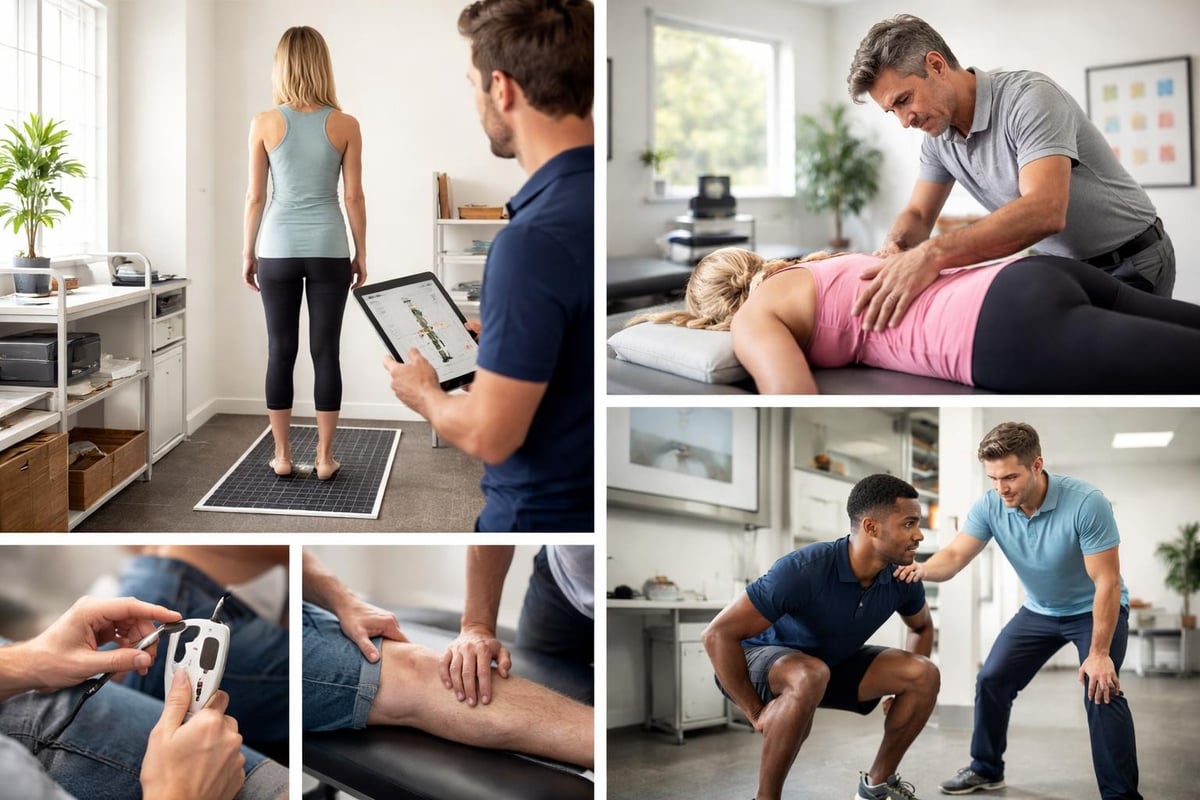
Precision in treatment requires accuracy in diagnosis. Modern chiropractic practices utilize sophisticated assessment tools that identify subtle dysfunctions contributing to pain patterns. These technologies enable providers to develop highly targeted treatment strategies.
Digital posture analysis reveals biomechanical imbalances that traditional examination might miss. Computerized range-of-motion assessments quantify movement restrictions, providing objective data to track progress throughout care. Neurological scanning detects areas of nerve interference, guiding adjustment specificity.
The U.S. Pain Foundation emphasizes the importance of comprehensive evaluation in developing effective treatment plans. This thorough approach ensures that all contributing factors receive appropriate attention.
Integrating Multiple Modalities for Optimal Outcomes
Single-modality approaches rarely achieve the comprehensive results patients desire for complex pain conditions. The most successful non-invasive pain treatment marysville oh programs strategically combine multiple therapeutic techniques in carefully sequenced protocols.
A typical treatment plan might include:
- Initial Phase: Spinal adjustments three times weekly, electrical stimulation, ice therapy
- Progressive Phase: Adjustments twice weekly, soft tissue work, beginning rehabilitative exercises
- Strengthening Phase: Weekly adjustments, advanced exercise progression, ergonomic training
- Maintenance Phase: Monthly wellness visits, home exercise program, lifestyle optimization
This phased approach allows the body to heal progressively while building resilience against future pain episodes. Regular reassessment ensures treatments evolve with changing patient needs.
Patient Participation and Accountability
Successful outcomes require active patient engagement beyond clinical visits. Home exercise compliance, lifestyle modification implementation, and attendance consistency directly correlate with treatment effectiveness. Providers who foster collaborative relationships and educate patients about their conditions achieve superior results.
Understanding the "why" behind each recommendation increases adherence rates significantly. When patients comprehend how specific exercises strengthen supporting muscles or how posture affects spinal loading, they become motivated participants in their own healing journey.
Addressing Specific Pain Conditions Without Surgery
Different pain presentations require tailored approaches within the non-invasive treatment framework. While fundamental principles remain consistent, application varies based on pain location, duration, and underlying pathology.
Chronic Headache and Migraine Management
Cervical spine dysfunction frequently contributes to recurring headaches. Tension in neck muscles, vertebral misalignments, and trigger points create pain patterns that radiate into the head. Gentle adjustments to the upper cervical region, combined with muscle release techniques, provide significant relief for many headache sufferers.
Stress management strategies and identification of dietary triggers complement physical treatments. Patients learn to recognize early warning signs and implement preventive measures before full migraine episodes develop.
Shoulder Pain and Rotator Cuff Issues
Shoulder dysfunction often stems from poor posture, repetitive motions, or compensatory patterns following other injuries. Non-invasive approaches address biomechanical factors through joint mobilization, strengthening exercises for rotator cuff muscles, and correction of movement patterns that stress the shoulder complex.
Knee Pain and Degenerative Joint Conditions
While advanced arthritis may eventually require surgical intervention, many patients with knee pain benefit substantially from conservative care. Improving hip and ankle alignment reduces abnormal stress on knee joints. Strengthening quadriceps and hamstring muscles provides better support, while gait analysis identifies walking patterns that accelerate degeneration.
Long-Term Wellness and Prevention Strategies
The ultimate goal of non-invasive pain treatment marysville oh extends beyond symptom resolution to establishing sustainable wellness practices. Patients who complete active treatment phases transition to maintenance care that preserves their gains and prevents regression.
Regular wellness check-ups identify minor dysfunctions before they develop into painful conditions. These preventive visits prove far more cost-effective than crisis-driven care while maintaining optimal function throughout life. Many patients report improved energy levels, better sleep quality, and enhanced overall well-being beyond pain relief alone.
Establishing healthy habits during treatment creates a foundation for lifelong wellness. Exercise routines become enjoyable activities rather than therapeutic obligations. Nutritional improvements enhance energy and mood. Stress management techniques provide tools for navigating life's challenges without physical manifestation as pain.
Choosing the Right Provider for Your Pain Management Needs
Selecting a qualified practitioner significantly impacts treatment outcomes. When evaluating options for non-invasive pain treatment marysville oh, consider factors beyond geographic convenience.
Look for providers who:
- Conduct thorough initial examinations before recommending treatment
- Explain diagnoses and treatment rationales clearly
- Develop personalized care plans rather than one-size-fits-all protocols
- Utilize multiple therapeutic modalities appropriately
- Set realistic expectations and track progress objectively
- Prioritize patient education and empowerment
- Maintain current knowledge through continuing education
Professional credentials, patient testimonials, and communication style all contribute to the therapeutic relationship's quality. The experienced practitioners who genuinely invest in patient success create environments where healing flourishes.
What to Expect During Your First Visit
Initial consultations typically include comprehensive health history review, physical examination, postural assessment, and neurological testing. Providers ask detailed questions about pain characteristics, aggravating factors, previous treatments, and health goals. This information guides diagnosis and treatment planning.
Many patients receive treatment during their first visit after examination. Others may require diagnostic imaging or additional testing before beginning care. Transparency about findings, prognosis, and recommended treatment frequency establishes trust and sets the stage for successful collaboration.
Insurance Coverage and Treatment Accessibility
Financial considerations influence healthcare decisions for most families. Many insurance plans provide coverage for chiropractic care and related non-invasive therapies, though specific benefits vary by policy. Understanding coverage details before beginning treatment prevents unexpected expenses.
Flexible payment options and treatment packages make care accessible to patients with varying insurance situations. The value proposition of non-invasive approaches becomes clear when comparing costs to surgical interventions, ongoing medication expenses, and lost productivity from unmanaged pain.
Investing in conservative care often prevents more expensive interventions later. Early intervention for new injuries or pain episodes typically requires fewer visits than addressing chronic conditions that have progressed over years of neglect.
Non-invasive pain treatment offers effective, evidence-based solutions for individuals suffering from acute or chronic discomfort without resorting to surgery or heavy medication reliance. By addressing root causes through comprehensive assessment and personalized protocols, patients achieve sustainable relief while improving overall health and function. Ignite Chiropractic and Wellness provides advanced diagnostic capabilities, specialized treatments, and wellness-focused care plans tailored to your unique needs. Our commitment to empowering patients through exceptional chiropractic care helps you live life to the fullest. Schedule your consultation today to begin your journey toward lasting pain relief and optimal wellness.