
Discover how the life of chiropractic is transforming health and wellness in 2026. As more people seek holistic, drug-free solutions, chiropractic care is taking center stage in mainstream healthcare.
This profession stands out for its patient-centered philosophy, rigorous education, and hands-on clinical practice. Those who pursue the life of chiropractic often find personal fulfillment and professional growth, making a meaningful difference in the lives of others.
Are you curious about what it takes to thrive in this dynamic field? This comprehensive guide explores every facet of the life of chiropractic, from education and clinical experience to career opportunities and emerging trends.
Get ready to uncover the journey, challenges, and rewards of chiropractic, with practical insights for students, professionals, and anyone considering this impactful path.
The Path to Becoming a Chiropractor in 2026
The journey into the life of chiropractic begins with a strong educational foundation, rigorous clinical training, and a commitment to lifelong learning. As the profession grows in 2026, aspiring chiropractors must navigate a comprehensive pathway that prepares them for success in a dynamic healthcare landscape.

Educational Requirements and Accreditation
Becoming part of the life of chiropractic requires earning a Doctor of Chiropractic (D.C.) degree, the gold standard for entry into the profession. Accredited programs, overseen by the Council on Chiropractic Education (CCE), ensure quality and consistency in training.
Students typically need undergraduate coursework in biology, chemistry, and physics before applying. Attending a CCE-accredited institution is crucial for licensure and professional credibility, as it guarantees that graduates meet national and state standards. For example, Life University offers a 14-quarter program that blends foundational sciences with practical skills, boasting a 95% first-year retention rate.
Accredited chiropractic degrees are widely recognized, allowing graduates to practice in various regions worldwide. For a detailed overview of requirements and accreditation, visit the Chiropractic Education Requirements page.
The Chiropractic Curriculum: Structure and Focus
The life of chiropractic education is structured to foster both scientific knowledge and clinical skill. The curriculum typically unfolds in three phases:
- Foundational sciences (anatomy, physiology, pathology)
- Technique mastery (Full Spine, Gonstead, Cox Flexion-Distraction)
- Clinical experience
Early hands-on training is emphasized through palpation labs, radiology, and detailed case analysis. Small-group instruction and immersive labs provide personalized feedback, helping students develop confidence and precision.
Chiropractic philosophy, along with evidence-informed practice, is woven throughout the curriculum. Programs adapt regularly to reflect new healthcare trends, ensuring graduates are prepared for the profession’s evolving demands.
Clinical Experience and Real-World Training
A defining aspect of the life of chiropractic is immersive clinical experience. Supervised rotations and externships are essential, allowing students to apply classroom learning to patient care. Life University’s PEAK Program partners with over 100 clinics across the country, giving students opportunities to work in diverse settings.
Direct patient care is guided by experienced faculty, while simulation tools like the Palpation Adjustment Trainer (PAT) build technical proficiency. Students gain exposure to specialized areas such as pediatrics, sports, and prenatal care, ensuring readiness for varied real-world scenarios.
Clinical readiness distinguishes top chiropractic programs, equipping graduates to deliver high-quality care from day one.
Licensing and Continuing Education
The life of chiropractic extends beyond graduation, as practitioners must secure and maintain licensure. Passing national and state board exams is required for entry into practice. Continuing education is also essential, ensuring chiropractors remain current with evolving techniques, technologies, and ethical standards.
Ongoing learning supports professional growth, with many alumni advancing as educators and researchers. Shifting regulations and innovations in healthcare make adaptability a key trait for success in chiropractic practice.
Commitment to lifelong learning defines the most respected professionals in the field.
Financial Considerations and Support
Pursuing the life of chiropractic involves significant financial planning. Tuition and associated costs vary by institution, but many schools offer robust financial aid, scholarships, and student support services. These resources help manage the investment needed for training.
High retention and graduation rates, along with strong career services, enhance the value of this investment. Dedicated advisors guide students through job placement and career development, increasing the likelihood of professional success. Life University, for instance, offers comprehensive financial aid resources tailored to chiropractic students.
Ultimately, the return on investment is reflected in the diverse career opportunities and long-term impact that define the chiropractic profession.
The Daily Life of a Chiropractor: From Classroom to Clinic
The life of chiropractic blends academic rigor, hands-on training, and deep patient connections. From the first day in the classroom to the final patient interaction, each step shapes a chiropractor’s expertise and compassion. Aspiring professionals experience a dynamic journey filled with growth, challenge, and fulfillment.

A Typical Day in Chiropractic Education
A typical day in the life of chiropractic education is a blend of focused classroom learning, interactive labs, and early clinical observation. Students begin their mornings with foundational science lectures, followed by immersive, small-group labs where they practice palpation and adjustment techniques.
Peer collaboration and mentorship from experienced faculty are central. In these settings, students discuss real cases, observe demonstrations, and develop clinical reasoning skills. At Life University, for example, the curriculum emphasizes theory integration with hands-on application, ensuring every student builds a strong foundation for future clinical excellence.
The life of chiropractic education is about creating confident, skilled healers ready for patient care.
Transitioning to Clinical Practice
Transitioning from the classroom to clinical practice is a pivotal stage in the life of chiropractic. Students progress from observing patient interactions to performing supervised adjustments and diagnostic evaluations.
Communication becomes key, as they learn to educate patients and develop individualized care plans. Through programs like Life University’s PEAK Program, advanced students participate in externships, managing real-world patient needs under expert guidance. These experiences offer exposure to diverse cases, from pediatric care to sports injuries.
Each hands-on encounter helps students build confidence, independence, and the ability to adapt to the varied demands of the life of chiropractic practice.
Work-Life Balance and Community Engagement
Maintaining work-life balance is essential in the life of chiropractic, given the rigorous academic schedule and clinical responsibilities. Students and practitioners prioritize self-care, participate in campus wellness initiatives, and engage in athletic or leadership activities.
Building professional networks and lifelong friendships is encouraged through campus events and community outreach. Life University’s vibrant environment supports purpose-driven engagement, allowing students to contribute to health education events and public wellness campaigns.
Such involvement not only enriches the life of chiropractic students but also fosters a sense of belonging and service within the broader community.
Career Development and Mentorship
Career development is a continuous process in the life of chiropractic. Access to career services, job placement support, and mentorship from experienced chiropractors guides students toward their professional goals.
Opportunities abound for involvement in research, teaching, and professional organizations. Preparation for private practice or specialized roles is enhanced by alumni success stories and strong mentorship networks. Many Meet Our Chiropractic Team members exemplify these career paths, having thrived as private practitioners, educators, and leaders.
With a focus on impact and purpose, the life of chiropractic offers a career that grows with each new experience.
Challenges and Rewards of the Chiropractic Journey
The life of chiropractic is not without its challenges. Students face demanding coursework, clinical skill mastery, and the pressures of time management. Financial considerations, such as managing student debt and early career earnings, require practical strategies.
Yet, the rewards are profound. Transforming patients’ lives, achieving professional autonomy, and earning community respect bring lasting satisfaction. Alumni often share testimonials about the emotional fulfillment and long-term benefits of the profession.
Overcoming obstacles is part of the journey, and with resilience and support, the life of chiropractic becomes a path of personal and professional growth.
The Chiropractic Profession in 2026: Opportunities and Trends
Chiropractic is evolving rapidly, reshaping the landscape for both practitioners and patients. The life of chiropractic in 2026 is marked by new opportunities, advanced technologies, and a stronger focus on holistic, inclusive care. Let us explore the key trends that are defining this dynamic profession.

Expanding Roles and Specializations
The life of chiropractic is expanding beyond traditional boundaries. Chiropractors now work in integrative healthcare settings alongside physicians, physical therapists, and nutritionists. New specialties such as sports chiropractic, pediatric care, and prenatal services are in high demand.
Graduates find opportunities in research, education, and global health. The profession is seeing increased diversity, with practitioners representing various backgrounds and cultures. This expansion allows chiropractors to contribute to patient care in multidisciplinary teams, making a greater impact across communities.
Technological Advancements in Chiropractic Care
Technology is transforming the life of chiropractic. Advanced diagnostic tools, such as digital X-rays and Anatomage Tables, are now standard in many clinics. Simulation devices like the Palpation Adjustment Trainer (PAT) help students master techniques safely.
Telehealth platforms enable chiropractors to reach patients remotely, improving access to care. Electronic health records streamline practice management and enhance patient outcomes. These innovations prepare future professionals for a tech-driven healthcare environment, ensuring they remain at the forefront of patient care.
The Wellness-Based Model: Holistic Patient Care
In 2026, the life of chiropractic centers on a holistic, wellness-based approach. Chiropractors move beyond symptom relief to address root causes, focusing on lifestyle, nutrition, and preventive strategies. Patient education and empowerment are at the heart of this model.
Integrative care settings, such as Life Chiropractic Centers and NeuroLIFE Institute, illustrate how collaborative teams promote long-term vitality. With rising patient demand for drug-free, natural solutions, chiropractors are uniquely positioned to support lifelong health and wellness.
Diversity, Equity, and Inclusion in Chiropractic
Diversity is shaping the life of chiropractic, making care more accessible and culturally competent. Institutions like Life University lead the way, being recognized as the most diverse college in Georgia. Scholarships and outreach initiatives attract students from underrepresented groups.
Inclusive campus environments and ongoing support systems foster professional growth. This commitment to equity enhances patient outcomes and strengthens the profession. As the patient population changes, culturally aware care becomes essential for success.
Career Outlook and Earning Potential
The future is bright for those pursuing the life of chiropractic. Job growth is projected to remain strong, with varied opportunities in private practice, group clinics, academia, and rural healthcare. Geographic trends show increasing demand in underserved regions.
Income potential varies, but many chiropractors achieve financial stability and career satisfaction. Practice ownership and adaptability open doors to diverse roles. For the latest data on employment trends, salary, and job outlook, see the Chiropractor Occupational Outlook. Lifelong learning and flexibility are key to thriving in this ever-evolving field.
Inside Leading Chiropractic Programs: Life University as a Model
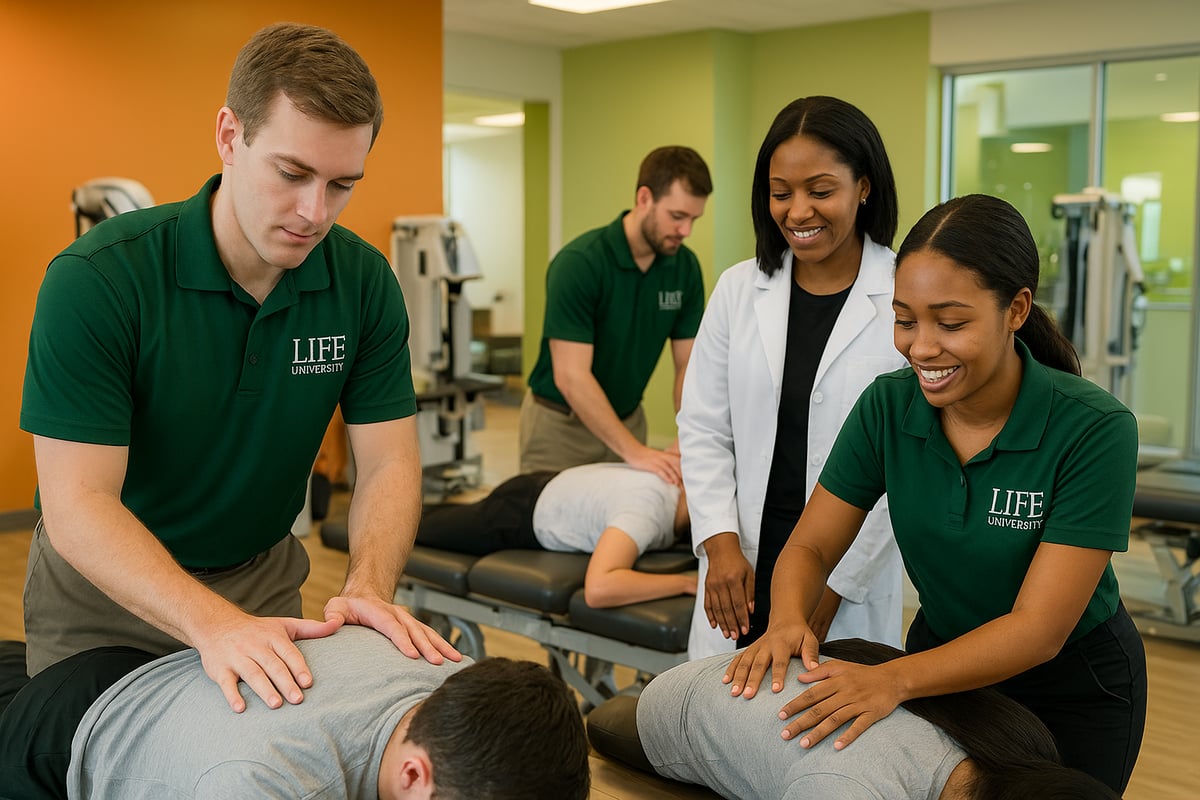
Life University stands as a beacon in the life of chiropractic, recognized as the largest chiropractic college in the world. Its 14-quarter, full-time Doctor of Chiropractic program is built on a vitalistic philosophy, emphasizing the body's inherent ability to heal. Students benefit from a curriculum blending foundational sciences with early hands-on training, ensuring both academic excellence and real-world readiness. Accreditation by the Council on Chiropractic Education, detailed in the Council on Chiropractic Education Standards, assures students of high-quality education and professional credibility. Life University’s high retention and graduation rates reflect the supportive, purpose-driven campus culture that shapes the future of the life of chiropractic.
Program Overview and Unique Features
At the core of Life University’s approach to the life of chiropractic is its comprehensive curriculum, combining rigorous academic study with immediate skills application. The program’s 14-quarter structure immerses students in foundational sciences, chiropractic philosophy, and evidence-informed practice from the outset.
Emphasizing early hands-on learning, students participate in small-group labs and immersive workshops. Life University's global reputation is underpinned by its high first-year retention rates, a testament to the institution’s community and commitment to student success. Accreditation by the Council on Chiropractic Education ensures graduates are equipped for licensure and respected globally, aligning their educational journey with the highest standards in the life of chiropractic.
Clinical Training and Experiential Learning
Clinical experience is essential in the life of chiropractic, and Life University excels in providing real-world training. Students begin with on-campus clinics, treating patients under the guidance of experienced faculty. The PEAK Clinical Program expands opportunities, placing advanced students in over 100 affiliate clinics nationwide for externships.
Simulation tools, such as the Palpation Adjustment Trainer and Anatomage Tables, foster mastery of diagnostic and adjustment techniques. Clinical experiences are customizable, allowing students to explore specialties that match their interests and career goals. This practical approach ensures every graduate is clinically ready and confident, prepared to serve diverse communities within the life of chiropractic.
Community, Leadership, and Student Life
Student life at Life University is vibrant and purpose-driven, reflecting the holistic spirit of the life of chiropractic. Leadership opportunities abound through student organizations, community outreach, and campus initiatives. Wellness is woven into daily routines, with athletic programs and health-focused events supporting personal growth.
Comprehensive student support services, including academic advising, mental health resources, and disability accommodations, foster a nurturing environment. Signature events like Life Leadership Weekend and Eagle Madness help students build strong professional networks and lifelong friendships. This supportive atmosphere empowers each individual to thrive, both personally and professionally, in the life of chiropractic.
Career Preparation and Alumni Success
Life University’s dedication to career development is a cornerstone of the life of chiropractic for its graduates. The university offers robust career services, job placement assistance, and mentorship from a vast alumni network. Preparation extends beyond clinical practice, equipping students for roles in private practice, research, education, and global health missions.
Alumni have gone on to become respected practitioners, educators, and leaders in the field. For insights into diverse professional journeys, About Our Marysville Chiropractors highlights various paths within chiropractic care. Ongoing professional development and lifelong learning are emphasized, ensuring graduates continue to impact the dynamic landscape of the life of chiropractic well into the future.
The Future of Chiropractic: Vision and Insights for 2026 and Beyond
The future of the life of chiropractic is shaped by evolving patient needs, innovative research, and changing healthcare landscapes. As we approach 2026, chiropractors are positioned to play a pivotal role in holistic health, preventive care, and wellness. This section explores the integration of chiropractic into mainstream healthcare, advances in education and research, public health contributions, and the skills required for a fulfilling future in this dynamic field.
Evolving Patient Expectations and Healthcare Integration
Patients in 2026 increasingly seek personalized, holistic, and preventive care, driving the evolution of the life of chiropractic. Chiropractic is now more integrated with mainstream healthcare, with practitioners collaborating alongside medical doctors, physical therapists, and wellness experts. This partnership enhances patient outcomes and satisfaction, as data consistently shows improved recovery rates with coordinated care.
Chiropractors are recognized for their expertise in musculoskeletal health, contributing to multidisciplinary teams in hospitals and clinics. As highlighted in the Chiropractic Services Market Report, the profession's growth reflects this broader acceptance and integration into the healthcare system.
Patient-centered communication is central, ensuring individuals feel heard and empowered throughout their care journey.
Innovations in Chiropractic Research and Education
Advances in research and education are transforming the life of chiropractic, with a focus on evidence-based practice and measurable outcomes. Chiropractic programs now emphasize critical thinking, integrating the latest research findings into clinical training and curriculum design.
Academic institutions promote postdoctoral fellowships, interprofessional collaboration, and faculty-led research initiatives. This commitment to innovation strengthens public trust and enhances the credibility of chiropractic as a healthcare discipline.
Graduates are equipped with advanced diagnostic skills, proficiency in digital health tools, and experience with simulation technology. These developments position chiropractors at the forefront of modern, patient-focused care.
Addressing Public Health Challenges
The life of chiropractic is deeply connected to addressing major public health concerns, including opioid dependency, healthy aging, and lifestyle-related musculoskeletal disorders. Chiropractors offer drug-free, non-invasive solutions that promote mobility, function, and holistic wellness.
Preventive care and community outreach programs are increasingly common, with practitioners leading education initiatives and wellness screenings. A strong emphasis on nutrition, exercise, and lifestyle counseling is integral, as seen in resources like Chiropractic and Nutrition Insights.
By focusing on root-cause solutions and patient empowerment, chiropractors contribute to cost-effective, positive health outcomes across diverse populations.
Preparing for a Dynamic and Impactful Career
Success in the future life of chiropractic requires adaptability, continuous learning, and leadership. Professionals must embrace new technologies, care models, and evolving patient expectations.
Key skills for the next generation of chiropractors include:
- Resilience and flexibility
- Strong communication and patient education abilities
- Cultural competence and global awareness
- Willingness to participate in mission-based or international practice
Alumni stories from leading programs illustrate the broad impact chiropractors now make, from private practice to global health initiatives. The vision for 2026 emphasizes lifelong growth, innovation, and meaningful contribution to community wellness.
If you’re inspired by how chiropractic care is transforming health and wellness in 2026 and want to experience a patient-centered, holistic approach firsthand, we’re here to help you take the next step. Our team is committed to understanding your unique needs and developing a personalized care plan that empowers you to achieve lasting vitality. By addressing the root cause of your health concerns and focusing on your overall well-being, we strive to support you in living your best life. Ready to begin your journey toward optimal health? Schedule Today!