
Are you ready to transform your approach to life and wellness in 2026? As the world shifts toward holistic balance, now is the time to rethink how you care for your body, mind, and relationships.
This guide offers a proven pathway to achieving and sustaining balance across all areas of life and wellness. Drawing from the latest research and real-world success stories, you will find actionable strategies for physical, mental, emotional, and social health.
Explore the core pillars of wellness, discover daily habits for lasting change, and learn about emerging trends shaping the future. With practical steps and community support, you can future-proof your well-being and thrive in the years ahead.
The Foundations of Life and Wellness in 2026
In 2026, life and wellness are being redefined by a holistic, evidence-based approach that extends far beyond traditional views of health. Individuals and communities are now seeking balance across physical, mental, emotional, and social domains. This shift is not just a trend, but a response to growing research and societal needs.
Defining Wellness: Beyond Physical Health
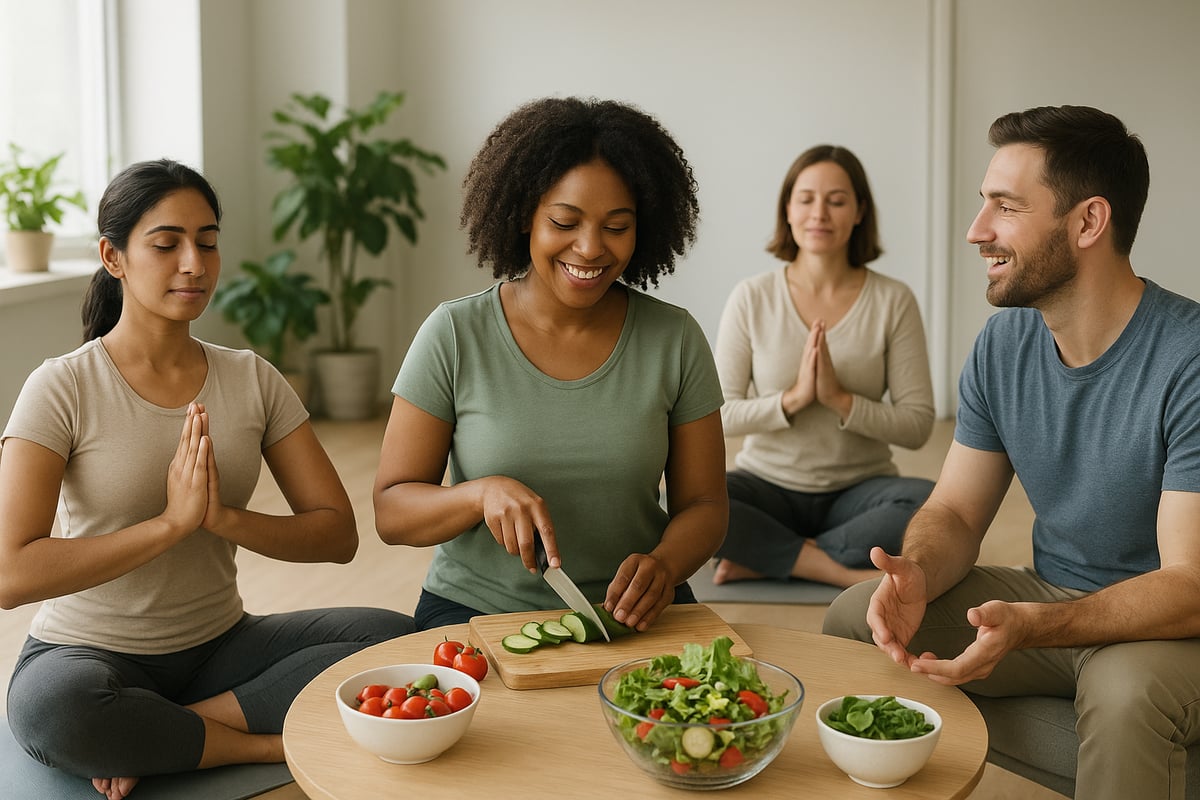
Wellness in 2026 is recognized as a dynamic, multidimensional concept that integrates physical, mental, emotional, spiritual, and social well-being. The World Health Organization’s updated 2025 definition emphasizes that health is not merely the absence of disease, but a state of complete well-being. You can explore this perspective in detail through the WHO’s 2025 health definition.
The focus has shifted from simply treating illness to proactively building a foundation for thriving. Models like the Blue Zones, where communities live longer and healthier lives, show the power of integrating lifestyle, purpose, and social support into everyday routines.
This evolving understanding of life and wellness encourages individuals to look beyond physical symptoms and consider how daily choices impact every aspect of well-being.
The Science of Balance: Why It Matters
Mounting research shows that a balanced approach to life and wellness can significantly reduce the risk of chronic diseases. According to CDC findings in 2024, individuals who maintain balance in physical activity, nutrition, sleep, and stress management experience lower rates of heart disease, diabetes, and other long-term conditions.
Stress management is now recognized as a cornerstone of sustained wellness. Techniques such as mindfulness and regular movement not only improve mood, but also help regulate the body’s response to daily pressures.
Harvard’s 2025 study on work-life integration highlights the importance of aligning professional demands with personal values. When people harmonize work and personal life, they enjoy greater satisfaction and resilience—a vital component of life and wellness today.
Key Pillars of Modern Wellness
Modern life and wellness are supported by several key pillars, each playing a critical role in overall balance:
| Pillar | Focus Areas | Trends in 2026 |
|---|---|---|
| Nutrition | Plant-based, anti-inflammatory, personalized | Tailored meal plans |
| Movement | Functional fitness, mobility, micro-workouts | Deskercise, movement snacks |
| Sleep | Circadian health, sleep tech | Smart devices for better rest |
| Mindfulness | Meditation, breathwork, digital detox | App-guided practices |
| Social | Community, belonging, support networks | Urban wellness hubs |
Individuals are encouraged to adopt anti-inflammatory diets, practice functional movement, prioritize restorative sleep, and engage in mindfulness routines. Social connection through community and support networks is equally vital for sustained life and wellness.
Data & Trends
Recent data underscores the growing commitment to holistic life and wellness. In 2025, 68 percent of adults reported prioritizing mental health alongside physical health, according to the Global Wellness Institute. This marks a dramatic shift from previous generations who often focused on physical health in isolation.
Corporate wellness programs are evolving to offer benefits that address mental, emotional, and social well-being, not just fitness. Employers now recognize the value of comprehensive support, offering flexible work schedules, group activities, and access to wellness resources.
True balance is a dynamic process that requires continual adaptation. As new research emerges, individuals and organizations must stay agile, integrating fresh insights to maintain optimal life and wellness across all domains.
Step-by-Step Pathway to Daily Balance
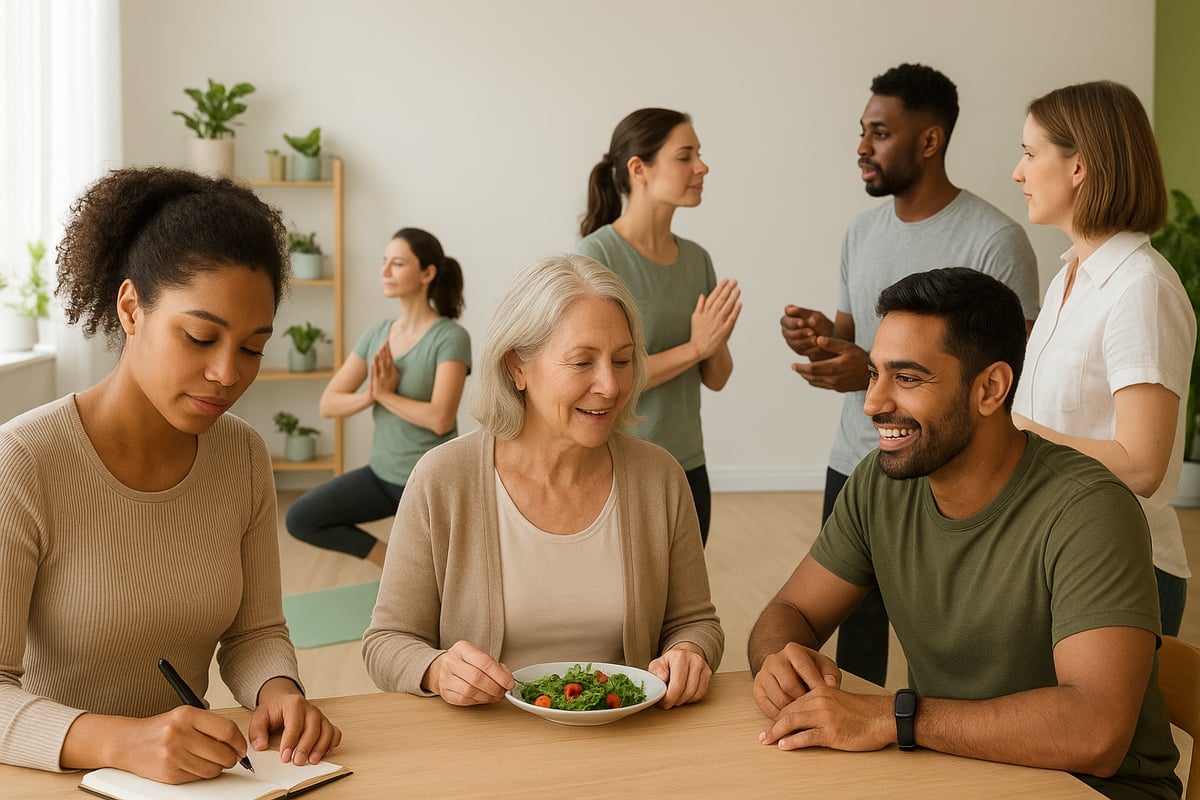
Creating lasting balance in your life and wellness journey is not about perfection. Instead, it is a process of small, intentional steps. By following this structured pathway, you can build a sustainable routine that adapts to your evolving needs.
Step 1: Assess Your Current Wellness Baseline
The first step toward balanced life and wellness is honest self-assessment. Begin by evaluating your physical health, mental clarity, and daily habits. Use digital health trackers or wellness apps to monitor sleep, activity, and nutrition.
Many free online self-assessment tools are available to help you benchmark your current state. By understanding your baseline, you can set realistic expectations and identify immediate areas for improvement.
Regular check-ins allow you to see how life and wellness evolve over time. This ongoing awareness is the cornerstone of lasting change.
Step 2: Set Meaningful, Personalized Goals
Goal setting is essential for progress in life and wellness. Use the SMART framework to create goals that are Specific, Measurable, Achievable, Relevant, and Time-bound.
Align your wellness objectives with your personal values and life stage. For example, instead of focusing only on weight loss, consider goals that increase your daily energy or support emotional balance.
Personalized goals keep you motivated and ensure your life and wellness strategy adapts as you grow and change.
Step 3: Build Sustainable Habits
Sustainable habits are the foundation of life and wellness. Leverage behavioral science insights, such as habit stacking, to make positive changes stick.
Partnering with an accountability buddy or joining a support group can increase your success rate. Try 21-day challenges or daily checklists to reinforce new routines.
Building habits that fit your lifestyle helps maintain momentum and supports every aspect of life and wellness.
Step 4: Prioritize Recovery and Resilience
Rest and recovery are vital to life and wellness. High performers consistently cite recovery practices as key to ongoing success.
Incorporate techniques like yoga, meditation, and nature therapy into your routine. These methods reduce stress, improve sleep, and enhance overall resilience.
Prioritizing downtime is not a luxury, it is a necessity for balanced life and wellness, especially in today’s fast-paced world.
Step 5: Track, Reflect, and Adjust
Continuous improvement is central to life and wellness. Use journaling, digital dashboards, or monthly check-ins to monitor your progress.
Feedback loops help you recognize patterns, celebrate milestones, and make timely adjustments. Reflection ensures your daily actions remain aligned with your larger goals.
By regularly tracking your life and wellness journey, you build self-awareness and adaptability for the long term.
Step 6: Seek Professional Support When Needed
Sometimes, achieving balance in life and wellness requires expert guidance. Knowing when to consult coaches, therapists, or wellness professionals can make a significant difference.
Explore integrative care models and telehealth options for comprehensive support. If you are seeking a trusted team, you can Meet the Wellness Team for personalized, holistic care that supports every dimension of your well-being.
Professional support empowers your life and wellness journey, offering resources and expertise tailored to your unique needs.
Innovations and Trends Shaping Wellness in 2026
The landscape of life and wellness is rapidly transforming as 2026 approaches. New technologies, scientific discoveries, and a growing emphasis on holistic health are reshaping the way individuals pursue balance. Below, we examine the pivotal trends and innovations leading this evolution.
Personalized Wellness Technologies
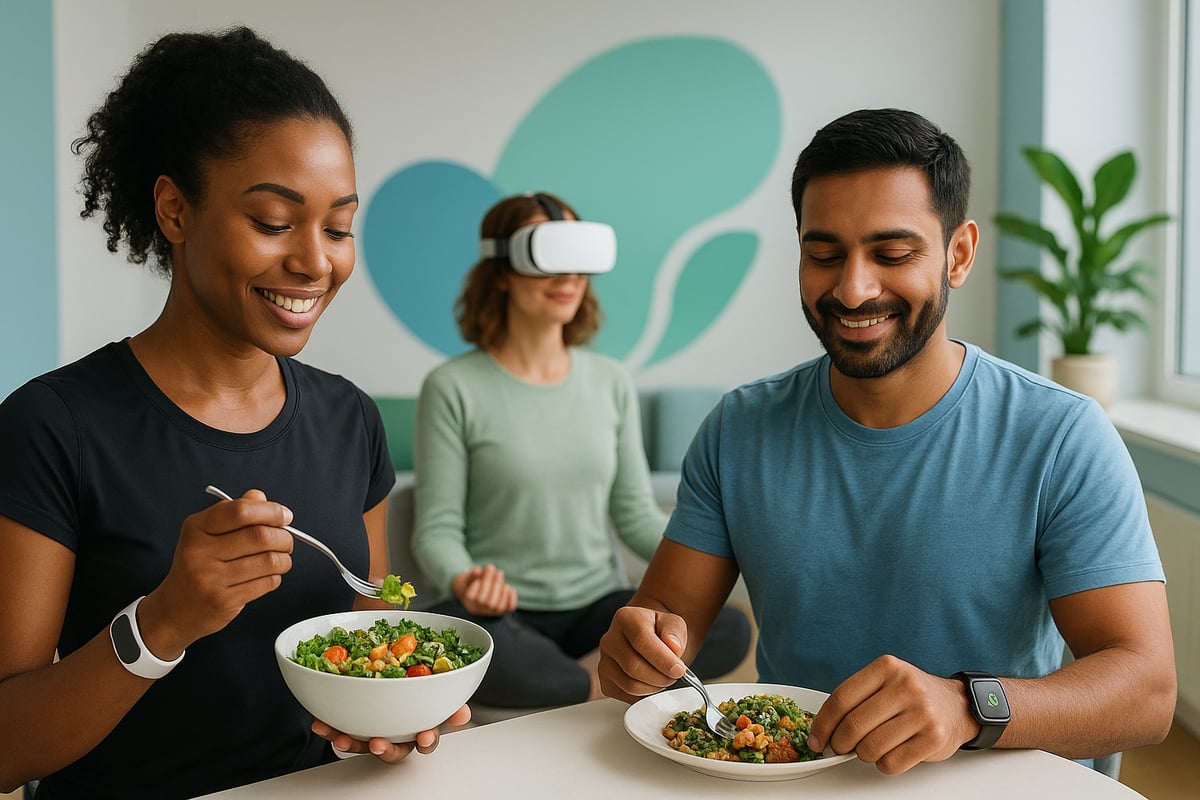
Personalized wellness technologies are at the forefront of the life and wellness movement. AI-powered health platforms now interpret individual biometrics in real time, offering tailored advice for nutrition, sleep, and exercise. Advanced wearables, such as smart rings and biometric patches, monitor stress, sleep cycles, and activity with unprecedented precision.
Virtual reality (VR) is also gaining traction. VR-based mindfulness programs help users manage anxiety and develop resilience in ways traditional methods cannot. These innovations empower people to make informed decisions, ensuring their life and wellness goals are data-driven and achievable.
Nutrition and Gut Health Revolution
A revolution in nutrition is underway, with the focus shifting to gut health and personalized meal planning. Microbiome testing is now accessible, enabling individuals to craft diets that optimize digestion and immunity. Plant-forward eating patterns and regenerative agriculture are making a significant impact on both personal health and planetary sustainability.
In 2026, 55 percent of adults use personalized nutrition apps, highlighting the demand for tailored approaches to life and wellness. For those seeking practical strategies, Nutrition and Healthy Living offers valuable insights on adopting anti-inflammatory diets and balanced routines.
Mental Health: Digital Tools and Human Connection
Mental health support has evolved, leveraging digital tools to enhance connection and care. Mental health apps facilitate therapy, guided meditation, and stress tracking, all from the comfort of home. Online peer support platforms foster a sense of belonging and accountability.
VR therapy is now a recognized tool for treating anxiety and PTSD. Digital communities dedicated to mental well-being are thriving, offering accessible support for anyone seeking to improve their life and wellness. Human connection, even in virtual spaces, remains a cornerstone of emotional resilience.
Movement and Recovery Science
Movement and recovery science have become more nuanced and accessible in 2026. Biohacking tools like red light therapy and functional fitness equipment help individuals improve mobility and strength efficiently. Short "movement snacks" and deskercise routines are widely adopted, making it easier for busy professionals to stay active.
The adoption of home fitness technology has surged by 40 percent since 2024. These innovations enable people to integrate movement seamlessly into their life and wellness routines, reducing barriers to daily exercise and recovery.
Holistic Healthcare Models
Healthcare in 2026 increasingly embraces holistic, integrative models. Clinics now blend conventional medicine with alternative therapies, such as chiropractic care, nutrition counseling, and mindfulness training. Insurance companies offer incentives for preventive wellness, encouraging proactive engagement.
Corporate partnerships with wellness providers are expanding, giving employees access to comprehensive benefits. These holistic approaches help individuals maintain balance across all facets of life and wellness, ensuring long-term vitality and resilience.
Building Resilient Communities and Support Networks
Building resilient communities and support networks is foundational for achieving lasting life and wellness. Social connection is more than a feel-good factor; it is a scientifically validated predictor of longevity and holistic health. As we move into 2026, research from Stanford underscores that strong support networks can significantly enhance well-being and life satisfaction. Integrative wellness centers, like those described on the About Ignite Chiropractic & Wellness page, are leading the way by fostering environments where individuals connect, learn, and support one another. These community-driven models demonstrate that when people unite for a common wellness goal, individual and collective resilience flourishes.
The Role of Social Connection in Wellness
Social connection is a vital element of life and wellness, influencing both physical and emotional health. Studies show that individuals with strong social ties are more likely to adopt healthy habits, experience lower stress, and enjoy longer lives. Community-based wellness initiatives—such as urban wellness hubs and local fitness collectives—create spaces for people to form meaningful relationships. These connections provide encouragement and accountability, making it easier to maintain balanced routines. Whether through group activities or shared health goals, engaging with others strengthens resilience and fosters a sense of belonging essential for overall well-being.
Digital Communities and Online Support
The digital age has transformed how people access support for life and wellness. In 2026, 80 percent of wellness seekers participate in online communities, according to the Global Wellness Institute. Virtual wellness groups, forums, and accountability circles make it possible to connect with like-minded individuals regardless of location. Peer-led mental health support groups offer a safe space for sharing experiences and advice. Digital platforms provide resources, mentorship, and real-time motivation, bridging the gap between in-person and remote support. These online networks play a critical role in maintaining daily balance and sustaining positive lifestyle changes.
Family and Intergenerational Wellness
Family remains a cornerstone of life and wellness, with intergenerational approaches gaining momentum. Shared health challenges, such as step-count competitions or meal planning, unite families in pursuit of common goals. Multi-generational wellness retreats encourage learning and growth across age groups. Bridging generational gaps allows each member to contribute unique insights and skills, enriching the group's overall well-being. By fostering open communication and collaboration, families can create supportive environments where everyone thrives. These efforts not only improve individual health but also strengthen family bonds for lasting resilience.
Workplace Wellness and Corporate Culture
Workplace culture significantly impacts life and wellness, especially as companies recognize the value of holistic employee support. In 2026, 60 percent of Fortune 500 companies offer comprehensive wellness benefits, including flexible schedules, mental health days, and on-site resources. The rise of remote work has prompted organizations to reconsider social health strategies, emphasizing virtual team-building and regular check-ins. Employee wellness programs now extend beyond physical fitness to address emotional and social needs. By prioritizing well-being, employers help build resilient teams and foster a positive work environment that supports both personal and professional growth.
Volunteering and Giving Back
Volunteering is a powerful avenue for enhancing life and wellness, benefiting both individuals and communities. Engaging in altruistic activities, such as corporate volunteering programs or local initiatives, has been shown to boost mood, reduce stress, and create a sense of purpose. Giving back connects people to their communities and reinforces the value of collective well-being. These experiences cultivate empathy and gratitude, key factors in building resilience. By making service a regular part of life, individuals contribute to a supportive network where everyone can flourish and achieve balance together.
Future-Proofing Your Wellness: Strategies for Long-Term Balance
Adapting your approach to life and wellness is essential as modern demands and personal circumstances evolve. The strategies below will help you maintain resilience and balance, no matter what the future brings.
Adapting to Changing Life Stages
Life and wellness needs shift as you move through childhood, adulthood, and senior years. Each stage requires a tailored approach. For example, young adults may focus on building healthy routines, while new parents adapt to disrupted sleep and retirees prioritize mobility and social connection. According to AARP, 70% of adults revise their wellness routines every five years. Staying proactive ensures your life and wellness plan serves you at every age.
Sample Adjustments by Life Stage:
- Young adults: Build exercise and nutrition habits
- Parents: Prioritize sleep and stress management
- Seniors: Focus on mobility and social engagement
Continual reassessment keeps your life and wellness journey relevant as you grow.
Building Emotional Agility and Mindset
Emotional agility is pivotal for long-term life and wellness. Cultivating resilience, optimism, and adaptability allows you to navigate stress and uncertainty. Techniques such as daily gratitude journaling, breathwork, and reframing negative thoughts foster a positive mindset.
Incorporating Yoga and Mindfulness Practices into your routine can further enhance resilience. Mindfulness helps you stay present, while gratitude exercises promote optimism. Over time, these habits strengthen your ability to adapt and thrive in changing circumstances.
Financial Wellness and Life Balance
Financial stability is closely linked to life and wellness. Managing money effectively reduces stress and supports overall well-being. Setting clear financial goals, budgeting, and using digital tools can make a significant difference.
| Tool | Purpose |
|---|---|
| Budgeting Apps | Track expenses, set goals |
| Financial Planning | Map out future needs |
| Employer Programs | Offer support resources |
Balancing finances ensures you can invest time and energy into other pillars of life and wellness, such as relationships and self-care.
Environmental Wellness and Sustainable Living
Your surroundings play a vital role in life and wellness. Eco-friendly habits, access to green spaces, and clean air all support your physical and mental health. In 2026, 50% of urban dwellers prioritize nature access, reflecting a growing trend toward sustainable living.
Simple steps like starting a community garden, choosing plants for your home, and following the FDA’s updated ‘healthy’ food definition can foster environmental wellness. These actions benefit both your personal well-being and the planet.
Accessing Professional Wellness Support
There are times when seeking professional guidance is essential for life and wellness. Coaches, therapists, and wellness clinics provide tailored care, especially when facing complex health or emotional challenges. Integrative models, combining medical, nutritional, and mental health expertise, are increasingly accessible through telehealth and multidisciplinary wellness centers.
When should you seek help?
- Persistent stress or anxiety
- Major life transitions
- Chronic pain or health concerns
Professional support ensures your life and wellness journey stays on track, even during challenging periods.
Ignite Chiropractic & Wellness: A Holistic Approach to Balance
Ignite Chiropractic & Wellness in Marysville, Ohio offers a comprehensive model for life and wellness. Their approach addresses root causes, using advanced diagnostics and personalized care plans to promote vitality. Patients benefit from drug-free, non-surgical solutions, empowering education, and strong community engagement.
Services include chiropractic care, wellness coaching, and community workshops. Success stories highlight improved mobility, pain reduction, and greater life satisfaction. To access their services or schedule a consultation, visit their website and discover how holistic care can support lasting life and wellness.
The Evolving Definition of Success and Well-Being in 2026
Success in 2026 is taking on a new meaning. Instead of focusing solely on career milestones or material achievements, people are redefining what it means to thrive. The conversation around life and wellness is now centered on holistic satisfaction and sustainable habits. This shift is transforming how individuals, companies, and communities measure true accomplishment.
Rethinking Success: Well-Being Over Achievement
For decades, success was often equated with productivity, promotions, or financial gain. In 2026, well-being is becoming the new benchmark for success. Individuals and organizations are prioritizing happiness, health, and life balance over traditional metrics.
Many companies now measure not just output, but also employee satisfaction and overall wellness. According to Gallup, 65% of Millennials and Gen Z put well-being before career advancement. This cultural shift is supported by research such as the Harvard study on work-life integration, which highlights the importance of policies that foster both professional achievement and personal fulfillment. The life and wellness movement is encouraging people to pursue holistic goals that align with their values and passions.
Measuring Your Own Success and Growth
The tools for assessing success have evolved alongside this new perspective. Instead of relying solely on promotions or financial milestones, individuals are using well-being indexes and life satisfaction surveys to track progress. These frameworks allow people to reflect on their mental, physical, and emotional health.
Monthly reviews, gratitude journals, and digital tracking tools help individuals stay mindful of their life and wellness journey. By focusing on incremental improvements, people are able to celebrate progress in areas like social connection, resilience, and self-care. This approach empowers everyone to measure growth in a way that feels authentic and sustainable.
Embracing Flexibility and Continuous Growth
Adaptability is at the heart of long-term life and wellness. In 2026, success is viewed as a dynamic process that evolves with changing circumstances. Lifelong learning and self-improvement are essential components of this new definition.
Microlearning platforms and self-improvement apps offer accessible ways to acquire new skills or habits. This flexibility allows individuals to pivot in response to new challenges and opportunities. By embracing continuous growth, people can maintain a sense of purpose and momentum, regardless of their stage in life.
Celebrating Progress, Not Perfection
Perfection is no longer the goal. Instead, people are recognizing the value of small wins and self-compassion. Sharing milestones—whether in wellness communities, with friends, or within families—has become a common practice.
According to the Positive Psychology Center, 78% of individuals report greater happiness when they celebrate incremental progress. This mindset shift encourages people to acknowledge their efforts, rather than dwell on shortcomings. The life and wellness movement supports celebrating each step forward, reinforcing motivation and resilience.
Looking Ahead: Wellness as a Lifelong Journey
As the definition of success continues to evolve, wellness is increasingly seen as an ongoing journey. People are encouraged to remain curious, experiment with new habits, and seek support from their communities.
Annual wellness retreats and goal-setting workshops provide opportunities for reflection and renewal. Viewing life and wellness as a lifelong pursuit helps individuals stay engaged and adaptable. The future is about embracing change, fostering connections, and building a foundation for sustainable well-being.
As you reflect on your path to balance in 2026, remember that true wellness is about more than just physical health—it’s about nurturing every aspect of your life, from mental clarity to meaningful connections. At Ignite Chiropractic & Wellness, we’re here to support you with personalized care plans, advanced diagnostics, and a holistic approach that addresses the root causes of imbalance. If you’re ready to take the next step toward sustained vitality and a more fulfilling life, you don’t have to do it alone. You can Schedule Your Appointment Today and start building your pathway to lasting wellness.