
In 2026, a growing number of people are searching for reliable ways to address common health concerns at home. The demand for home treatments is rising, as more individuals seek practical options that are both effective and supported by science.
This article explores seven home treatments that deliver results, drawing on the latest research and expert advice. You will discover a blend of innovative lifestyle changes and proven traditional remedies, all designed to help you take charge of your well-being.
Ready to find real solutions you can use today? Let’s uncover strategies that empower you to improve your health from the comfort of your own home.
Why Home Treatments Matter in 2026
The landscape of healthcare is evolving rapidly. In 2026, people are turning to home treatments more than ever before. This shift is driven by the desire for accessible, affordable, and effective care right from the comfort of home. But why does this matter so much today? Let us explore the driving forces, scientific backing, and practical considerations that make home treatments a smart choice for many.

The Rise of At-Home Health Solutions
After the global pandemic, the demand for home treatments soared. People became more focused on prevention and managing health at home. Advances in telehealth and digital monitoring made it easier to track symptoms and access guidance without leaving the house.
DIY health kits and smart devices have become household staples. This trend saves both time and money, reducing the need for frequent clinic visits. As more people prioritize convenience and cost savings, home treatments have become a central part of everyday wellness.
Evidence-Based vs. Trendy: What Really Works?
Not all home treatments are created equal. While social media often promotes the latest health fads, scientific validation is crucial. Clinical studies and expert recommendations separate passing trends from reliable solutions. For example, research shows that mindful eating reduces GERD symptoms, highlighting the importance of evidence-based strategies.
Choosing treatments backed by data helps you avoid disappointment and risk. Home treatments should be supported by research, not just popularity. This approach ensures you invest time and effort into methods proven to improve health.
Empowering Individuals: Taking Control of Your Health
Home treatments empower people to manage both chronic and minor health concerns. By taking an active role, you build confidence and develop skills for lifelong wellness. Many find that self-care at home offers a psychological boost, making them feel more in control.
Stories from patients show real benefits. For example, those using home treatments for reflux or pain often report improved quality of life. The sense of accomplishment that comes from managing symptoms at home cannot be underestimated.
Limitations and When to Seek Professional Help
While home treatments are powerful, they are not a cure-all. It is important to recognize symptoms that require medical attention. Delaying care for serious issues can be risky.
Guidelines exist to help you know when to consult a doctor. For instance, if acid reflux is severe or accompanied by chest pain, professional help is essential. Safe self-treatment means knowing your limits and seeking expert advice when needed.
7 Home Treatments That Really Work in 2026
Modern lifestyles demand solutions that fit seamlessly into daily routines. These seven home treatments stand out in 2026 for their proven ability to transform health. Each is backed by research, expert endorsement, and real-world success stories. Whether you want to manage chronic symptoms or boost overall well-being, these strategies offer practical, accessible options for anyone seeking better health at home.

1. Mindful Eating and Portion Control
Mindful eating is one of the most effective home treatments for managing digestive health and promoting overall wellness. By focusing on how and what you eat, you can make a significant impact on issues like acid reflux, weight gain, and even mental well-being.
Research shows that eating smaller, more frequent meals helps reduce the risk of reflux and supports better digestion. Overeating is a common trigger for heartburn and can contribute to weight challenges. Studies indicate that mindful eating can decrease GERD symptoms by up to 40 percent, making it an essential part of any home treatments plan.
Practical tips include:
- Use smaller plates to naturally limit portions.
- Chew each bite thoroughly to aid digestion.
- Schedule meals at regular intervals rather than skipping or rushing.
- Try "grazing," or eating five to six smaller meals instead of three large ones.
For example, many people find that shifting from three large daily meals to grazing improves their metabolic health and helps stabilize energy levels. Mindful eating also supports weight management and boosts mental clarity, making it a cornerstone of home treatments for 2026.
For more guidance on incorporating this approach, explore these mindful eating practices and benefits.
2. Strategic Food Choices and Triggers to Avoid
Identifying and avoiding dietary triggers is a crucial step in successful home treatments for digestive discomfort. Certain foods—like spicy dishes, caffeine, chocolate, tomatoes, and onions—are common culprits for acid reflux and other gastrointestinal issues.
A personalized food diary can help you pinpoint which foods cause symptoms. Evidence suggests that about 70 percent of reflux sufferers see improvement with targeted dietary changes. The process involves eliminating potential triggers, then reintroducing them one at a time to identify specific sensitivities.
Practical guide:
- Start by cutting out the most common triggers for two weeks.
- Reintroduce one food every three days, noting any symptoms.
- Use a diary or app to track reactions and patterns.
For instance, some individuals achieve relief from acid reflux by avoiding tomatoes and onions, then gradually reintroducing them to test tolerance. It is important to remember that not all healthy foods suit every person—bio-individuality matters in home treatments.
The following table summarizes common food triggers and their effects:
| Food Trigger | Common Effect |
|---|---|
| Spicy foods | Heartburn, reflux |
| Caffeine | Increased acidity |
| Chocolate | Relaxed sphincter |
| Tomatoes/onions | Acidic irritation |
This method ensures that home treatments are tailored to your unique needs.
3. Optimized Sleep Positioning and Bed Adjustments
Proper sleep positioning is a powerful yet often overlooked aspect of home treatments for nighttime reflux and sleep quality. Elevating the head of your bed by six to eight inches can significantly decrease reflux episodes, allowing for more restful sleep.
Research confirms that sleeping on an incline reduces the backflow of stomach acid into the esophagus. Foam wedges are generally more effective than stacked pillows, as they provide stable support and maintain the correct angle throughout the night.
To optimize your sleep environment:
- Use bed risers or a foam wedge to elevate the head of the bed.
- Avoid lying flat after meals for at least two hours.
- Maintain a consistent sleep schedule for better overall health.
User testimonials frequently highlight improved sleep and reduced GERD symptoms after making these adjustments. Notably, sleep positioning also benefits those with back pain or breathing difficulties, making it a versatile option for home treatments.
For detailed guidance on effective bed elevation, see this resource on elevating the head of bed for acid reflux relief.
4. Movement and Post-Meal Activity
Incorporating the right kind of movement after meals is a game-changer in home treatments for digestive health. While vigorous activity immediately after eating can cause discomfort, gentle activities like walking aid digestion and prevent bloating.
Evidence supports that light walking post-meal reduces acid reflux and helps regulate blood sugar. Timing is key: wait at least 30 minutes after eating before engaging in more strenuous exercise, but a gentle stroll right after a meal is beneficial.
Practical tips:
- Take a 10- to 15-minute walk after dinner to boost digestion.
- Avoid high-intensity workouts for at least an hour after large meals.
- Choose activities like stretching, yoga, or light household tasks.
Comparing a short after-dinner walk to intense exercise, the former is safer for digestion and supports cardiovascular health. Movement is a central part of home treatments because it benefits both gut and metabolic function.
Consider using a step tracker or app to stay motivated and make movement a routine part of your home treatments.
5. Weight Management and Sustainable Lifestyle Habits
Maintaining a healthy weight is one of the most impactful home treatments for preventing and managing chronic health conditions. Excess weight increases the risk of acid reflux, joint pain, and metabolic disorders.
Studies show that losing just 5 to 10 percent of body weight can lead to dramatic improvements in GERD symptoms and overall health. The most effective approach combines dietary adjustments, increased physical activity, and consistent habit tracking.
Practical strategies include:
- Set realistic, incremental weight loss goals.
- Use a journal or app to monitor food intake and progress.
- Celebrate small milestones to stay motivated.
Real-life success stories often highlight gradual weight loss as the key to sustainable results. Focusing on long-term habits rather than quick fixes is essential for effective home treatments.
The following table summarizes the benefits of weight management:
| Weight Loss (%) | Health Benefit |
|---|---|
| 5% | Reduced reflux, less joint pain |
| 10% | Improved metabolic markers |
| 15%+ | Lowered cardiovascular risk |
This evidence-based approach ensures that home treatments yield lasting improvements.
6. Smoke-Free and Alcohol-Moderated Living
Eliminating smoking and moderating alcohol intake are vital components of comprehensive home treatments. Both habits are known to weaken the lower esophageal sphincter, increasing the likelihood of acid reflux and other health problems.
Quitting smoking not only reduces reflux but also improves lung and cardiovascular function. Similarly, limiting alcohol consumption leads to better sleep, liver health, and digestive function. Research supports the broad benefits of these lifestyle changes as part of home treatments.
Practical steps:
- Seek support from quit-smoking programs or helplines.
- Set clear limits for alcohol intake and track consumption.
- Replace these habits with healthier alternatives, such as herbal teas or mindful breathing.
Before-and-after scenarios often reveal significant improvements in symptoms and overall well-being following these changes. Beyond symptom relief, smoke-free and alcohol-moderated living contribute to a healthier, longer life, underscoring their importance in home treatments.
7. Medication Review and Safe Self-Management
Reviewing your medications is a critical, often overlooked aspect of safe home treatments. Some prescription and over-the-counter drugs—such as certain painkillers, estrogens, and muscle relaxants—can worsen reflux or gastrointestinal symptoms.
To safely manage your medications:
- Make a list of all drugs you are taking, including supplements.
- Consult your healthcare provider before stopping or changing any medication.
- Stay informed about potential side effects related to digestive health.
Studies link specific medications to increased reflux risk, so regular reviews are essential. Real-life cases show that adjusting medication under medical guidance can lead to symptom improvement and more effective home treatments.
Communication with healthcare professionals ensures that home treatments remain safe and tailored to your individual needs. This collaborative approach maximizes results while minimizing risks.
Creating a Personalized Home Treatment Plan
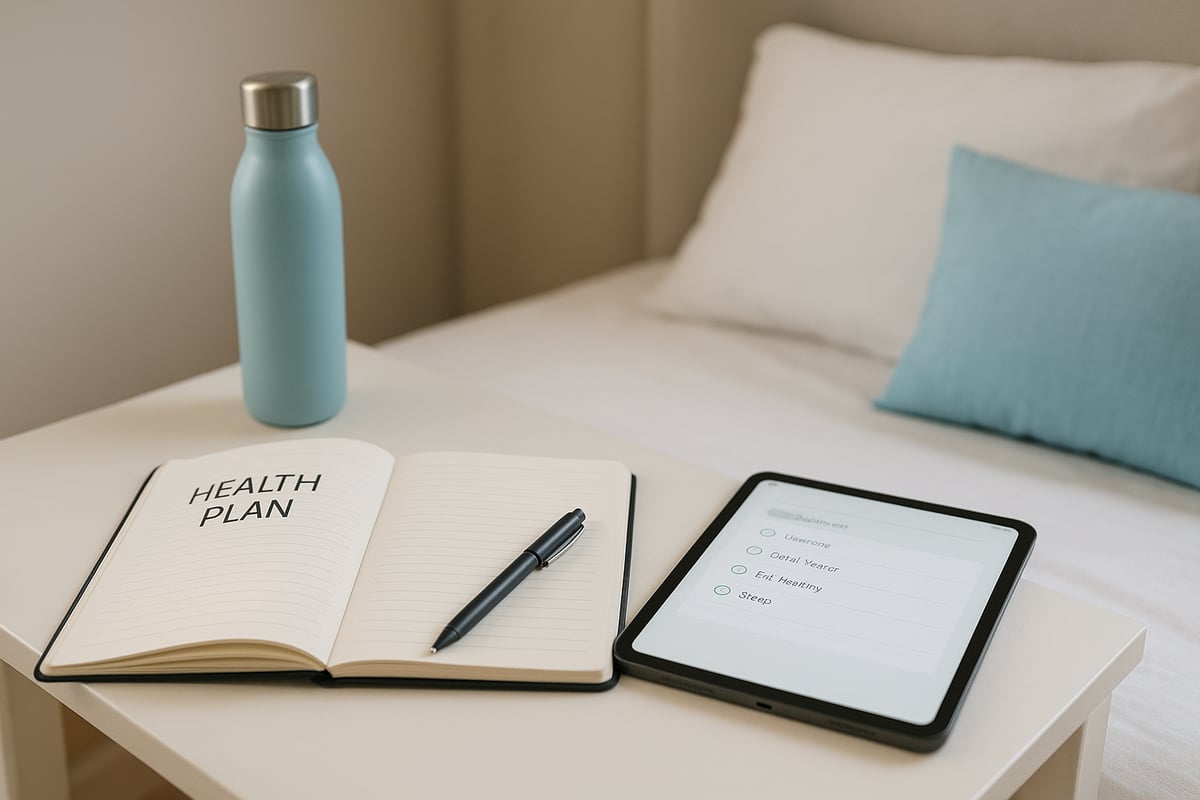
Taking charge of your health starts with a plan tailored to your unique needs. A personalized approach to home treatments ensures you focus on what matters most for your well-being. Thoughtful customization makes these strategies more effective and sustainable.
Assessing Your Health Needs and Goals
Start by identifying your main health priorities. Are you aiming to reduce acid reflux, manage pain, or boost overall energy? Reflect on your symptoms, family history, and lifestyle. Using a symptom diary can reveal patterns that point to the most beneficial home treatments.
Set realistic goals that are specific and measurable. For example, you might decide to lessen nighttime reflux episodes or increase daily activity. Tracking your progress helps you stay motivated. Personalization is key, as everyone responds differently to home treatments.
Tracking Progress and Making Adjustments
Consistency is vital for successful home treatments. Use a notebook or a digital health app to record symptoms, meals, sleep quality, and physical activity. This data highlights what works and where adjustments are needed.
If you notice improvement after implementing a new strategy, continue and refine it. If symptoms persist, try modifying meal timing or your sleep setup. Regular tracking helps you adjust home treatments for the best results. Over time, you will discover patterns that support your goals.
Integrating Multiple Strategies for Best Results
Combining several home treatments often leads to better outcomes than relying on one approach. For example, pairing mindful eating with optimized sleep positioning and gentle movement can create a powerful effect on digestive and overall health.
Consider developing a weekly plan that includes dietary changes, activity, and sleep adjustments. Evidence shows multi-pronged strategies boost success rates. For guidance on dietary adjustments, explore these nutrition tips for better health. Integrating various home treatments maximizes your long-term well-being.
When and How to Consult Professionals
While home treatments are effective for many issues, it is important to recognize when to seek professional help. If symptoms worsen, new problems arise, or red flags appear, consult a healthcare provider promptly.
Build a collaborative relationship with your care team. Share your symptom diary and discuss any changes you have made at home. To meet qualified professionals who can support your journey, visit Meet our chiropractic team. Knowing when to transition from home treatments to clinical care keeps you safe and supported.
You've just explored seven home treatments that really work in 2026—backed by research, real stories, and practical tips you can put to use right away. But sometimes, reaching your health goals requires a little extra support and expert guidance. If you're ready to take your well-being to the next level with a personalized, wellness-focused chiropractic plan designed just for you, we're here to help. Let's work together to address the root causes of your health concerns and create a sustainable path to long-term vitality. Schedule Your Appointment Today and start your journey toward better health.