
Are you ready to rethink your approach to lasting wellbeing? The health wellness model is changing how individuals pursue sustainable health in 2026, offering a holistic pathway that goes far beyond traditional care.
This comprehensive guide unpacks the health wellness model, giving you practical steps to boost your long-term wellbeing. You will discover its core principles, learn step-by-step strategies for daily life, and explore real-world examples and expert insights supported by the latest data.
Experience the promise of lasting health, gain inspiration from proven success stories, and take action with guidance designed for the demands of modern living.
Understanding the Health Wellness Model: Foundations & Evolution
The health wellness model in 2026 represents a transformative approach to wellbeing, moving far beyond the boundaries of traditional healthcare. This model focuses on proactive, holistic strategies that support individuals in achieving optimal health across every stage of life. By emphasizing the interconnectedness of body, mind, and environment, the health wellness model empowers people to take charge of their long-term wellbeing.
Over time, the health wellness model has evolved significantly. Decades ago, healthcare was predominantly reactive, centered on treating illness and managing symptoms. In contrast, today's wellness model encourages prevention, lifestyle optimization, and self-management. This shift has been shaped by advances in medical science, changes in societal values, and growing recognition that health is multi-dimensional.
A key distinction lies in the approach. Traditional systems often focus on disease diagnosis and intervention after problems arise. The health wellness model, however, seeks to address root causes before they manifest as illness. It emphasizes building resilience and supporting daily habits that foster health. The following table highlights these differences:
| Approach | Illness-Focused Care | Health Wellness Model |
|---|---|---|
| Primary Goal | Treat disease | Promote overall wellbeing |
| Timing | Reactive | Proactive and preventive |
| Scope | Physical symptoms | Physical, mental, social, etc. |
| Patient Role | Passive recipient | Active participant |
Core components of the health wellness model include:
- Physical health: Prioritizing exercise, balanced nutrition, and restorative sleep.
- Mental and emotional health: Supporting resilience, stress management, and emotional balance.
- Social health: Fostering meaningful connections and supportive relationships.
- Spiritual health: Encouraging purpose, values, and mindfulness.
Research underscores the benefits of adopting the health wellness model. Studies show that individuals who engage in holistic wellness practices experience increased longevity, lower risk of chronic diseases, and a higher quality of life. These outcomes are not only personal but also have global implications.
The economic impact of the health wellness model is substantial. According to the Global wellness economy reaches $6.8 trillion in 2024, the industry has grown rapidly, reflecting society’s commitment to integrated wellbeing solutions. This growth supports a wide range of services, from wellness coaching to digital health platforms.
Healthcare systems around the world are increasingly adopting integrated wellness models. Hospitals and clinics now blend conventional medicine with holistic approaches, offering programs that address nutrition, movement, mental health, and social support. These integrated models are designed to treat the whole person, not just the symptoms.
Digital technologies are also reshaping the health wellness model. Wearable devices, health apps, and telehealth services enable real-time monitoring, personalized feedback, and greater accessibility. These innovations help individuals stay engaged with their wellness journey, making the health wellness model more dynamic and effective than ever before.
The evolution of the health wellness model highlights a global movement toward proactive, comprehensive health. By embracing its core principles, individuals and communities can unlock new opportunities for lasting wellbeing.
The 2026 Wellness Model: Core Principles & Latest Trends
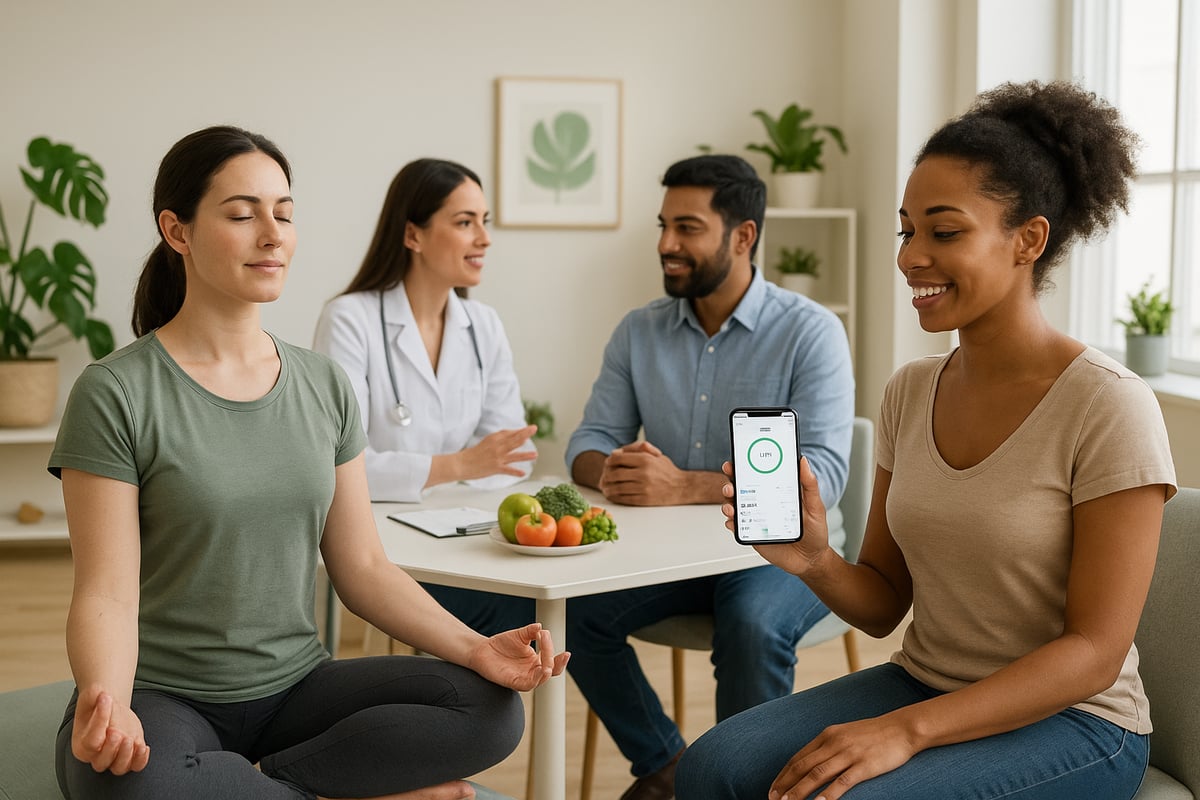
The health wellness model in 2026 is defined by a shift from reactive care to a proactive, holistic approach. This model focuses on the whole person, recognizing that true wellbeing is multidimensional and interconnected. As people search for sustainable solutions, the health wellness model stands out for its evidence-based, forward-thinking principles.
Prevention is at the heart of this evolution. Today, the health wellness model prioritizes early intervention and lifestyle management to reduce the risk of chronic disease. Instead of waiting for illness to strike, individuals are encouraged to take charge of their health through regular screenings, balanced routines, and informed choices.
Personalization has become a defining feature. Using advanced diagnostics and genetic profiling, wellness plans are now customized to fit individual needs and goals. Data-driven insights inform dietary recommendations, exercise regimens, and stress management techniques. This tailored approach not only boosts engagement but also improves outcomes.
The integration of mental health is another core principle. Emotional and psychological wellbeing are now recognized as essential components of the health wellness model. Access to therapy, digital mental health resources, and mindfulness programs is becoming mainstream. Workplaces and communities increasingly support mental fitness alongside physical health.
Technology is shaping the wellness landscape in unprecedented ways. Digital wellness tools, including mobile apps, wearables, and telehealth platforms, empower users to track progress, set goals, and receive real-time feedback. In fact, 72% of adults use at least one wellness app, reflecting widespread adoption. Artificial intelligence is making significant contributions by analyzing health data and providing personalized recommendations. For more on this, see AI’s role in 2026 health trends.
Community-driven wellness initiatives are gaining momentum. The health wellness model emphasizes social connection, group activities, and peer support as vital for lasting wellbeing. Local wellness challenges, group fitness programs, and online support networks foster accountability and motivation.
Environmental and planetary health are now integral to personal wellness. The 2026 model encourages eco-friendly habits, mindful consumption, and active participation in sustainability efforts. Individuals recognize that their health is tied to the wellbeing of their environment.
Corporate wellness programs illustrate the impact of this comprehensive approach. Organizations adopting the health wellness model report a 28% reduction in absenteeism, demonstrating tangible benefits for both individuals and businesses.
Below is a summary table highlighting the latest trends in the health wellness model:
| Trend | Description |
|---|---|
| Prevention | Focus on early intervention and healthy habits |
| Personalization | Data-driven, individualized wellness plans |
| Mental Health Integration | Emotional wellbeing as a core component |
| Digital Tools | Apps, wearables, and telehealth for accessible support |
| Community Initiatives | Group wellness challenges and support systems |
| Environmental Health | Emphasis on sustainability and eco-conscious living |
| Corporate Wellness | Organizational programs improving health and productivity |
The health wellness model continues to evolve, responding to new research, technology, and societal needs. Its core principles and latest trends offer a blueprint for achieving long-term, multidimensional wellbeing in 2026.

Step-by-Step Guide: Building Your Personalized Wellness Plan
Creating a personalized wellness plan is essential for achieving long-term results with the health wellness model. By breaking the process into manageable steps, you can turn intention into action and experience real, sustainable change.
Step 1: Assess Your Current Health and Lifestyle
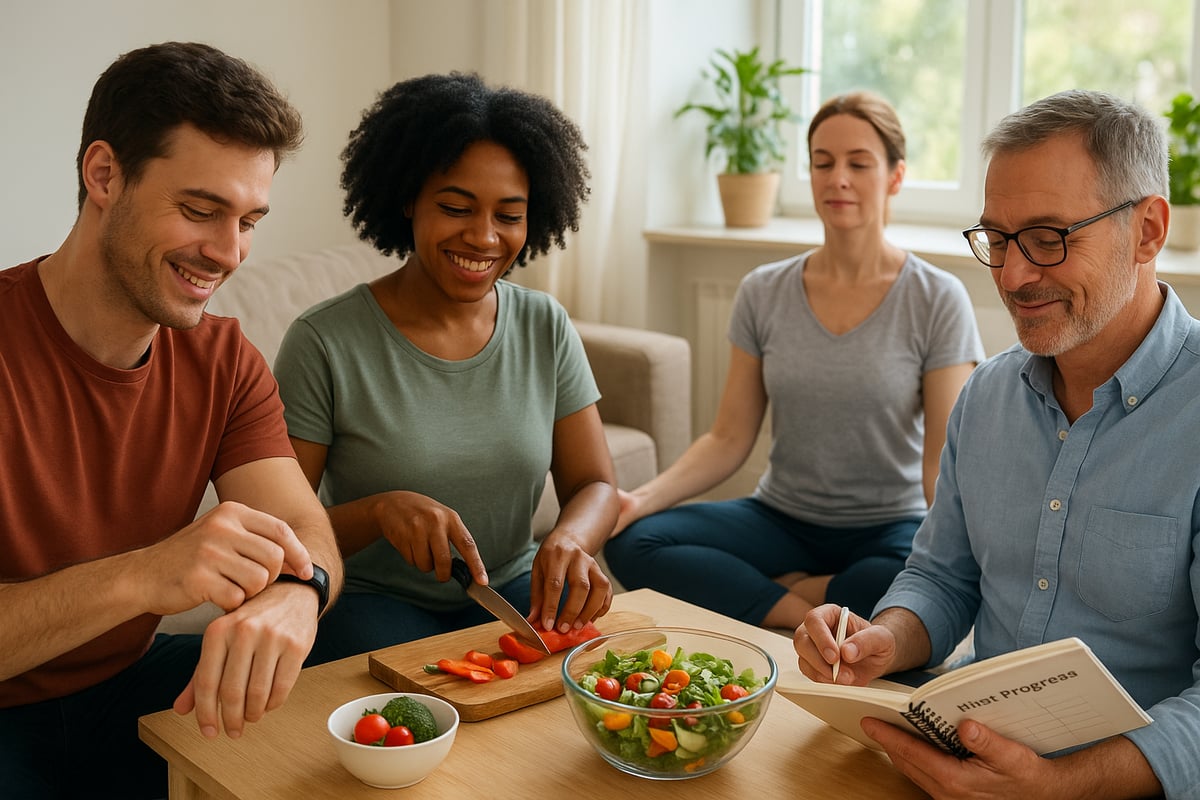
Begin by evaluating where you stand. Use self-assessment tools, complete professional screenings, or keep a health journal for a week. Pay attention to your physical activity, eating habits, sleep patterns, stress levels, and social connections.
This honest snapshot is the foundation of the health wellness model. It provides a clear starting point and helps you identify areas for improvement.
Step 2: Set SMART Wellness Goals
Once you understand your baseline, define clear and realistic objectives. The health wellness model encourages setting SMART goals: Specific, Measurable, Achievable, Relevant, and Time-bound.
| SMART Goal Element | Description | Example |
|---|---|---|
| Specific | Target a clear area | Walk 30 minutes daily |
| Measurable | Track progress | Use a pedometer to count steps |
| Achievable | Realistic | Increase activity gradually |
| Relevant | Align with needs | Supports cardiovascular health |
| Time-bound | Set a deadline | Achieve in eight weeks |
Writing down your goals increases commitment and brings clarity to your health wellness model journey.
Step 3: Build a Balanced Routine
A balanced routine covers nutrition, exercise, sleep, and mindfulness. Prioritize whole foods, regular movement, and sufficient rest.
For nutrition, consider evidence-based strategies like meal planning, portion control, and hydration. Explore Nutrition and Wellness Strategies for practical tips aligned with the health wellness model.
Incorporate physical activity and aim for at least 150 minutes of moderate exercise weekly. Protect your sleep by establishing a regular bedtime routine.
Step 4: Integrate Stress Management and Mental Health Care
Mental and emotional wellbeing are pillars of the health wellness model. Practice mindfulness, meditation, or deep-breathing exercises daily.
If you struggle with anxiety or depression, consider journaling or professional therapy. Building emotional resilience is as important as physical fitness in this model.
Step 5: Leverage Technology for Tracking and Support
Modern wellness is powered by technology. Use health apps, wearables, or online communities to monitor progress. These tools make the health wellness model more accessible and engaging.
Track your activity, nutrition, sleep, and mood. Set reminders for hydration, movement, or relaxation breaks. Digital support can keep you accountable and motivated.
Step 6: Create a Support Network
Wellbeing thrives in supportive environments. The health wellness model emphasizes connection with family, friends, or wellness professionals.
Share your goals with trusted people. Join group classes or online forums. Support networks provide encouragement, accountability, and shared experiences that increase your chance of success.
Step 7: Monitor Progress and Adjust Your Plan
Regularly review your wellness data and reflect on your journey. The health wellness model is not static; it evolves as your needs change.
Adjust your routine if something is not working. Celebrate wins, no matter how small. Consistent monitoring and flexibility help you stay on track.
Real-Life Success Story: Reversing Prediabetes
Consider Maria, who followed the health wellness model after a prediabetes diagnosis. She started with a self-assessment, set SMART goals for weight loss and blood sugar control, and built a balanced routine.
Using a fitness tracker, Maria monitored her daily steps and sleep. She joined a wellness group for support and checked her progress monthly. Over six months, Maria reversed her prediabetes, a testament to the power of a personalized plan.
Tips for Overcoming Common Barriers
Staying consistent can be challenging. Common obstacles include lack of time, motivation, or resources. The health wellness model encourages breaking tasks into small steps and focusing on progress, not perfection.
Try scheduling wellness activities, setting reminders, and rewarding yourself for milestones. If you encounter setbacks, practice self-compassion and seek support. Personalized plans have been shown to boost adherence by 40 percent, making lasting change more achievable.
Conclusion
Building your personalized wellness plan with the health wellness model is an investment in your future. By taking it step by step, leveraging support, and adapting as needed, you can create sustainable habits and achieve lasting wellbeing.
Overcoming Barriers to Lasting Wellbeing
Achieving sustainable results with the health wellness model often means facing and overcoming a range of obstacles. Even as more people adopt wellness-focused lifestyles, barriers like time constraints, waning motivation, financial pressures, and information overload can derail progress. Understanding these challenges is a vital first step toward building a foundation for lasting wellbeing.
Identifying Barriers and Their Impact
The health wellness model recognizes that lasting change goes beyond simply adopting new habits. Many individuals encounter common roadblocks that can disrupt their progress. These challenges are not always personal shortcomings—they often reflect broader societal and environmental factors.
Here is a summary of frequent barriers and practical solutions:
| Barrier | Impact | Quick Solution |
|---|---|---|
| Time constraints | Skipped workouts, poor meal planning | Micro-habits, schedule blocks |
| Motivation dips | Abandoned routines | Accountability partner |
| Financial limitations | Limited access to resources | Free community programs |
| Information overload | Confusion, indecision | Trusted sources, expert help |
| Cultural factors | Misalignment with family or tradition | Adapted wellness practices |
Recent CDC data shows that 80% of people relapse into old habits without ongoing support. This underscores the importance of sustained engagement within the health wellness model. Cultural and socioeconomic differences also influence how easily individuals can access wellness resources or participate in group activities.
Misinformation and fleeting wellness fads can further complicate the journey. It is crucial to rely on evidence-based recommendations and to verify advice with qualified professionals.
Strategies and Solutions for Lasting Wellbeing
The most effective health wellness model strategies are those that foster consistency and resilience. Here are some actionable steps to help you overcome common barriers:
- Set realistic, incremental goals rather than aiming for perfection.
- Practice self-compassion. Progress takes time, and setbacks are part of growth.
- Build habits by attaching new routines to existing ones, such as meditating after brushing your teeth.
- Seek out accountability partners or join a support group for encouragement.
- Participate in community wellness challenges to boost motivation and engagement.
- Regularly review your progress and celebrate small victories.
Support systems are vital for long-term success. Multidisciplinary teams—like those described in the About Our Wellness Approach—can provide holistic guidance, combining physical, emotional, and lifestyle support under one roof.
Finally, staying informed and adaptable is key. Wellness is not a one-size-fits-all journey. By embracing patience, leveraging community resources, and using credible information, you can navigate the health wellness model with greater confidence and success.
The Future of Health Wellness Models: What to Expect in 2026 and Beyond
The future of the health wellness model is poised to redefine how individuals, communities, and organizations approach wellbeing. By 2026, new frameworks will emphasize not only personal responsibility but also systemic support, ensuring that everyone has the opportunity to thrive. As the industry matures, the health wellness model will become even more personalized, data-driven, and accessible.
Technological advancements will play a pivotal role in shaping the health wellness model. Artificial intelligence will power individualized health coaching, analyzing real-time data from wearables and medical records to offer tailored recommendations. Precision nutrition, based on genetic and microbiome analysis, will help individuals optimize diet for unique needs. Virtual reality will revolutionize mental health care by providing immersive therapy and stress reduction experiences, making wellbeing support more engaging and effective.
Accessibility will expand as the health wellness model integrates into workplaces and schools, normalizing wellness practices across all age groups. Affordable and scalable wellness solutions, such as community-based programs and telehealth services, will reach underserved populations. Policy changes are expected to encourage holistic approaches, blending traditional healthcare with proactive wellness initiatives. This integration will help bridge gaps in care and promote equity in health outcomes.
The global impact of the health wellness model is undeniable. According to recent projections, the health and wellness market is expected to reach $11 trillion by 2034, reflecting its growing influence and economic significance. Social determinants, such as education, environment, and income, will increasingly shape how wellness is adopted and sustained. National wellness initiatives are being launched to address disparities, improve public health, and drive long-term societal benefits. For more on the economic outlook, see the health and wellness market projected to reach $11 trillion by 2034.
To keep pace with these changes, individuals must stay informed and adaptable. Monitoring emerging trends, participating in community wellness programs, and leveraging digital platforms will be key strategies. Embracing the evolving health wellness model means actively seeking new knowledge, advocating for supportive policies, and prioritizing holistic wellbeing in daily life. By doing so, everyone can contribute to a healthier, more resilient future.
As you’ve seen throughout this guide, embracing a comprehensive wellness model can empower you to take control of your health and create truly lasting wellbeing. By focusing on personalized care, addressing the root causes of your health concerns, and integrating advanced diagnostics, you open the door to a healthier, more vibrant life. If you’re ready to take the next step toward lasting wellness and want expert support tailored to your unique needs, we’re here to help you every step of the way.
Scedule Your Appointment Today