
Discover a new era where empowerment wellness is reshaping how we approach our health in 2026. Modern challenges demand more than quick fixes, and holistic wellbeing offers a path to lasting transformation.
This guide delivers a complete roadmap to achieving holistic health by combining empowerment, actionable strategies, and the most current wellness trends. You will gain the knowledge and tools needed to take proactive steps for your physical, mental, and emotional wellbeing.
Explore the foundations of holistic health, the essential pillars of empowerment wellness, step-by-step practices, supportive community resources, and future trends that are redefining self-care.
Are you ready to improve your quality of life? Start applying these steps and embrace a more empowered, well-balanced you.
The Foundations of Holistic Wellbeing
Holistic wellbeing is the integration of mind, body, and spirit, creating a balanced foundation for total health. This approach recognizes that true wellness is not just the absence of illness but the presence of harmony in every aspect of life. In today's world, the empowerment wellness movement emphasizes personal agency, encouraging individuals to take an active role in their health journey.
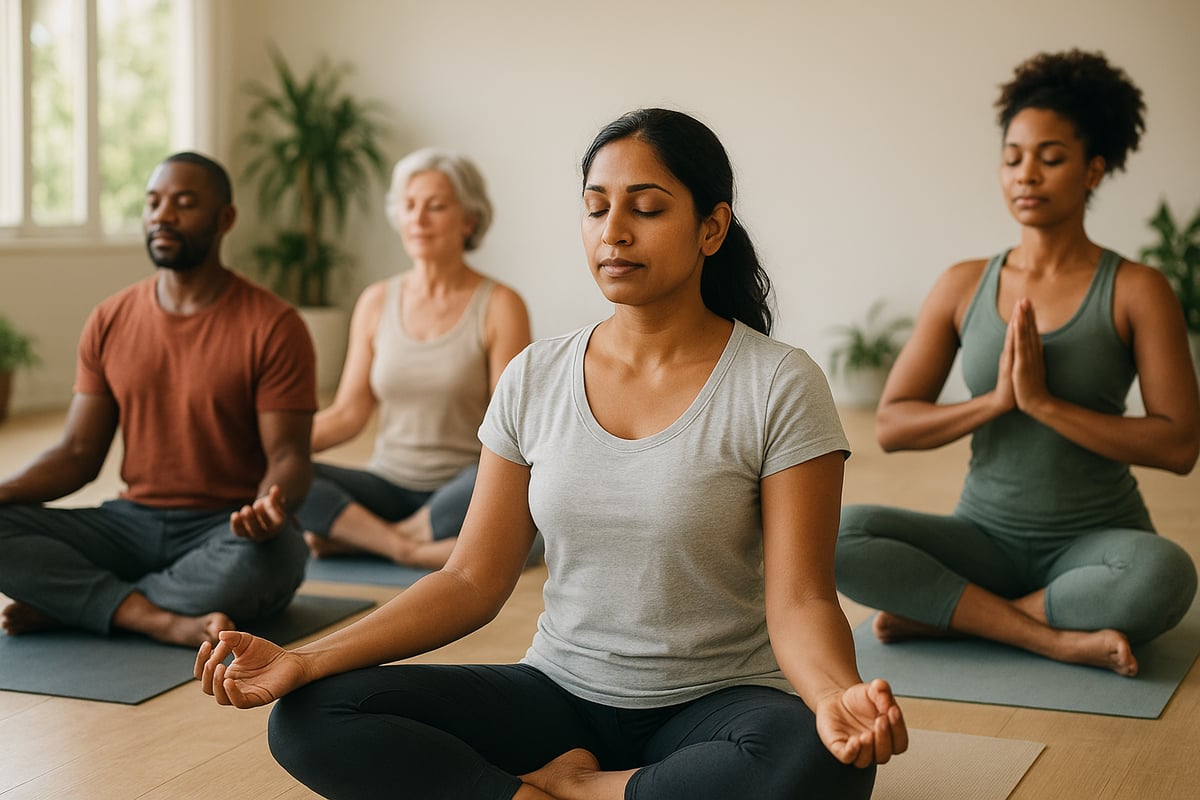
Throughout history, holistic wellbeing has evolved from ancient healing traditions to modern integrative medicine. Ancient cultures relied on herbal remedies, spiritual practices, and community rituals to promote health. Today, these timeless principles are woven into contemporary wellness programs, where empowerment wellness blends the best of traditional wisdom with scientific advances. This evolution reflects a growing recognition that health is multi-dimensional and interconnected.
The core components of holistic wellbeing form the pillars of lifelong vitality. These include physical, mental, emotional, social, and spiritual wellness. Each element is essential for overall health, and together they create a resilient foundation. Self-awareness is the key to understanding how these components interact, enabling each person to tailor their empowerment wellness journey.
| Core Component | Description |
|---|---|
| Physical | Movement, nutrition, and rest |
| Mental | Cognitive health and mindset |
| Emotional | Resilience and emotional intelligence |
| Social | Relationships and community |
| Spiritual | Purpose, values, and meaning |
Scientific research supports the benefits of holistic approaches. Studies show that participation in wellness programs, such as yoga and meditation classes at local centers like People's Place, leads to improved health outcomes. In fact, 75% of participants in community wellness initiatives report a higher quality of life. The empowerment wellness model integrates evidence-based care, as seen in the Holistic Chiropractic Wellness Approach, which addresses root causes and promotes sustainable change.
Prevention and proactive self-care are central to holistic wellbeing. By focusing on early intervention, lifestyle adjustments, and continuous self-reflection, individuals can reduce health risks and enhance their overall quality of life. Empowerment wellness is not a one-time effort but an ongoing commitment to making informed choices, building resilience, and nurturing every aspect of the self. This comprehensive foundation prepares each person to thrive in a rapidly changing world.
Empowerment: The Key to Personal Wellness Transformation
Empowerment wellness is at the heart of personal transformation, giving individuals the confidence and tools to lead healthier, more fulfilling lives. It means taking ownership of your wellness journey, making informed decisions, and actively participating in your self-care.
At its core, empowerment wellness is about fostering a sense of agency. When you feel empowered, you believe in your ability to influence your health outcomes. This mindset is rooted in the psychology of self-efficacy, where you trust your inner resources and motivation to drive positive change. Research shows that people with high self-efficacy are more likely to adopt and maintain healthy behaviors.
Setting realistic health goals is a cornerstone of empowerment wellness. Rather than aiming for perfection, focus on achievable steps that align with your values and lifestyle. For example, you might start with a commitment to walk for 20 minutes daily or prepare one balanced meal each day. These small, consistent actions build momentum and confidence over time.
Education and skill-building play a significant role in empowerment wellness. Community wellness centers often offer free workshops, classes, and coaching sessions that equip you with practical knowledge. Learning about nutrition, movement, and stress management empowers you to make choices that support your wellbeing. These resources create a supportive environment where you can ask questions, share experiences, and learn from others.
Consider the impact of empowerment wellness through real-life examples. Many individuals have overcome chronic health challenges by embracing empowerment principles. For instance, someone with long-term back pain might attend a series of workshops on posture, movement, and self-care. With new skills and ongoing support, they regain control over their health and experience a dramatic improvement in quality of life.
Data underscores the power of empowerment wellness. Studies reveal that empowered patients are twice as likely to maintain healthy behaviors compared to those who feel passive or disengaged. This advantage is even more significant when individuals have access to community resources, peer support, and professional guidance.
Overcoming barriers is essential for sustainable wellness transformation. Common obstacles include fear of failure, confusion from conflicting information, and limited access to resources. Empowerment wellness addresses these challenges by promoting education, fostering open dialogue, and connecting individuals with supportive networks. For example, organizations like community wellness centers and their dedicated teams provide guidance and encouragement. You can meet the experts behind these initiatives and learn more about available support by visiting the Meet the Empowerment Wellness Team.
The journey toward empowerment wellness is unique for everyone, but the underlying principles remain the same. By setting clear goals, seeking education, building supportive connections, and believing in your capacity for change, you can transform your health and wellbeing in lasting ways.

The Pillars of Empowerment Wellness: Step-by-Step Guide
Achieving holistic health in 2026 requires a structured, actionable approach. Empowerment wellness is about more than adopting healthy habits. It is a transformative process that guides you to take control of your physical, mental, and emotional wellbeing.
This step-by-step guide breaks down the pillars of empowerment wellness. Each step is designed to help you build resilience, confidence, and a sustainable sense of vitality. By following these steps, you can create a personalized roadmap for lifelong health.
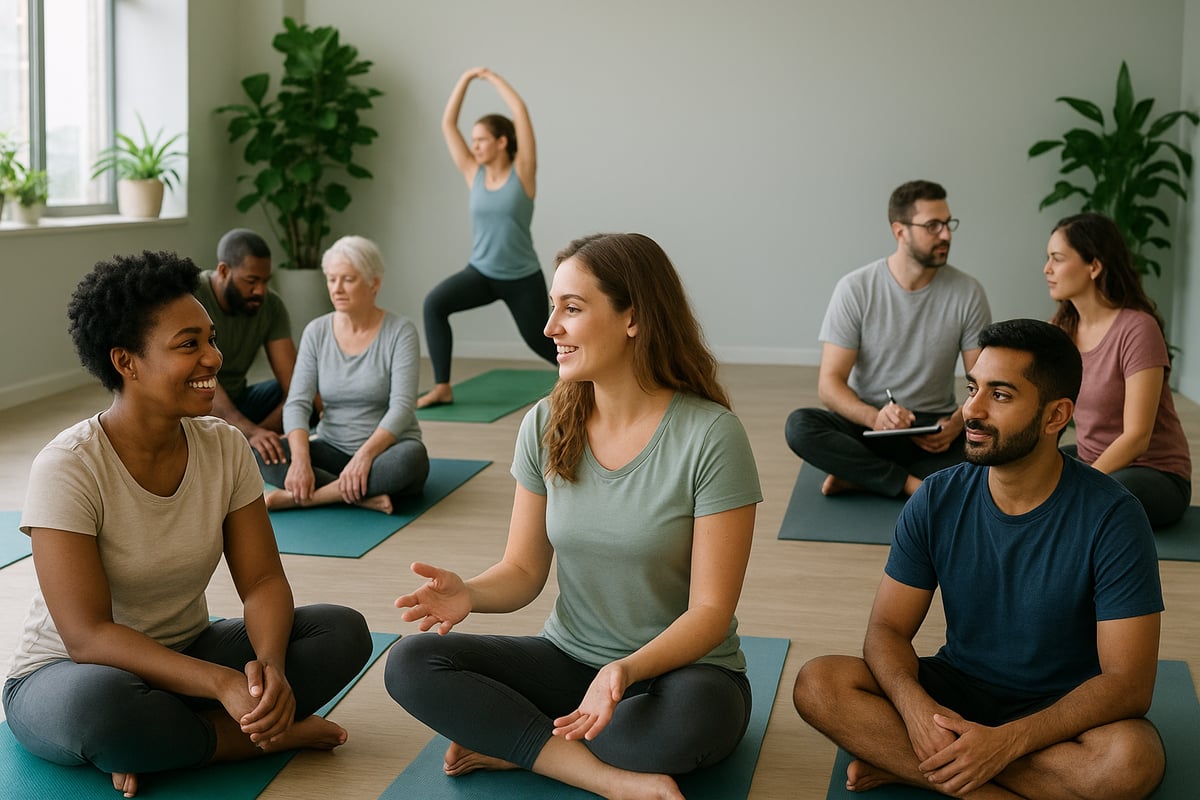
Seven Steps to Empowerment Wellness
-
Self-Assessment and Awareness
Start by reflecting on your current health. Identify your strengths and areas for growth. Self-awareness is the cornerstone of empowerment wellness, allowing you to make informed decisions and set realistic intentions. -
Setting SMART Health and Wellness Goals
Define specific, measurable, achievable, relevant, and time-bound goals. Break large objectives into smaller, actionable steps. This clarity fosters intrinsic motivation and keeps you focused. -
Building a Support System
Seek out encouragement from family, friends, and local wellness communities. Group classes and support networks enhance commitment and accountability, both essential for empowerment wellness. -
Integrating Movement
Choose activities that suit your lifestyle, such as yoga, tai chi, dance, or functional fitness. Regular movement is vital for both physical and mental health, reinforcing your empowerment wellness journey. -
Nutrition for Vitality
Embrace a balanced, whole-food diet. Participate in nutrition education or cooking classes to develop practical skills. Nutrition is a foundation of empowerment wellness, fueling energy, mood, and resilience. -
Mindfulness and Stress Management
Incorporate mindfulness practices like meditation, breathwork, or restorative yoga. These techniques help regulate emotions, reduce stress, and support emotional stability within empowerment wellness. -
Tracking Progress and Celebrating Milestones
Use journals, wellness apps, or self-assessments to monitor your journey. Celebrate achievements, no matter how small. Recognizing progress boosts confidence and sustains momentum.
Summary Table: Steps and Benefits
| Step | Key Benefit |
|---|---|
| Self-Assessment and Awareness | Informed decisions |
| SMART Goal Setting | Focused motivation |
| Support System | Accountability and encouragement |
| Integrating Movement | Physical and mental vitality |
| Nutrition for Vitality | Energy and mood improvement |
| Mindfulness and Stress Management | Emotional resilience |
| Tracking Progress | Sustained empowerment wellness |
Movement and Physical Activity
Regular movement is a central pillar of empowerment wellness. Physical activity supports cardiovascular health, strengthens muscles, and enhances mental clarity. Whether you prefer yoga, tai chi, dance fusion, or restorative stretching, there is a movement style for everyone.
Classes like Fitness Fun for Everyone and Global Dance Fusion offer inclusive environments where all skill levels can thrive. These group sessions foster community, motivation, and enjoyment. Studies show that consistent movement reduces the risk of chronic disease by 30 percent, making it a powerful tool for empowerment wellness.
Physical activity also boosts mood, relieves stress, and encourages social connection. By integrating movement into your weekly routine, you actively invest in your overall wellbeing.
Nutrition and Dietary Empowerment
Nutrition is a cornerstone of empowerment wellness. A balanced, nutrient-rich diet fuels your body and mind, supporting energy, focus, and emotional stability. Access to nutritional guidance and interactive workshops empowers individuals to make informed dietary choices.
Free-Style Cooking workshops and functional medicine sessions help participants develop practical skills for healthy eating. According to wellness program data, nutritional interventions improve energy and mood in 70 percent of participants. If you are seeking expert advice, consider exploring Nutrition and Wellness Guidance for actionable strategies and education.
Personalized nutrition plans are especially effective, as they consider your unique needs, preferences, and health goals. Empowerment wellness means taking charge of what fuels your journey.
Mindfulness, Meditation, and Emotional Resilience
Mindfulness practices are essential for emotional balance and stress reduction within empowerment wellness. Meditation, sound baths, breathwork, and restorative yoga are evidence-based techniques that support mental clarity and resilience.
Community sessions like Meditation and Dharma Club create a safe space for self-exploration and growth. Mindfulness-based interventions have been shown to decrease depression symptoms by 35 percent, underscoring their value in empowerment wellness.
By making mindfulness a daily habit, you enhance your capacity to navigate challenges, regulate emotions, and maintain a positive outlook. These tools are invaluable for sustaining holistic wellbeing.
Community, Connection, and Support Systems
Strong community ties are the backbone of empowerment wellness. When individuals connect, share experiences, and support each other, they reinforce positive habits and create a sense of belonging. Research consistently shows that group wellness activities boost motivation and adherence. In fact, participants in empowerment wellness groups are 50% more likely to maintain their routines compared to those who go it alone.
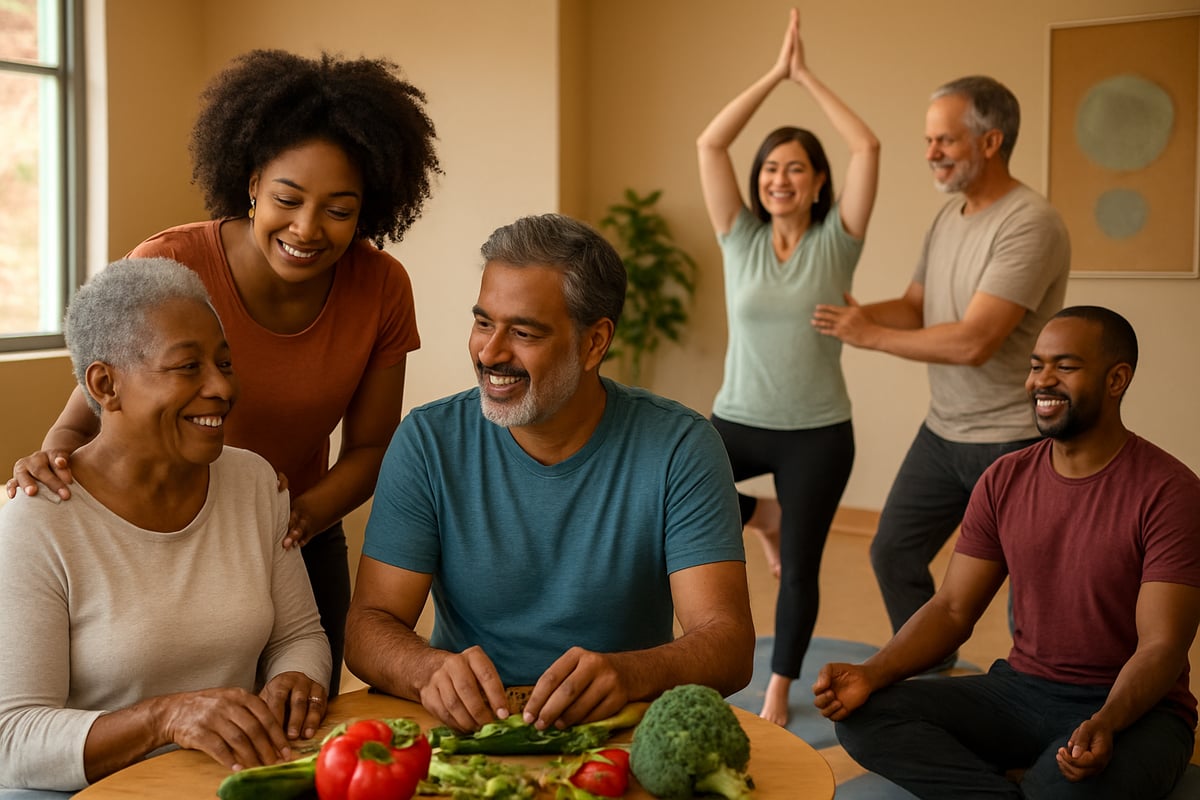
The Power of Community in Empowerment Wellness
Local resources are essential for empowerment wellness. Wellness centers, food pantries, and community cafes offer access to nutritious food, physical activities, and educational workshops. These spaces foster connection and make it easier for individuals to start and maintain healthy habits.
Community events, such as group fitness classes, nutrition seminars, and volunteer opportunities, also provide a platform for learning and engagement. By participating in these activities, people build supportive relationships and feel more confident about their wellness journey.
Local Resources and Group Support
Group classes and peer support are key pillars of empowerment wellness. Whether it is yoga, dance, or mindfulness workshops, participating in shared activities creates accountability and motivation. Group settings encourage individuals to celebrate milestones together and overcome challenges as a team.
Support groups and workshops address specific wellness goals, from stress reduction to healthy eating. These resources not only provide practical skills but also nurture a sense of unity among participants. Many find that group involvement transforms their perspective on wellness.
Digital Communities and Online Connections
Technology has expanded the reach of empowerment wellness. Digital platforms, such as online forums and virtual support groups, connect individuals regardless of location. These networks allow for the sharing of experiences and resources, offering guidance and encouragement around the clock.
Emerging trends highlight the importance of digital wellness communities. According to the Integrative Health and Wellness Trends 2025, more people are turning to online platforms for holistic health support. This shift increases accessibility and allows for personalized connections within the empowerment wellness movement.
Building Accountability and Lasting Wellness Habits
Sustaining empowerment wellness requires ongoing connection and accountability. Building lasting relationships within community groups or digital networks helps individuals stay committed to their goals. Regular check-ins, shared progress tracking, and mutual encouragement are effective strategies.
To get involved, start by exploring local wellness centers, joining group classes, or participating in online forums. Volunteering at community events or attending workshops can also deepen your engagement. By prioritizing connection, you create a solid foundation for lifelong wellness.
Future Trends in Holistic Wellbeing and Empowerment (2026 and Beyond)
The landscape of empowerment wellness is evolving rapidly as we move into 2026 and beyond. With new technology, expanding access, and personalized approaches, individuals have more opportunities than ever to take charge of their holistic wellbeing.
Technology Revolutionizes Empowerment Wellness
Digital innovation is transforming empowerment wellness. Wearables now track stress, sleep, and nutrition in real time, helping users make informed decisions about their health. Telehealth and virtual coaching deliver expertise to people no matter their location, removing barriers to care.
Wellness apps are surging in popularity. These tools offer guided meditation, daily movement reminders, and custom nutrition plans. Research shows that mindfulness apps reduce anxiety and depression, making them a valuable resource for holistic wellbeing. As technology continues to advance, empowerment wellness will become more accessible and data-driven.
Alternative Approaches and Personalization
Alternative modalities are gaining momentum in empowerment wellness. Energy healing, sound therapy, and functional medicine are being integrated into mainstream wellness programs. These approaches support the mind, body, and spirit, echoing holistic traditions while embracing new science.
Personalized wellness is also on the rise. Genetic insights, biomarker analysis, and individual health assessments make it possible to tailor empowerment wellness plans to each person’s unique needs. This trend ensures that interventions are both effective and sustainable, empowering individuals to achieve lasting wellbeing.
Community Access and Lifelong Education
Access to empowerment wellness is expanding through community-focused initiatives. Wellness centers, food pantries, and cafés now offer free and low-cost programs, promoting inclusivity and proactive self-care. Classes cover everything from yoga and nutrition to astrology, meeting the diverse interests of local communities.
Education is at the heart of empowerment wellness. Workshops, online courses, and peer-led support groups foster lifelong learning. These resources help people build confidence, break down misinformation, and stay motivated in their wellness journeys.
Looking Ahead: The Future of Empowerment Wellness
By 2026, 80% of wellness centers plan to expand digital offerings, making empowerment wellness more flexible and interactive. The next decade will likely bring further integration of technology, deeper personalization, and broader community engagement.
To stay ahead, individuals should remain open to learning and adapt to new resources as they emerge. Empowerment wellness is not a destination but an ongoing process of growth, connection, and self-discovery. Embracing these trends ensures a healthier, more empowered future for all.
Taking the first steps toward holistic wellbeing can feel overwhelming, but remember, you are not alone on this journey. We’ve explored how empowerment, personalized care, and community support create a strong foundation for lasting health. If you’re ready to experience a wellness model that addresses your unique needs and helps you achieve your fullest potential, let’s take the next step together. Our team is here to guide you with advanced diagnostic tools, specialized treatments, and compassionate support every step of the way.
Schedule Your Appointment Today
and start your path to holistic vitality.