
Imagine stepping into 2026 feeling more centered, balanced, and resilient than ever. This guide is designed to help you become truly centered on wellness by offering a clear, actionable roadmap for lasting balance. You will discover how to define wellness, explore the latest trends, and build your foundation using proven pillars of health. With step-by-step strategies tailored for the coming year, you will learn how to integrate wellness into your daily routine. Ready to transform your life and achieve holistic well-being in 2026? Let us begin your journey toward a balanced future.
Understanding Wellness in 2026: Definitions, Trends, and Importance
The journey to becoming truly centered on wellness requires an understanding of what wellness means in 2026. Today, wellness extends far beyond physical health, evolving into a dynamic, holistic pursuit. As we enter a new era, being centered on wellness means embracing a multidimensional approach that addresses every aspect of our lives.
The Evolving Definition of Wellness
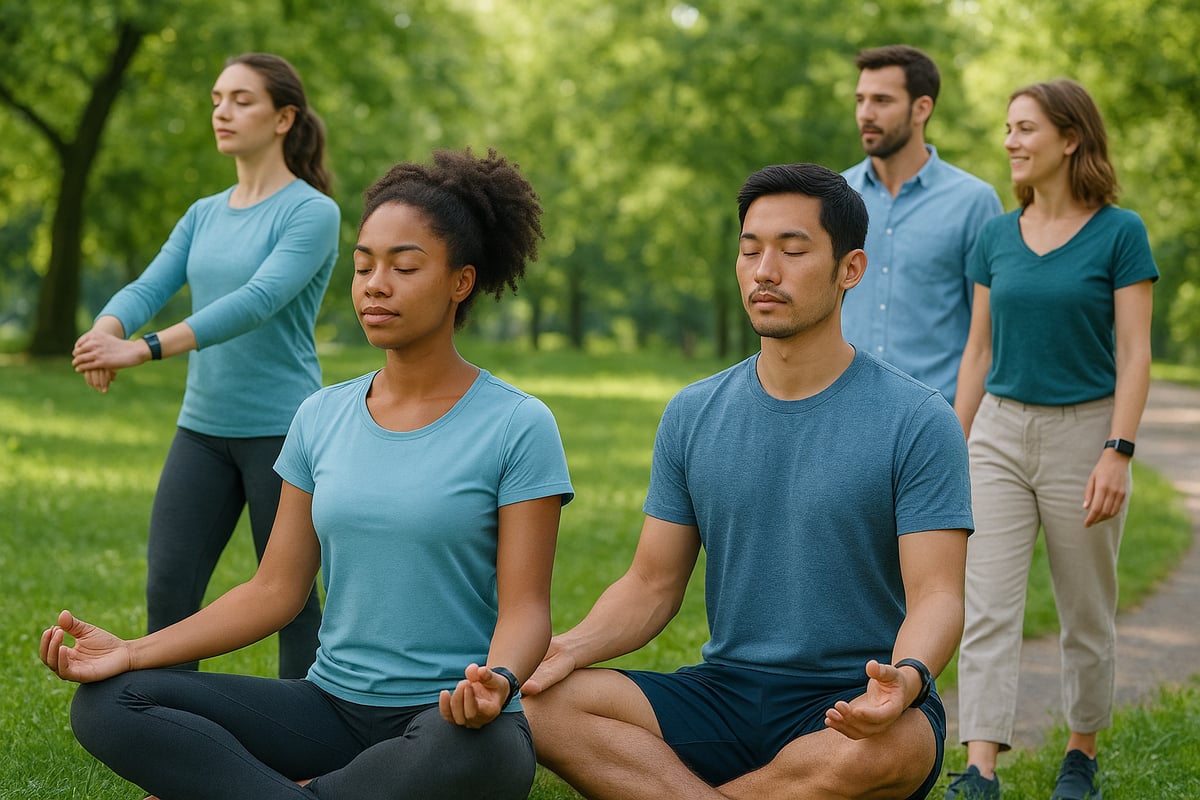
In 2026, the definition of wellness is more comprehensive than ever. It integrates physical, mental, emotional, social, and environmental health. Wellness is now seen as a proactive, ongoing process, not just the absence of illness. The concept of centered on wellness is about taking charge of your well-being on every level.
Health organizations have updated their frameworks to reflect this shift. The World Health Organization emphasizes wellness as a dynamic state of complete physical, mental, and social well-being. The Centers for Disease Control and Prevention (CDC) highlights the importance of seven key dimensions, from physical and emotional health to occupational and spiritual fulfillment. For a deeper dive, you can explore the CDC’s Definition of Wellness, which outlines these dimensions in detail.
This expanded view means that being centered on wellness involves intentional actions in all areas of life, creating a foundation for lasting balance and resilience.
Key Wellness Trends Shaping 2026
The landscape of wellness is rapidly evolving, with several trends shaping how we approach balance in 2026. Personalized wellness plans, powered by artificial intelligence and data analytics, are making it easier for individuals to tailor their routines. Digital health tools, such as wearables and wellness apps, now track everything from sleep patterns to stress levels.
Holistic approaches are gaining traction, combining mindfulness, nutrition, movement, and lifestyle medicine. Community-based wellness initiatives are also on the rise, fostering support networks and shared accountability. These trends reflect a growing recognition that centered on wellness is not a one-size-fits-all journey. Instead, it is about leveraging available tools and community connections to create a plan that works for you.
As these innovations become mainstream, they are making it more accessible for everyone to stay centered on wellness, regardless of background or lifestyle.
Why Wellness Matters Now More Than Ever
The importance of being centered on wellness has never been clearer. Recent statistics reveal that over 60% of adults report increased stress levels following the pandemic, leading to higher rates of burnout and chronic health issues. Chronic stress can negatively impact not only health but also productivity and relationships.
Organizations are responding by investing in comprehensive wellness programs, which have been shown to reduce sick days by 25%. This demonstrates the role that a centered on wellness approach can play in boosting resilience and well-being during uncertain times.
Ultimately, prioritizing wellness is essential for navigating the challenges of modern life. When you are centered on wellness, you build the foundation for a healthier, more balanced future.
The Five Pillars of Balance: Building Your Wellness Foundation
Achieving a truly centered on wellness lifestyle in 2026 begins with understanding the five foundational pillars that support overall balance. Each pillar contributes uniquely to your health, resilience, and sense of fulfillment. By focusing on these interconnected areas, you can create a personalized approach that is both sustainable and empowering.
Physical Wellness: Movement, Nutrition, and Rest
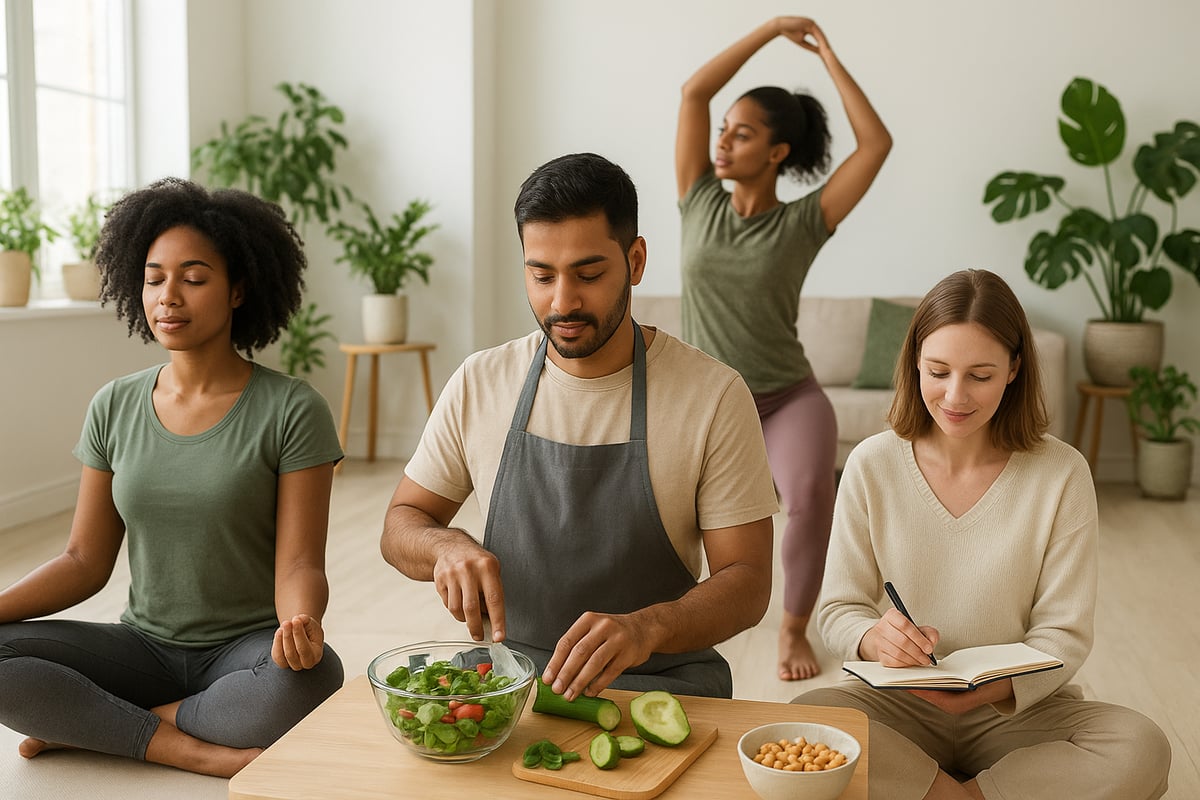
Physical wellness is the cornerstone of a centered on wellness lifestyle. Regular movement, balanced nutrition, and quality rest work together to energize your body and mind. Experts recommend at least 150 minutes of moderate activity each week, such as brisk walking, yoga, or cycling.
Nutrition plays a crucial role in supporting your body’s needs. Emphasize whole foods, plant-forward meals, and hydration. For practical strategies, explore Nutrition for holistic wellness, which offers actionable tips to optimize your diet for balance. Prioritize sleep hygiene by maintaining a consistent schedule, limiting screen time before bed, and creating a restful environment.
Mental and Emotional Wellness: Mindfulness, Stress Management, and Self-Care
A centered on wellness routine requires nurturing your mind and emotions. Mindfulness practices like meditation, breathwork, and digital detoxes help you stay present and reduce stress. Cognitive-behavioral techniques can reframe negative thoughts and build resilience.
Self-care is essential for emotional stability. Set boundaries, practice self-compassion, and seek out activities that bring joy. Developing emotional intelligence allows you to recognize and respond to your feelings in healthy ways. These habits form the basis for lasting mental and emotional balance.
Social Wellness: Connection and Community
Social wellness is a vital component of a centered on wellness journey. Meaningful relationships and community connections have a direct impact on your health and longevity. Research shows that social isolation increases the risk of heart disease by nearly 29 percent.
To strengthen your social foundation, engage in group activities, volunteer, or join support networks. Prioritize quality time with loved ones, practice active listening, and offer support to others. These efforts foster belonging and create a safety net during challenging times.
Environmental Wellness: Creating Supportive Spaces
Your environment shapes your centered on wellness experience. Supportive spaces promote relaxation, focus, and productivity. Start by decluttering your living and work areas to reduce stress and distraction.
Incorporate biophilic design by adding plants and maximizing natural light. Improve air quality with purifiers or regular ventilation. Many companies now invest in green spaces to support employee wellness, recognizing the profound effect of surroundings on well-being.
Spiritual Wellness: Purpose and Meaning
Spiritual wellness completes the centered on wellness foundation. It involves exploring your values, beliefs, and sense of purpose. Individuals with a strong sense of meaning often experience greater satisfaction and longevity.
Cultivate spiritual health through practices like journaling, expressing gratitude, and spending time in nature. Reflect on what matters most to you and seek opportunities for personal growth. This pillar empowers you to navigate life’s changes with clarity and confidence.
Step-by-Step Guide to Achieving Balance in 2026
Embarking on a centered on wellness journey in 2026 requires a clear, practical approach. This step-by-step guide breaks down the process into manageable actions, empowering you to build sustainable habits and achieve lasting balance. Each step is grounded in evidence-based strategies and tailored to help you thrive in the year ahead.
Step 1: Self-Assessment and Goal Setting
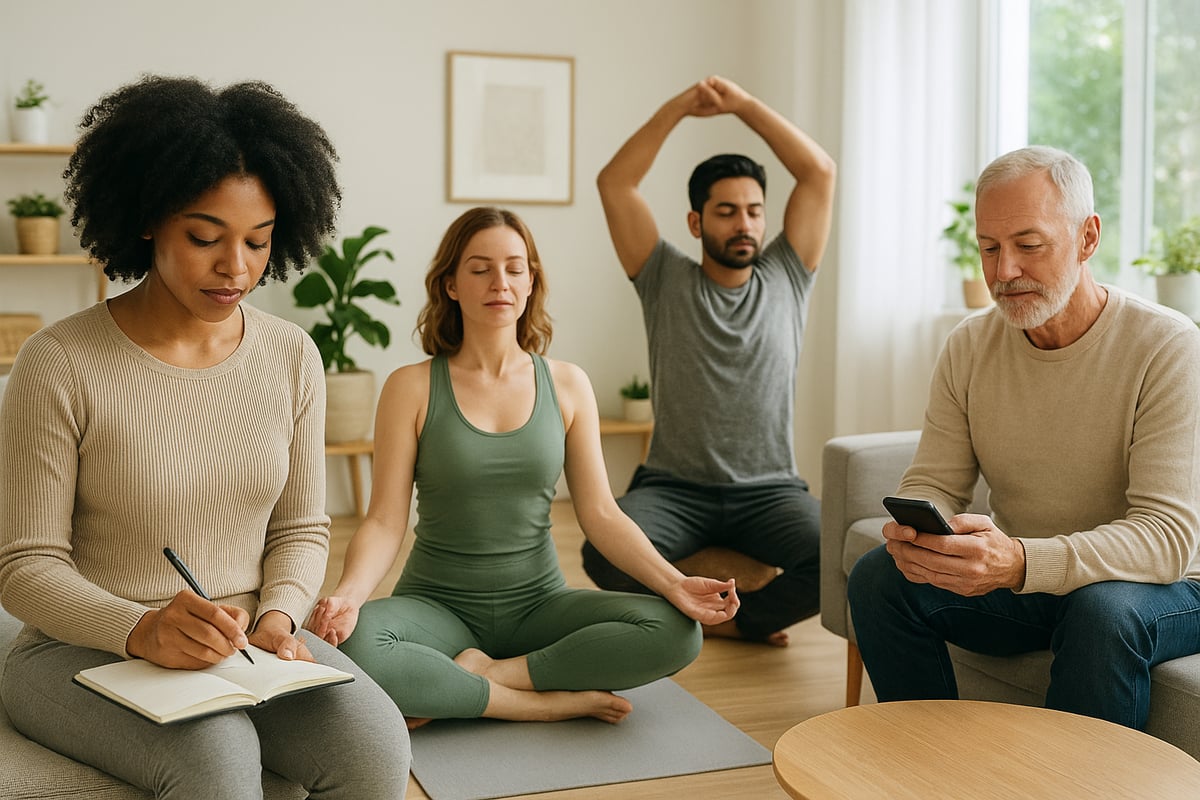
The first step in your centered on wellness plan is honest self-reflection. Begin by evaluating your physical, mental, and emotional health. Use tools like the wellness wheel or digital self-assessment apps to identify your strengths and areas for growth.
Set SMART goals: Specific, Measurable, Achievable, Relevant, and Time-bound. For example, if stress management is a priority, a SMART goal could be, "Practice 10 minutes of guided meditation daily for 30 days." This clarity ensures your intentions align with your centered on wellness vision.
List your current habits and note which support or hinder your well-being. Remember, change starts with awareness. By defining your starting point, you create a solid foundation for progress.
Step 2: Building Your Personalized Wellness Plan
With your goals set, it's time to design a tailored plan. Today, technology makes it easier than ever to personalize every aspect of your centered on wellness journey. AI-driven wellness platforms and fitness trackers analyze your data, offering recommendations for nutrition, movement, and stress reduction.
Explore digital tools that provide custom meal plans, exercise routines, and sleep suggestions. For a deeper dive into how technology can optimize your plan, discover the AI-Driven Personalized Health Plans shaping the future of individualized care.
Choose practices that fit your needs and preferences. Whether you prefer yoga, strength training, or mindful eating, ensure your plan is flexible and enjoyable.
Step 3: Integrating Mindfulness and Stress Reduction
Mindfulness is a cornerstone of centered on wellness. Incorporate daily routines like guided meditation, mindful walking, or breathwork to reduce stress and increase focus. Even five minutes each morning can make a significant difference.
Use top-rated mindfulness and meditation apps to access guided sessions and track your progress. Journaling your thoughts and feelings is another effective way to process emotions and gain clarity.
If digital overload is a concern, schedule regular digital detox periods. Unplugging from screens helps restore mental balance and supports your centered on wellness goals.
Step 4: Optimizing Physical Health
Physical health is fundamental to a centered on wellness lifestyle. Aim for at least 150 minutes of moderate activity each week, as recommended by the CDC. Mix cardio, strength training, and flexibility exercises for well-rounded benefits.
Prioritize nutrition with balanced, plant-forward meals. Meal prepping can save time and help you stay consistent. Hydration is equally important—aim for at least eight cups of water daily.
Quality sleep underpins all aspects of health. Establish a bedtime routine, minimize screen exposure before bed, and consider using sleep tracking tools to monitor your rest. These habits will keep you energized and focused on your centered on wellness path.
Step 5: Strengthening Social and Emotional Connections
Human connection is essential for a centered on wellness mindset. Nurture relationships with family, friends, and colleagues. Join wellness communities, support groups, or clubs to expand your social network.
Practice active listening and empathy in daily conversations. Volunteering or participating in group activities can boost your sense of belonging.
If you feel isolated, reach out to others or seek out online communities. Building strong social ties not only enhances emotional well-being, it also supports your overall centered on wellness objectives.
Step 6: Enhancing Your Environment for Wellness
Your surroundings play a pivotal role in how you feel each day. Start by decluttering and organizing your home or workspace. Incorporate natural elements like plants and maximize natural light to uplift your mood.
Optimize ergonomics for comfort and productivity. Limit digital distractions by setting boundaries on device usage. Schedule wellness breaks throughout your day for stretching, breathing exercises, or brief walks.
A supportive environment helps reinforce your centered on wellness habits, making healthy choices the default option.
Step 7: Tracking Progress and Adjusting Your Plan
Consistency is key to achieving a centered on wellness lifestyle. Use wellness journals or digital dashboards to monitor your habits, moods, and achievements. Regularly review your progress and adjust your plan as needed.
Celebrate milestones, no matter how small. If you encounter setbacks, view them as opportunities to learn and recalibrate. Stay flexible and remember, lasting balance is an ongoing journey.
By following these steps, you will create a sustainable, centered on wellness routine that adapts to your needs and supports your well-being through 2026 and beyond.
Integrating Wellness into Everyday Life: Practical Strategies for Sustainability
Embracing a centered on wellness lifestyle means weaving healthy routines into your daily fabric. True sustainability comes not from drastic overhauls, but from small, steady shifts that turn wellness into second nature. The following strategies empower you to make balance an achievable, lasting part of your life.
Making Wellness a Habit, Not a Chore
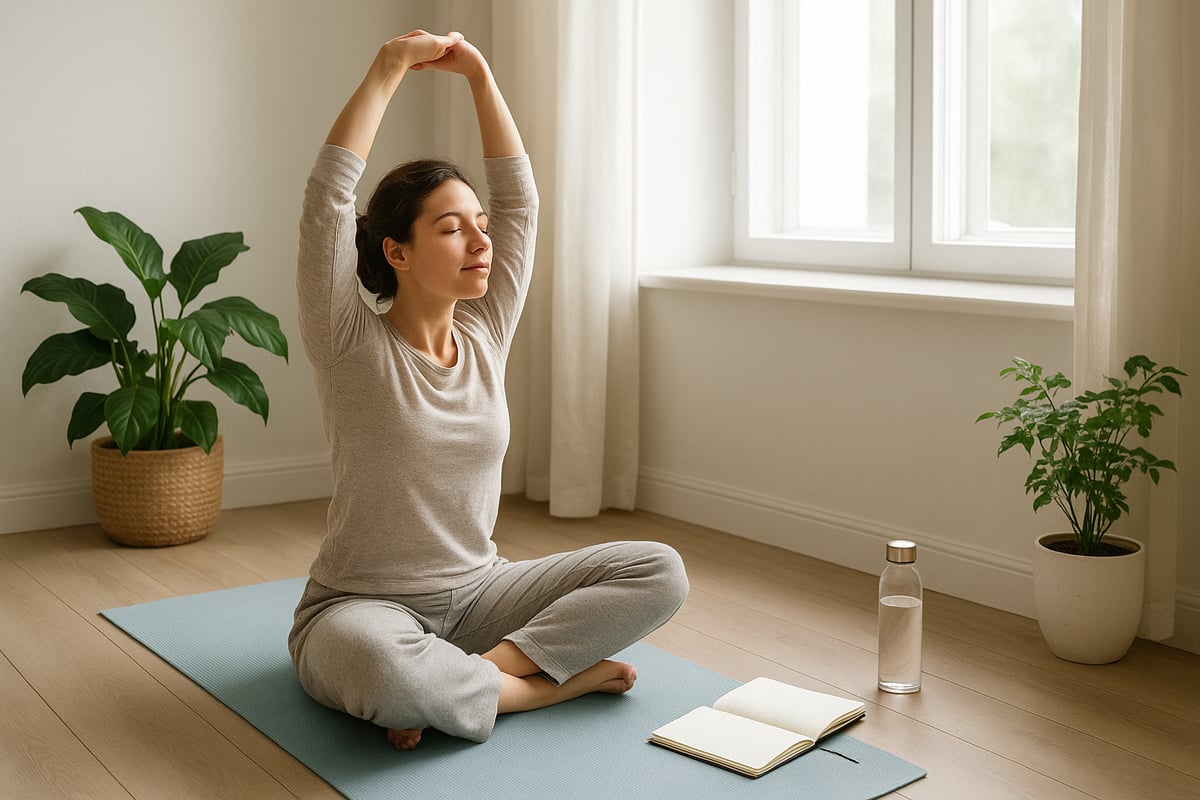
Transforming your routine begins with making each practice feel natural. Habit stacking links new actions to established behaviors, such as practicing deep breathing after brushing your teeth. Micro-habits—like a five-minute morning stretch or jotting down three things you are grateful for—build momentum without overwhelming your schedule.
Consider incorporating yoga or mindfulness techniques into your day. Small, consistent efforts reinforce your centered on wellness commitment. For practical inspiration, explore Yoga and mindfulness practices that fit seamlessly into busy lifestyles.
Focus on progress, not perfection. By integrating wellness into moments you already have, each positive choice becomes an effortless step toward balance.
Overcoming Common Barriers to Balance
Even the most motivated individuals face obstacles on the path to a centered on wellness lifestyle. Time constraints often top the list, but efficient practices—like meal prepping or brief walks—make a difference. If motivation wanes, connect with an accountability partner or set up small rewards for reaching milestones.
When setbacks occur, reframe them as opportunities for feedback, not failure. Adjust your approach instead of abandoning your goals. Remember, every day is a chance to renew your centered on wellness mindset.
Create a list of quick, go-to strategies for busy days. This ensures you always have a toolkit ready to support your wellness journey, no matter the circumstances.
Leveraging Technology for Daily Wellness
Digital tools can be powerful allies in your centered on wellness approach. Wellness apps track your habits, remind you to hydrate, and provide guided meditations at your fingertips. Wearables monitor sleep, activity, and even stress, offering real-time feedback to guide adjustments.
Online communities connect you with like-minded individuals for support and inspiration. These networks foster accountability and provide encouragement when you need it most. Curate your digital environment to align with your centered on wellness goals, using technology to simplify and reinforce healthy routines.
Stay open to new tools and resources as they emerge, making technology a partner in your pursuit of lasting balance.
Personalizing Your Wellness Journey
No two centered on wellness journeys are exactly alike. Life changes, and your practices should adapt accordingly. Listen to your body’s signals—whether you need more rest, a change in activity, or a different approach to self-care.
Adjust routines during travel or stressful periods to maintain consistency without rigidity. Flexibility is key; what works today may evolve as your needs shift. Keep a wellness journal to reflect on what supports your balance most effectively.
Ultimately, personalization ensures your centered on wellness strategy remains relevant, enjoyable, and sustainable for years to come.
Expert Insights: The Future of Wellness and Staying Balanced in a Changing World
Imagine a future where centered on wellness is no longer a fleeting goal, but a sustainable lifestyle. As we look ahead to 2026, wellness experts foresee a landscape shaped by innovation and holistic thinking. The future of wellness is not just about individual habits, but about harnessing advanced tools and collective wisdom to adapt and thrive.
Predictions from Wellness Professionals
Wellness professionals predict that the coming years will bring remarkable advancements in personalized care. AI-driven platforms will tailor recommendations to your unique needs, making centered on wellness more accessible than ever before. Integrative health models will bridge traditional and alternative therapies, offering a comprehensive approach that addresses the whole person.
Emerging trends such as precision nutrition, wearable health devices, and nervous system regulation are gaining momentum. For a deeper dive into these developments, explore the Wellness Trends 2026 report, which highlights the innovations set to shape our collective health journey.
The Role of Community and Professional Support
Staying centered on wellness is not a solo endeavor. Community and professional support play a pivotal role in sustaining balance. Certified practitioners and wellness teams offer guidance, accountability, and expertise throughout your journey.
Many are turning to community clinics and corporate wellness programs for structured support. To see how a dedicated team can personalize your path, meet the professionals behind successful journeys at Meet the wellness team. Their collaborative approach empowers individuals to achieve lasting results.
Fostering Resilience and Adaptability
In a world of constant change, fostering resilience is essential for staying centered on wellness. Building adaptability skills prepares you to navigate uncertainty and maintain well-being despite external stressors.
Key resilience skills include:
- Mindful stress management
- Emotional regulation
- Flexible thinking
- Social connection
Recent data shows that resilient individuals report 40 percent higher life satisfaction, underlining the value of these practices for long-term balance.
Embracing Lifelong Learning and Growth
To remain centered on wellness, ongoing education is vital. The wellness landscape evolves rapidly, with new research and tools emerging each year. Engaging in webinars, workshops, and self-study keeps your knowledge current and your practices effective.
Prioritizing learning fosters growth and adaptability, ensuring that your wellness journey remains dynamic and fulfilling. Staying informed helps you respond proactively to change and seize new opportunities for balance.
Resources and Tools for Your Wellness Journey
Finding the right resources is essential for anyone committed to a centered on wellness lifestyle. The right tools, communities, learning materials, and professional support can turn intentions into sustainable habits. Explore these key resources to strengthen your wellness foundation in 2026.
Self-Assessment and Planning Tools
Begin your centered on wellness journey by evaluating your current habits and setting clear goals. Wellness wheels, habit-tracking journals, and digital dashboards help visualize progress and pinpoint growth areas. For a more tailored approach, consider using AI-powered platforms like SePA: AI for Personalized Health Coaching, which combines expert content and machine learning to create adaptive, evidence-based plans.
- Wellness wheels for holistic self-assessment
- Journals and habit trackers for daily reflection
- Digital apps for progress monitoring and reminders
These tools empower you to take charge of your wellness, making each step intentional and measurable.
Top Wellness Communities and Support Networks
Support is crucial for maintaining balance. Join online forums, local groups, or global wellness networks to connect with others on a centered on wellness path. The Global Wellness Institute’s online platforms are excellent for sharing experiences and accessing expert guidance.
- Social media groups for motivation and accountability
- Local meetups and workshops for real-world connection
- Online platforms for expert Q&A and community challenges
Engaging with a supportive network makes it easier to stay motivated and overcome obstacles.
Evidence-Based Reading and Learning Materials
Continuous learning is vital for a centered on wellness approach. Trusted organizations like the World Health Organization (WHO), CDC, and Mayo Clinic offer up-to-date research and guidelines. Expand your knowledge with recommended books, podcasts, and articles focused on holistic health.
- Books on mindfulness, nutrition, and movement
- Podcasts featuring wellness experts and real-life stories
- Research articles from reputable health organizations
Staying informed helps you adapt your wellness plan as new evidence emerges.
Professional Support and Guidance
At times, professional help is essential for overcoming challenges or reaching new goals. Certified wellness coaches, nutritionists, therapists, and chiropractors offer personalized strategies to align your centered on wellness journey with expert insights. For example, exploring the benefits of chiropractic care can support physical wellness and alignment.
- Directory of certified wellness professionals
- When to seek specialized guidance for complex needs
- Ongoing support for sustainable lifestyle changes
Leveraging professional expertise ensures your wellness plan remains safe, effective, and aligned with your unique needs.
As you look ahead to a more balanced and fulfilling 2026, remember that true wellness is about making small, consistent choices that fit your unique needs and lifestyle. We’re here to support you every step of the way, offering personalized chiropractic care rooted in advanced diagnostics and tailored plans that address your whole well-being. If you’re ready to take the next step on your path to lasting health and vitality, I invite you to Schedule Your Appointment Today. Together, we can build a foundation for lifelong balance and resilience.