
Imagine stepping into your home and feeling immediate calm, renewed energy, and genuine ease without needing to visit a spa or gym. In the evolving landscape of 2026, at home wellness is more than a trend—it is a lifestyle shift that empowers you to transform any living space into a personal sanctuary for mind and body.
This article explores seven innovative at home wellness ideas, each designed to elevate your daily environment. From sensory enhancements to mindful design, you will discover practical strategies to boost your well-being every day. Start your journey to a healthier, more balanced life within the comfort of your own home.
The Rise of At-Home Wellness in 2026
The landscape of at home wellness is evolving rapidly as we approach 2026. More people are prioritizing their health by transforming living spaces into nurturing environments. This shift is fueled by a desire for holistic well-being, convenience, and the ability to support both mind and body from the comfort of home.
Wellness Trends Shaping Home Environments
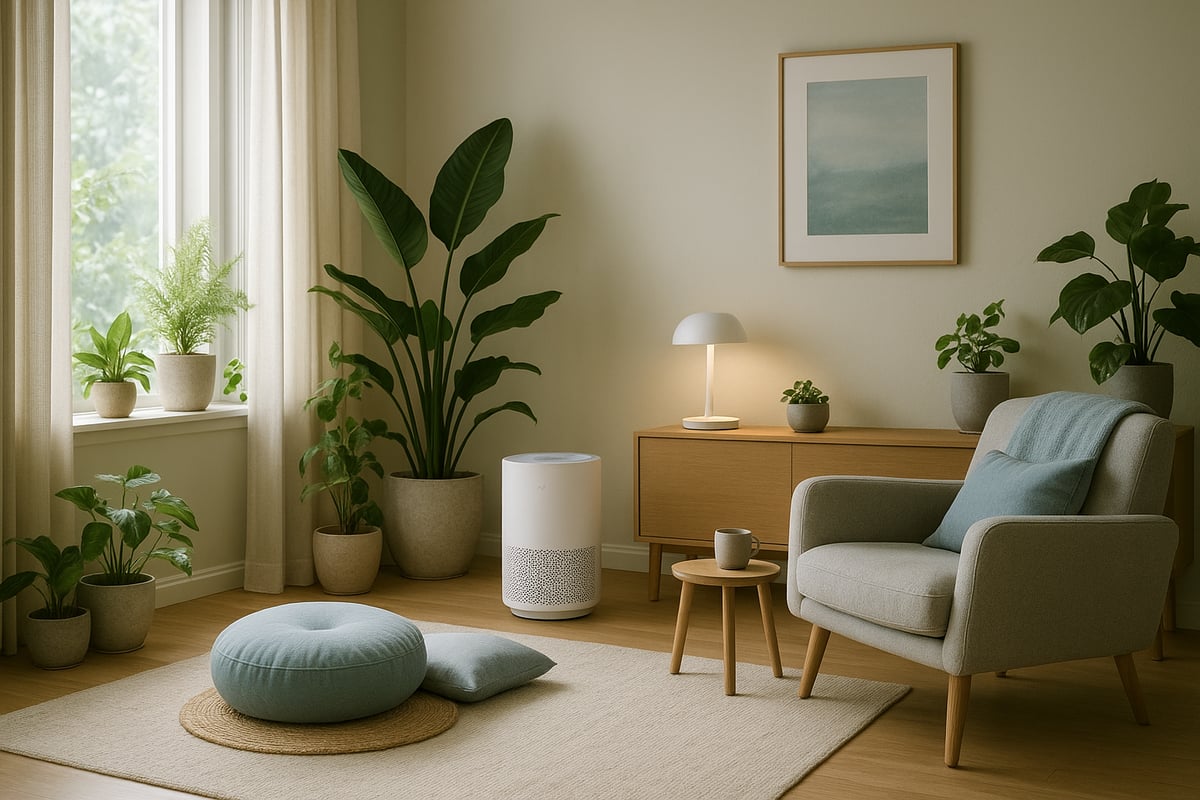
Since the early 2020s, the demand for at home wellness features has surged among homeowners and renters alike. Wellness-centric living is now a priority, with routines like meditation and self-care seamlessly woven into daily life. According to industry reports, 73% of homeowners plan to invest in wellness-focused upgrades by 2026.
Remote and hybrid work models have also influenced how people design their spaces. Features such as meditation nooks, smart air purifiers, and biophilic design are becoming mainstream. Wellness is not just a personal goal but also a symbol of lifestyle and self-investment. For a deeper dive into actionable wellness trends and practical ideas, explore these home wellness trends for 2026.
Why Your Space Matters for Well-Being
Your environment has a direct impact on stress, mood, and productivity. Scientific studies show that clutter-free, sensory-rich spaces support better health outcomes. Elements such as natural light, clean air, and reduced noise are essential for at home wellness.
Personalization plays a crucial role. Tailoring your space to your preferences creates emotional comfort and stability. For instance, transforming a spare room into a wellness retreat has helped many improve sleep and boost daily energy, showing the powerful connection between your environment and well-being.
Common Barriers and How to Overcome Them
Many people face challenges when starting their at home wellness journey. Limited space, budget constraints, or a lack of design expertise can stall progress. The good news is that solutions exist for every obstacle.
Consider modular furniture or affordable DIY upgrades to maximize impact without overspending. Tech-enabled tools, like smart lighting or compact air purifiers, can enhance wellness even in small spaces. Prioritizing changes—such as turning a cozy corner into a wellness zone—ensures that every improvement counts.
Setting Your Wellness Goals for 2026
The foundation of successful at home wellness is clarity about your personal priorities. Identify whether stress relief, fitness, or relaxation is most important to you. Align your home improvements with those goals to create lasting, meaningful change.
Vision boards or digital planners can help visualize and organize your ideas. Remember, the key is to experiment and iterate. Your wellness journey should evolve with you, allowing you to adapt your space as your needs change and your goals grow.
7 At Home Wellness Ideas to Transform Your Space
Transforming your home into a sanctuary for mind and body is more attainable than ever. By embracing at home wellness, you can create personalized environments that promote relaxation, focus, and vitality. Explore these seven innovative ideas to help you design the ultimate wellness retreat in your own space.
1. Create a Multi-Sensory Meditation Corner
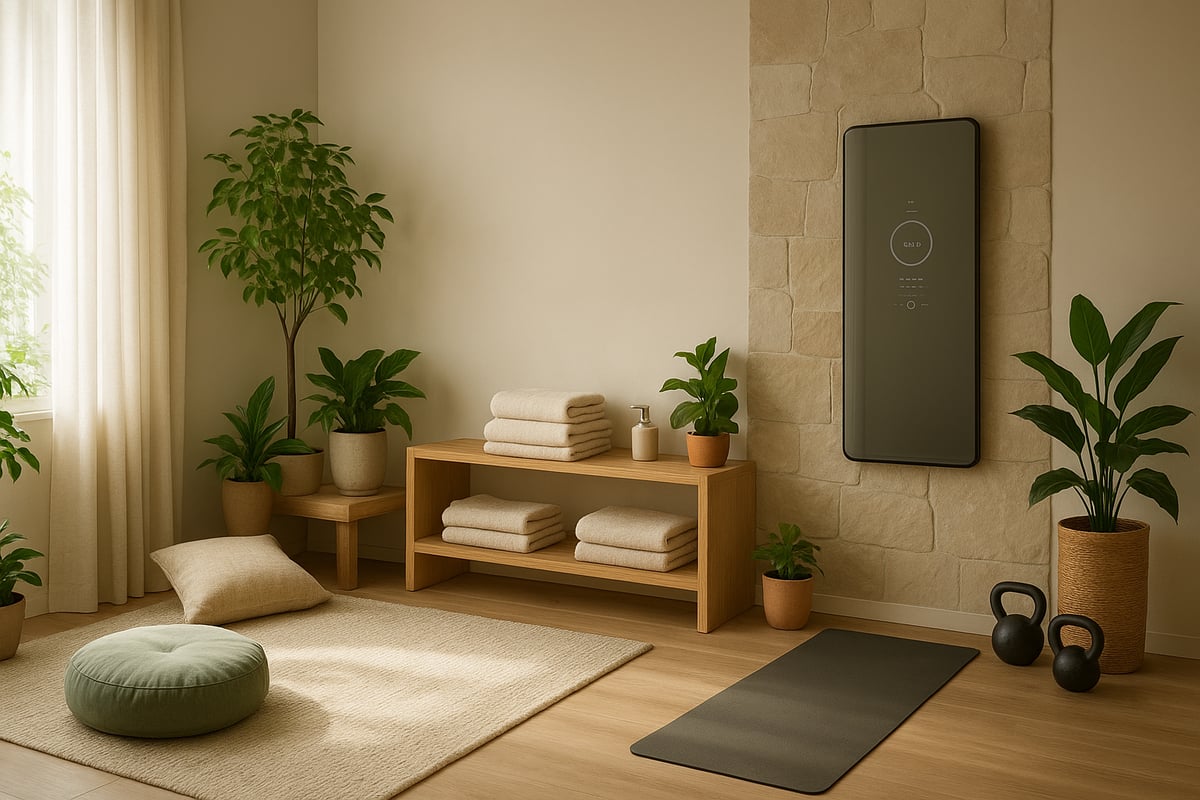
Designating a dedicated meditation zone is one of the most impactful at home wellness upgrades you can make. Choose a quiet corner and layer it with soft textures like cushions, throws, and an area rug to foster comfort. Calming tones such as sage green or sky blue help promote tranquility.
Minimize clutter to reduce distractions. Incorporate aromatherapy with essential oil diffusers or incense to set a peaceful mood. Add sound elements, such as a small speaker for nature sounds or guided meditations, to enhance the sensory experience.
Natural light is essential. Place your corner near a window if possible, and bring in indoor plants or a salt lamp for grounding energy and cleaner air. Personalize your setup with meaningful objects, like a favorite book or journal.
For example, transforming a window nook with a plush floor cushion, a small table for your diffuser, and a Himalayan salt lamp creates an inviting retreat. According to a 2025 survey, 60% of wellness room users reported reduced anxiety, underscoring the power of mindful design. Incorporating at home wellness practices in this way can make daily meditation both easy and enjoyable.
2. Design a Home Spa Retreat
Turn your bathroom or spare room into a luxurious home spa to elevate your at home wellness routine. Begin by adding plush towels, a bath tray for reading or candles, and ambient lighting to set the mood. If possible, upgrade your bathing area with a soaking tub, steam shower, or even a portable sauna.
Enhance your spa treatments with luxury bath products, such as mineral salts, aromatic oils, and nourishing facial masks. Consider adding heated mats, towel warmers, or a compact foot massager for extra indulgence.
Scent and sound are key to relaxation. Hang eucalyptus bundles in the shower for an invigorating aroma, and play calming playlists through a waterproof speaker. Dimmable lights allow you to adjust the ambiance as needed.
Repurposing a guest bathroom with these elements can transform it into a wellness oasis. Home spa product sales rose 35% in 2025, reflecting a growing trend in at home wellness. A dedicated spa space not only soothes the senses but supports regular self-care rituals.
3. Build a Personalized Fitness Nook
A functional fitness nook supports at home wellness by making movement accessible and enjoyable. Even in compact spaces, allocate a corner for yoga, Pilates, or strength training. Select versatile equipment such as resistance bands, a foldable bench, or a smart mirror to maximize efficiency.
Flooring matters for comfort and safety. Use non-slip mats, cork tiles, or rubber to cushion workouts. Keep your space organized with wall-mounted storage for mats, weights, and accessories.
Leverage technology by integrating fitness apps, virtual classes, or wearable trackers. Wall mirrors help with form and visually enlarge the area. For inspiration on maximizing small spaces, check out these exercise ideas for small spaces.
Consider converting a closet with wall hooks and a mirror into a mini gym. Industry data shows 48% of homeowners use home gyms at least three times a week, highlighting the rising popularity of at home wellness routines that fit any schedule.
4. Incorporate Biophilic Design and Indoor Greenery
Bringing nature inside is a powerful at home wellness strategy. Use potted plants, vertical gardens, or even living walls to add life and improve air quality. Select air-purifying species like snake plant, peace lily, and pothos for maximum benefit.
Incorporate natural materials such as wood, bamboo, or stone to create an organic, harmonious feel. Place plants near windows to maximize light and boost their visual impact. Even a small kitchen herb wall can offer culinary and wellness advantages.
Research shows that biophilic design reduces stress and enhances well-being. For example, a recent study found that exposure to living walls significantly lowers physiological and psychological stress during demanding tasks. Homes with biophilic features also report a 15% increase in well-being scores, making this an essential part of any at home wellness plan.
5. Optimize Lighting for Mood and Energy
Lighting is a cornerstone of at home wellness. Maximize natural light with sheer curtains and strategically placed mirrors to reflect sunlight throughout your space. Layer your lighting with task, ambient, and accent fixtures for flexibility and optimal comfort.
Circadian rhythm-supporting bulbs allow you to adjust color temperature and brightness, helping to regulate sleep and wake cycles. Smart lighting systems, controlled via app or voice, add convenience and adaptability.
For those with limited sunlight, light therapy lamps can help combat seasonal affective disorder. Consider upgrading your bedroom with a sunrise alarm and blackout shades for restful sleep.
A recent survey showed that 70% of people experience better sleep quality after optimizing their lighting. With thoughtful adjustments, at home wellness becomes an integral part of your daily routine, supporting both mood and energy.
6. Enhance Acoustic Comfort and Soundscapes
Sound quality dramatically influences at home wellness. Reduce unwanted noise with rugs, curtains, or acoustic panels. White noise machines or soft music can create a calming backdrop for relaxation or focus.
Define zones in your home for quiet, relaxation, or productivity. Curate playlists of nature sounds, binaural beats, or classical music to suit your needs. For added tranquility, integrate a tabletop fountain or small aquarium.
Reduce noise from appliances or outdoors by sealing windows and using heavy drapes. Transforming a living room with plush furnishings and a sound machine can noticeably lower stress. Research from 2025 links quiet spaces to a 30% reduction in reported stress, making acoustic comfort a vital aspect of at home wellness.
7. Curate a Digital Detox and Tech-Free Zone
In our always-connected world, carving out tech-free areas is essential for at home wellness. Designate specific spaces, such as a reading nook, journaling corner, or hobby station, where screens are off-limits.
Embrace analog activities like books, puzzles, crafts, or board games to foster creativity and presence. Establish rituals, such as evening wind-downs or morning mindfulness sessions, to reinforce healthy boundaries.
Store devices in a dedicated basket by the door to encourage screen-free evenings. For example, a small table with a cozy chair and soft lamp can become a retreat for unplugging and recharging.
According to a trend report, 52% of adults plan regular digital detoxes at home by 2026. Creating intentional tech-free zones makes at home wellness both practical and sustainable, supporting mental clarity and deeper connections.
How to Personalize Your Wellness Space for Maximum Impact
Personalizing your at home wellness space means shaping it around your unique routines, needs, and aspirations. Whether you live alone or share your home, these strategies will help you create a sanctuary that truly supports your well-being.
Tailoring Wellness Upgrades to Your Lifestyle
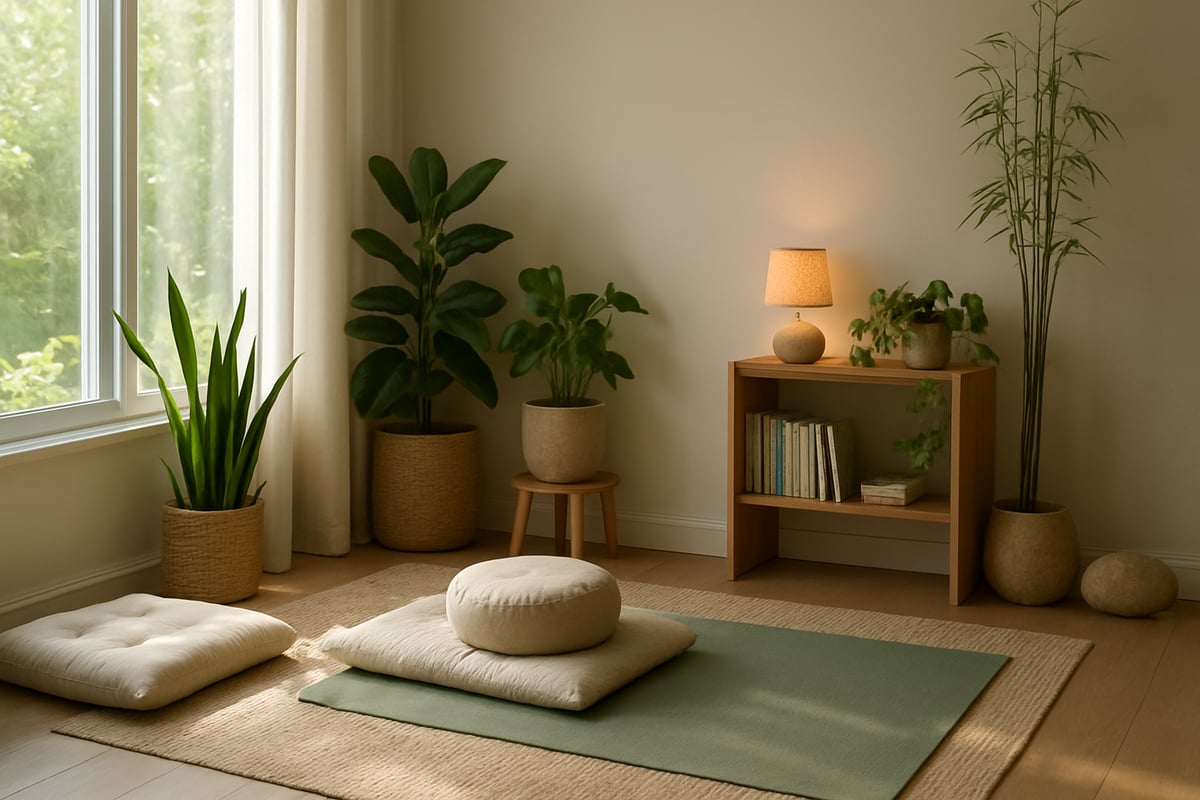
To maximize the benefits of at home wellness, start by observing your daily habits. Are you energized by morning movement or do you crave evening relaxation? Adapt your space to fit these rhythms.
Singles might prefer a yoga nook for solo practice, while couples could create a shared meditation zone. Families may want multipurpose corners for art, music, or stretching. Integrating hobbies, like music or painting, ensures your wellness area feels personal and motivating.
For those looking to add movement, consider exploring home yoga and stretching tips to enhance your at home wellness routine. This approach helps you design spaces that are both functional and inspiring.
Budget-Friendly Tips and DIY Wellness Projects
Transforming your at home wellness environment does not have to be expensive. Start with simple swaps, such as thrifted decor or upcycled furniture. Create homemade aromatherapy blends using essential oils and diffusers for personalized scents.
DIY projects, like building a meditation bench or crafting a floating plant shelf, add a custom touch. Prioritize investments that deliver the most value, such as a quality yoga mat or a supportive reading chair.
A step-by-step plan can help you stay focused:
- List your top wellness goals.
- Identify one small DIY project per month.
- Celebrate each upgrade to keep momentum strong.
Small Space Solutions and Multi-Functional Design
You can enjoy at home wellness benefits even in compact homes. Choose foldable or stackable furniture to save space when not in use. Convert a guest room into a dual-purpose yoga studio or turn a hallway into a cozy reading nook.
Maximize vertical space with wall shelves for plants or wellness tools. Mobile furnishings, like rolling carts for spa supplies, let you adapt your setup as needed.
Consider this quick comparison table for small space solutions:
| Challenge | Solution |
|---|---|
| Limited floor area | Foldable mats, wall hooks |
| Multi-use rooms | Double-duty furnishings |
| Storage needs | Vertical shelving, baskets |
With creativity, every corner can become part of your at home wellness journey.
Tracking Progress and Staying Motivated
Sustaining your at home wellness routine requires ongoing attention. Use wellness journals, habit trackers, or digital apps to monitor your goals and celebrate progress.
Set realistic milestones and reward yourself for each achievement, no matter how small. Refresh your space seasonally to maintain interest and motivation. Engaging with community support, such as virtual wellness challenges or sharing your story through customer wellness success stories, can spark fresh inspiration.
Consistency is key. By tracking your habits and making small adjustments, your at home wellness sanctuary will continue to support your health and happiness.
Frequently Asked Questions About At-Home Wellness in 2026
Creating a dedicated at home wellness space is more than a trend—it is a lifestyle investment. Below, find answers to common questions about transforming your home for optimal well-being in 2026.
What Are the Benefits of At-Home Wellness Spaces?
At home wellness spaces offer tangible benefits for physical, mental, and emotional health. Having a designated wellness area makes self-care routines more convenient and consistent, supporting stress relief and better sleep.
Research shows that thoughtfully designed home environments can improve mood, reduce anxiety, and encourage healthy habits. For example, integrating natural elements or biophilic design can elevate energy and focus. According to well-being trends 2026, prioritizing sleep and recovery in your space can lead to lasting improvements in quality of life.
Many people find that investing in at home wellness reduces the need for costly memberships and increases overall satisfaction with daily routines.
How Much Space or Budget Do I Need?
Starting with at home wellness does not require a large house or big budget. Even a studio apartment can accommodate a wellness nook, reading corner, or mini gym. The key is to identify underused spaces and repurpose them for your needs.
Simple upgrades—like adding a plant, a calming lamp, or a sound machine—can make a significant difference. Many people achieve impressive results with thrifted décor or DIY projects. Case studies show that small changes, such as reorganizing a closet or corner, can transform daily routines and boost motivation for at home wellness.
The most important factor is aligning your improvements with your wellness goals, regardless of square footage or spending limits.
What Are the Biggest Mistakes to Avoid?
The most common mistake in at home wellness design is overcrowding the space. Too many decorations or gadgets can create visual clutter, which may increase stress instead of reducing it.
Another pitfall is following trends that do not suit your personal style or needs. Wellness spaces should reflect your preferences, ensuring long-term satisfaction. Maintenance is also crucial—neglecting to clean, update, or adapt your space can undermine its benefits.
For sustainable success, focus on simplicity, personalization, and flexibility. Choose elements that you truly enjoy and can maintain easily to keep your at home wellness area effective.
How Can I Keep My Wellness Routine Consistent?
Consistency in at home wellness comes from structure and motivation. Set aside regular time for self-care by scheduling it into your calendar. Use reminders, habit trackers, or wellness journals to monitor progress and celebrate small achievements.
Refreshing your space seasonally can reignite interest and prevent routines from becoming stale. Many people also find support in virtual wellness groups or local communities, which can provide accountability and inspiration.
Leveraging technology for reminders and tracking can help make at home wellness a lasting part of your lifestyle, turning daily habits into long-term well-being.
As you consider these seven powerful wellness ideas for transforming your home, remember that your environment plays a crucial role in your overall health and vitality. Taking small, intentional steps can help you create a sanctuary that supports your goals—whether you’re seeking stress relief, better sleep, or more energy throughout your day. If you’re ready to take your well-being to the next level and would like expert guidance tailored to your unique needs, we’re here to support you. You deserve a space and a care plan that truly nurtures you.
Scedule Your Appointment Today