
Are you ready to take control and learn more about your health in 2026? The landscape of wellness is evolving, and staying informed is more important than ever.
This essential guide is designed to empower you with current science, expert strategies, and practical tools to keep you at your best. We will explore the latest trends, preventive care methods, nutrition updates, fitness routines, and mental wellness practices.
Discover how new technologies and holistic approaches are shaping the future. By following this guide, you can unlock actionable steps for a longer, healthier, and more vibrant life.
The Evolving Landscape of Health in 2026
The landscape of health in 2026 is rapidly transforming, offering both new possibilities and challenges for individuals determined to take charge of their well-being. Staying informed about your health is more important than ever, as advancements in science and shifts in society continue to reshape how we approach wellness.
Key Health Trends Shaping 2026
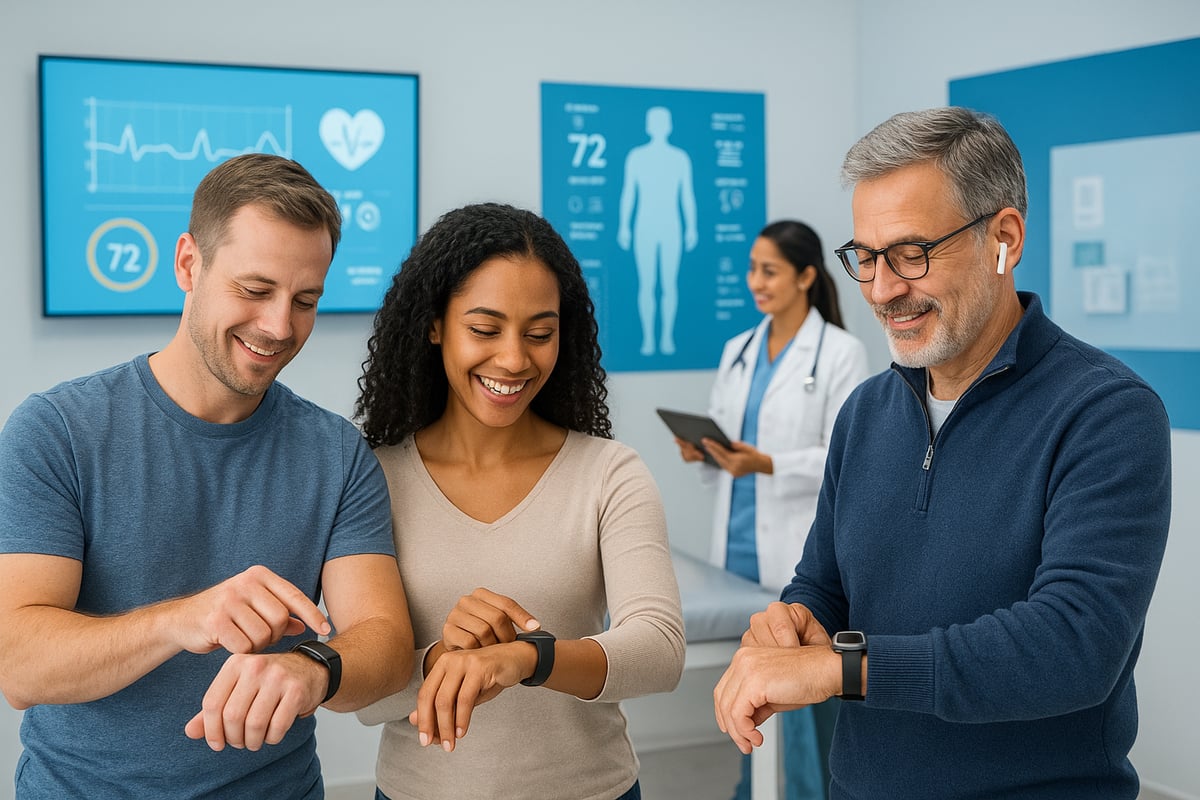
The year 2026 brings a surge in wearable health technology and remote monitoring, making it easier for people to track and manage their wellness daily. Preventive and personalized medicine are gaining momentum, helping individuals make more informed decisions about your health. Telehealth and virtual care are now widely accessible, while artificial intelligence is enhancing diagnostics and treatment options.
Chronic disease prevention is at the forefront of public health efforts. According to Health Trends Shaping 2026, over 60% of adults will use health tracking devices, making health data more accessible and empowering patient-driven care.
Impact of Global Events and Societal Shifts
Recent global events, such as pandemics, have left a lasting mark on healthcare systems and public attitudes. Mental health is now a central focus, with more people recognizing its impact on about your health. The shift to remote and hybrid work has led organizations to expand wellness programs, as 45% of companies plan to enhance employee well-being support.
Health equity initiatives are gaining momentum, aiming to ensure everyone benefits from these advancements. As society evolves, adaptable and resilient strategies are crucial for safeguarding about your health in an unpredictable world.
Advances in Medical Science and Technology
Medical science in 2026 is characterized by breakthroughs in genomics and the rise of personalized medicine. Early detection and advanced screening tools are becoming more common, giving patients a greater role in decisions about your health. Artificial intelligence now supports medical imaging and predictive analytics, reducing diagnostic errors and enabling earlier intervention.
These technological advancements mean care can be tailored more precisely, improving outcomes and fostering a sense of empowerment for those taking a proactive role in about your health.
The Role of Lifestyle in Modern Health
Despite technological progress, lifestyle choices remain a cornerstone of about your health. Sedentary habits continue to challenge societies, but active living, quality sleep, stress management, and meaningful social connections are proven to prevent many chronic diseases.
The World Health Organization notes that up to 80% of heart disease, stroke, and diabetes cases are preventable through lifestyle changes. This insight underscores the profound impact that daily decisions have on long-term health and well-being.
Health Disparities and Access
Access to quality care is still uneven, particularly for underserved populations. Telehealth is bridging some of these gaps, especially in rural and remote areas, with adoption rates rising by over 38%. Policy changes are targeting barriers to care, aiming to create a more inclusive environment for everyone concerned about your health.
Closing these disparities is essential for collective well-being, ensuring that advancements in healthcare benefit all communities equally.
Preventive Care: The Foundation of Lifelong Health
Taking control of your future starts with preventive care. In 2026, about your health means being proactive, informed, and committed to choices that help you thrive. Preventive care forms the cornerstone of lifelong wellness—empowering you to avoid illness, reduce risks, and enjoy a higher quality of life.

The Power of Prevention
Preventive care is the practice of anticipating and addressing health concerns before they become serious. When you think about your health, consider how regular check-ups, vaccinations, and healthy habits can keep disease at bay.
Studies show preventive services could save over 100,000 lives annually in the U.S. Simple actions like getting a flu shot, maintaining a balanced diet, and managing stress can have profound effects. Prevention is not just more effective than treatment, it is also less costly in the long run.
By prioritizing preventive care, you invest in a future where about your health is always top of mind.
Essential Screenings and Check-Ups for 2026
Staying updated with screenings is vital for about your health. In 2026, new guidelines recommend earlier and more frequent checks for certain conditions. For example, colon cancer screening now starts at age 45, and cardiovascular risk assessments are tailored to your profile.
Women and men benefit from age-appropriate screenings, including mammograms, cholesterol checks, and diabetes testing. Regular dental and vision exams remain essential for overall well-being.
For the latest recommendations, consult the Preventive Services Guidelines Update, which details new cervical cancer screening protocols and more.
Keeping pace with these updates is a smart step in caring about your health.
Immunizations and Emerging Vaccines
Vaccines are a powerful tool in safeguarding about your health. Routine immunizations for children and adults protect against diseases like influenza, measles, and pneumonia. In 2026, new vaccines developed with mRNA technology target emerging threats more rapidly and effectively.
Education is key to addressing vaccine hesitancy. By staying informed, you can make confident choices about your health and your loved ones’ well-being.
Remember, immunizations are not just for kids—adults need boosters and new vaccines as well, especially as global health risks continue to evolve.
Chronic Disease Prevention Strategies
Chronic diseases such as heart disease, diabetes, and high blood pressure remain leading health concerns. About your health depends on managing these risks before they escalate.
Effective strategies include:
- Regular monitoring of blood pressure and cholesterol
- Choosing a balanced diet and staying active
- Managing stress through mindfulness or relaxation techniques
- Quitting smoking and moderating alcohol use
According to the CDC, one in three adults has prediabetes, yet preventive actions can reverse this risk. Making small, consistent changes today can transform about your health for years to come.
Mental Health as Preventive Care
Mental wellness is a critical part of about your health. Early intervention for anxiety, depression, and stress can prevent long-term challenges. Annual mental health screenings are increasingly recommended, just like physical check-ups.
Workplace and community support programs play a growing role in promoting resilience. With one in five adults experiencing mental illness each year, prioritizing mental health is essential.
Being proactive about your health means embracing both emotional and physical well-being as interconnected foundations for lifelong vitality.
Personalized Preventive Plans
Personalization is redefining about your health in 2026. Genetic and biometric data now inform tailored prevention strategies, from cancer screenings to heart health. Digital health tools offer reminders, track progress, and provide individualized insights.
For example, personalized risk assessments have been shown to improve screening adherence by 22 percent. Patients are increasingly empowered to co-create care plans with their providers, making prevention more effective.
By embracing a personalized approach, you ensure about your health remains at the forefront of your wellness journey.
Nutrition and Diet: Fueling Your Body for the Future
Taking charge of your nutrition is one of the most impactful decisions you can make about your health. As science advances, the path to optimal well-being in 2026 is clearer than ever. In this section, discover how evidence-based eating, cutting-edge technology, and personalized strategies can help you thrive.

The Latest in Nutritional Science
Staying informed about your health means keeping up with the latest nutrition research. In 2026, dietary guidelines emphasize plant-based, whole-food eating patterns. Studies show the Mediterranean diet, rich in vegetables, fruits, whole grains, and healthy fats, reduces heart disease risk by 25%. Reducing processed foods and added sugars is now a universal recommendation.
A simple comparison of dietary approaches:
| Diet Type | Key Benefits |
|---|---|
| Mediterranean | Heart health, longevity |
| Plant-based | Weight management, energy |
| Whole-food | Gut health, steady glucose |
For more practical guidance, explore Nutrition and Healthy Eating Tips to make informed choices about your health.
Personalized Nutrition and Biomarker Tracking
Personalized nutrition is a game changer for about your health. Genetic testing now reveals how your body processes nutrients, guiding custom meal plans. Wearable devices can monitor hydration, glucose, and even micronutrient levels in real time. Continuous glucose monitors are gaining traction, even among non-diabetics, to optimize energy and metabolic health.
Biomarker tracking helps identify what works best for you. Instead of following generic diets, individuals can tailor their eating habits for better results. This targeted approach supports sustainable progress and maximizes the benefits for about your health.
Gut Health and the Microbiome
Your gut microbiome is a powerful ally in about your health. Research links diverse gut bacteria to better immunity, metabolism, and disease prevention. Including probiotics, prebiotics, and fermented foods like yogurt, kefir, and kimchi can support gut diversity.
Emerging studies highlight the gut-brain axis, showing how gut health influences mental wellness. A balanced microbiome may lower chronic disease risk, as noted in Nature. Focusing on fiber-rich, minimally processed foods is a simple yet profound step for about your health and overall vitality.
Special Diets and Food Trends
Food trends are evolving rapidly, and understanding them is crucial for about your health. Intermittent fasting, keto, and flexitarian diets are gaining popularity, each offering unique benefits and potential risks. Plant-based protein innovations are making it easier to reduce meat intake, with 42% of consumers aiming to eat less meat.
When considering trendy diets, balance is key. Consult professionals and listen to your body. Not every trend fits every lifestyle, but informed choices will always support about your health and well-being.
Nutrition for Different Life Stages
Nutritional needs shift across the lifespan, making it essential to adjust your approach for about your health. Children require nutrients for growth, while adults focus on maintenance and prevention. Seniors, for example, need 30% more protein to preserve muscle mass and function.
Those with chronic conditions or expecting a child should seek tailored advice. Professional guidance ensures you meet your body’s changing requirements. Prioritizing whole foods, adequate hydration, and mindful eating at every age lays the foundation for about your health now and in the future.
Physical Activity and Movement: Building a Resilient Body
Staying active is fundamental to about your health in 2026. As lifestyles become increasingly digital, prioritizing movement is essential for building a body that can withstand the challenges of modern life. Advances in science have reinforced what many already know: regular physical activity is a cornerstone of resilience and longevity.

Exercise Guidelines for 2026
Updated recommendations emphasize the importance of at least 150 minutes of moderate or 75 minutes of vigorous activity each week to support about your health. These guidelines also highlight the value of strength, flexibility, and balance training as part of a holistic routine.
Despite these clear benefits, only 23% of adults currently meet the recommended activity levels. Regular movement supports cardiovascular health, helps manage weight, and boosts mental well-being. Consider incorporating both aerobic and resistance exercises for comprehensive results.
| Activity Type | Benefits |
|---|---|
| Aerobic (walking, cycling) | Heart health, endurance |
| Strength (weights, bands) | Muscle, bone health |
| Flexibility (yoga, stretching) | Joint mobility, injury prevention |
Building these habits into your routine is a proactive way to invest in about your health for the future.
Functional Fitness and Mobility
Functional fitness focuses on exercises that mimic everyday movements, supporting about your health by preparing your body for real-life challenges. Training for mobility, balance, and joint health can reduce injury risks and improve quality of life, especially as you age.
Simple activities such as squats, lunges, and core exercises help maintain posture and coordination. Research shows functional training decreases fall risk by 31% in seniors, making it vital for long-term independence.
Integrate movement into daily tasks by taking stairs, walking during breaks, or doing stretching routines at your desk. Small changes can yield significant improvements in about your health, building resilience for years to come.
Technology and Fitness Tracking
Technology is transforming how we approach about your health, making it easier to monitor and enhance physical activity. Smartwatches, fitness apps, and virtual trainers deliver personalized workout plans and real-time progress tracking.
Fitness app usage has increased by 48% since 2020, reflecting a growing desire for data-driven motivation. These tools can set reminders, track achievements, and offer insights into sleep and recovery.
For more resources on integrating movement into your daily routine, explore the Exercise and Physical Wellness page for additional guidance and strategies tailored to about your health.
Overcoming Barriers to Physical Activity
Many people struggle to prioritize movement in their busy lives, yet overcoming these barriers is crucial for about your health. Strategies like short home workouts, micro-exercise sessions, or joining a community group can make activity accessible and enjoyable.
Workplace wellness programs have shown to increase activity levels by 15%, while community fitness initiatives foster accountability and social connection. If you have a sedentary job, set hourly reminders to stand or stretch.
Remember, every bit of movement counts toward about your health goals. Consistency, not perfection, is what leads to lasting change.
The Role of Professional Support
Professional guidance can play a key role in about your health, especially if you have chronic conditions or are recovering from injury. Physical therapists and certified trainers can design customized fitness plans that prioritize safety and gradual progress.
Supervised exercise programs are proven to improve outcomes in cardiac rehabilitation and other specialized areas. If you experience pain, fatigue, or uncertainty about starting a new routine, seeking expert advice is a smart investment.
Ultimately, building a resilient body is not just about exercise, but about your health as a whole—combining knowledge, support, and consistent effort for lifelong vitality.
Mental Wellness: The Cornerstone of Holistic Health
Mental wellness is increasingly recognized as a vital part of about your health in 2026. The prevalence of mental health conditions continues to impact society, affecting millions each year. Greater awareness and destigmatization efforts have made it easier for individuals to seek help without fear of judgment. Digital mental health services have become more accessible, with usage doubling since 2022, allowing more people to receive timely support. According to the 2026 Global Health Care Outlook, advances in technology are driving this transformation and improving outcomes for mental wellness. Prioritizing proactive mental health care is now an essential component of about your health.
Understanding Mental Health in 2026
Understanding about your health means acknowledging the widespread impact of mental health conditions. One in five adults experiences mental illness annually, highlighting the need for early intervention and regular check-ups. Destigmatization is making it easier to discuss mental health openly, breaking down barriers to care.
Digital platforms now offer counseling, therapy, and self-help tools, reaching those who might otherwise go untreated. Increased accessibility ensures that support is available regardless of location or background. This shift empowers individuals to prioritize mental wellness as part of about your health.
Stress Management and Resilience Building
Managing stress is fundamental to about your health. Mindfulness, meditation, and relaxation techniques are proven tools for reducing anxiety. Clinical trials show that mindfulness can lower anxiety by 58 percent, making it a key strategy for daily stress management.
Cognitive-behavioral approaches help reshape negative thinking patterns and build emotional resilience. Practicing gratitude, journaling, and regular self-reflection also foster coping skills. By integrating these habits, you strengthen your ability to navigate life's challenges and safeguard about your health.
Sleep Hygiene and Cognitive Health
Prioritizing sleep is crucial for about your health. Sleep supports brain function, emotional regulation, and overall well-being. However, 35 percent of adults report less than seven hours of sleep each night, which can negatively affect cognitive health.
Improving sleep hygiene involves creating consistent routines, limiting screen time before bed, and optimizing your environment for rest. Quality sleep enhances memory, concentration, and mood, reinforcing the foundation of about your health and reducing long-term cognitive risks.
Social Connection and Community Support
Strong social ties play a significant role in about your health. Research shows that individuals with robust social connections experience a 50 percent increase in longevity. In a digital age, it is essential to nurture relationships and combat loneliness.
Community programs, peer support groups, and virtual meet-ups provide opportunities to build meaningful connections. Engaging with others not only improves mental wellness but also strengthens the overall foundation of about your health.
The Future of Personalized Healthcare
Personalized healthcare is transforming the way we think about your health. In 2026, advanced science and technology help tailor care to each individual. This shift means better prevention, earlier intervention, and more meaningful results for everyone.
Precision Medicine and Genetic Insights
Precision medicine is changing about your health by using genetic information to guide decisions. Providers now use genetic testing to predict disease risk and medication response. For example, 70% of oncologists rely on genetic data to plan cancer treatments, ensuring therapies are more effective and side effects are minimized.
With these advancements, prevention strategies become highly personalized. You may receive tailored screening schedules or lifestyle recommendations based on your unique genetic makeup. This approach marks a shift from one-size-fits-all care to solutions built just for you.
Digital Health Tools and Remote Care
The digital revolution is making about your health more accessible than ever. Telemedicine and remote monitoring allow you to connect with providers from home. Health apps help manage chronic conditions, track medications, and set wellness goals.
Patients appreciate the convenience and flexibility of these digital tools. In fact, 80% report satisfaction with telehealth visits. As data privacy improves, you can trust that your health information remains secure while benefiting from remote care options.
Integrative and Holistic Approaches
Integrative healthcare is an essential part of about your health in 2026. This model combines conventional medicine with nutrition, movement, and stress management for a truly holistic approach. Care teams often include specialists from different backgrounds, working together to create comprehensive plans.
For example, meeting with professionals like those on the Meet the Ignite Chiropractic Team can help guide your wellness journey. Integrative models not only improve patient satisfaction but also empower you to take an active role in your health decisions.
Navigating the Healthcare System in 2026
Understanding about your health includes knowing how to navigate the modern healthcare system. Choosing the right providers, understanding insurance, and managing out-of-pocket costs are all crucial steps. Yet, 62% of adults still find the system difficult to navigate.
Building health literacy and self-advocacy skills can help you make informed choices. Take time to ask questions, review your options, and seek support when needed. By doing so, you ensure the best possible outcomes for your health journey.
As you look ahead to 2026 and consider how technology, preventive care, and personalized wellness strategies can shape your future, remember that taking proactive steps today makes all the difference. Our comprehensive, patient-centered chiropractic care is designed to help you address the root cause of health concerns and support your long-term vitality. If you are ready to embrace a tailored approach to your well-being and experience the benefits of advanced diagnostics and personalized care, we are here to guide you every step of the way. Schedule Your Appointment Today and take the next step toward a healthier, more vibrant you.