
Imagine a future where achieving lifelong vitality is not only possible but easier than ever. The 2026 health and wellness model is transforming how individuals approach their well-being by combining science, technology, and personalized care.
This expert guide will walk you through the most up-to-date, evidence-based strategies at the core of the health and wellness model. You will discover practical steps, innovative technologies, and real-world examples that empower you to take charge of your health.
Get ready to explore the pillars of this new model, learn how to implement it in daily life, and find solutions for common challenges—all designed to help you thrive in 2026 and beyond.
The Foundations of the 2026 Health and Wellness Model
The 2026 health and wellness model marks a significant leap forward in how individuals and communities approach lifelong vitality. This model integrates decades of research, practical innovation, and global insights, providing a comprehensive roadmap for sustainable well-being. Let’s explore the foundations that make this approach transformative.
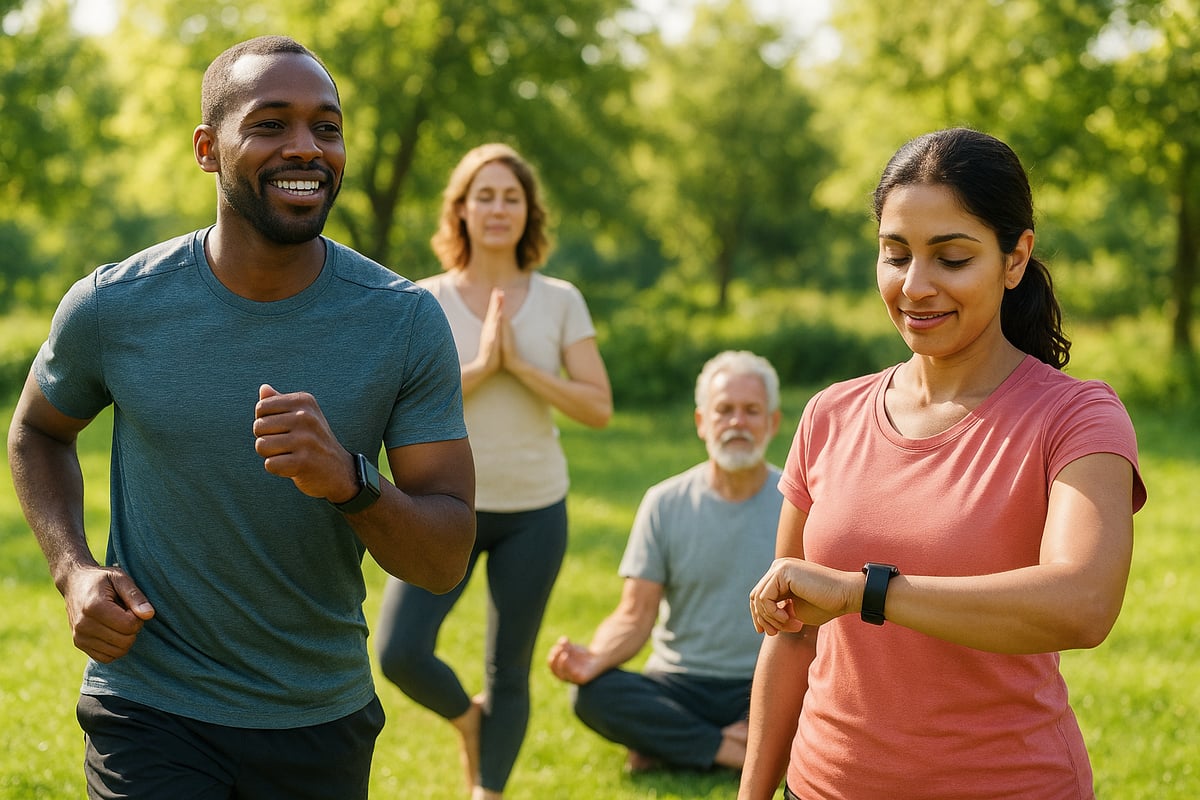
Evolution of Health and Wellness Models
Traditionally, health models focused on treating diseases after they appeared. Over the past few decades, a major shift has occurred toward integrative care and lifestyle medicine. This evolution acknowledges that prevention and whole-person care are more effective than isolated symptom management.
Recent data highlights that 80 percent of chronic diseases are now linked to modifiable lifestyle factors (CDC, 2024). The health and wellness model in 2026 builds on these findings, encouraging proactive and preventive strategies. For a deeper understanding of these trends, see the Integrative Health and Wellness Trends 2025.
Core Pillars of the 2026 Model
At its heart, the health and wellness model encompasses several interconnected pillars:
- Physical health: Prioritizing exercise, balanced nutrition, and restorative sleep.
- Mental and emotional well-being: Managing stress, practicing mindfulness, and fostering social connection.
- Environmental and social influences: Nurturing community ties, optimizing surroundings, and promoting digital wellness.
Regions known as Blue Zones, where people consistently live longer, inspire this holistic perspective. Their routines reflect these pillars, supporting the health and wellness model’s emphasis on daily, sustainable habits.
Scientific Basis and Evidence
The health and wellness model is firmly supported by the latest scientific research. Multi-dimensional wellness approaches are shown to improve overall outcomes compared to isolated interventions. Advances in epigenetics and the use of personalized health data allow for tailored recommendations.
A recent Harvard Health study (2025) found that personalized wellness interventions lead to 30 percent higher adherence rates. This evidence underscores the value of integrating diverse aspects of health into a unified approach.
Holistic and Preventive Focus
A cornerstone of the health and wellness model is its focus on resolving root causes rather than simply managing symptoms. Preventive screenings and risk assessments are integrated early and often, reducing the long-term burden of disease.
One case study demonstrated a significant reduction in healthcare costs through widespread adoption of preventive care measures. This shift not only benefits individuals but also strengthens public health systems.
Inclusivity and Accessibility
The 2026 health and wellness model actively addresses health disparities and strives for equity. Culturally sensitive wellness programs are designed to reach diverse populations, ensuring that everyone can benefit from holistic health strategies.
A 2025 WHO report highlighted a narrowing of health outcome gaps worldwide, attributing progress to these inclusive approaches. Accessibility remains a top priority, reflected in community-driven wellness initiatives.
Role of Technology in the Foundations
Technology is a vital enabler of the modern health and wellness model. Wearable devices, AI-driven health insights, and expanded telehealth services make it easier for individuals to monitor and manage their well-being remotely.
For example, remote patient monitoring has dramatically improved chronic disease management, allowing for timely interventions and personalized support. Technology bridges gaps in care, especially for those with limited access to traditional healthcare settings.
Key Arguments and Insights
Why is the health and wellness model of 2026 outperforming traditional approaches? Experts point to its holistic, personalized, and tech-enabled strategies. These elements empower individuals to take charge of their health, foster collaboration among providers, and adapt to evolving needs.
Looking forward, the integration of scientific evidence, inclusivity, and digital tools positions the health and wellness model as the gold standard for sustainable well-being.
Step-by-Step Guide to Implementing the Health and Wellness Model
Adopting the 2026 health and wellness model is not just about understanding its pillars, but also about practical implementation. This step-by-step approach empowers individuals to take charge of their well-being, blending evidence, technology, and support for lasting results. Each step builds a foundation for sustainable health, ensuring the health and wellness model becomes integral to daily life.

Step 1: Comprehensive Assessment and Goal Setting
The first step in implementing the health and wellness model is a thorough baseline assessment. This process covers physical health, mental well-being, and social factors, ensuring no aspect is overlooked. Digital health records and wellness apps streamline the collection of data, making it easier to identify strengths and areas for improvement.
Setting personalized goals is critical. These are tailored to your unique profile, providing direction and motivation. By starting with a clear picture, the health and wellness model ensures your journey is both targeted and measurable.
Step 2: Building a Personalized Wellness Plan
After assessment, the next step is crafting a wellness plan that reflects your needs and preferences. The health and wellness model emphasizes integrating nutrition, exercise, mental health practices, and environmental adjustments. Adaptive meal and fitness plans, powered by AI, make personalization accessible and effective.
A tailored approach increases engagement and success. Digital platforms help you track progress and adjust routines, ensuring the health and wellness model adapts as your needs evolve.
Step 3: Engaging Multidisciplinary Support
No one achieves optimal health alone. The health and wellness model thrives when supported by a team of professionals. Collaboration between medical providers, wellness coaches, and community resources delivers comprehensive care. This team-based approach is especially effective for managing chronic conditions.
For example, integrative clinics often combine physical and mental health services under one roof. To see how multidisciplinary teams work in practice, explore the Meet the multidisciplinary care team page, which demonstrates how a coordinated approach enhances patient outcomes.
Step 4: Leveraging Technology for Monitoring and Motivation
Technology is a powerful ally in the health and wellness model. Wearables, health trackers, and virtual coaching provide real-time feedback, keeping you informed and motivated. These tools adapt interventions based on your data, helping you stay on track with your goals.
Research shows that digital reminders and monitoring significantly improve adherence. By leveraging technology, the health and wellness model makes healthy choices easier and more sustainable.
Step 5: Continuous Evaluation and Adaptation
Ongoing evaluation ensures your plan remains effective. The health and wellness model relies on feedback loops and data analytics to monitor progress and prompt timely adjustments. Regular check-ins with your care team or digital platform allow you to refine goals and strategies.
This step prevents stagnation, allowing the health and wellness model to evolve alongside your personal growth and changing circumstances.
Step 6: Fostering Community and Social Support
Community plays a vital role in the health and wellness model. Group programs, peer accountability, and online wellness communities boost motivation and long-term success. Social support not only increases goal achievement but also provides encouragement during setbacks.
Participating in group activities or connecting with others on similar journeys enhances the sense of belonging and commitment, making the health and wellness model more enjoyable and effective.
Step 7: Addressing Barriers and Building Resilience
Every wellness journey encounters obstacles, whether time constraints, limited resources, or mindset challenges. The health and wellness model encourages identifying these barriers early and developing strategies to overcome them.
Building resilience is about fostering a growth mindset and preparing for setbacks. By anticipating challenges and having solutions ready, you ensure your commitment to the health and wellness model remains strong, supporting lifelong vitality.
The Role of Personalization and Advanced Diagnostics
Personalization is at the core of the 2026 health and wellness model. No two individuals share identical genetics, lifestyles, or environments, and this diversity demands a tailored approach. The modern health and wellness model recognizes that personal differences drive unique health needs, preferences, and risks. As a result, personalization and advanced diagnostics have become essential for delivering effective, sustainable outcomes.
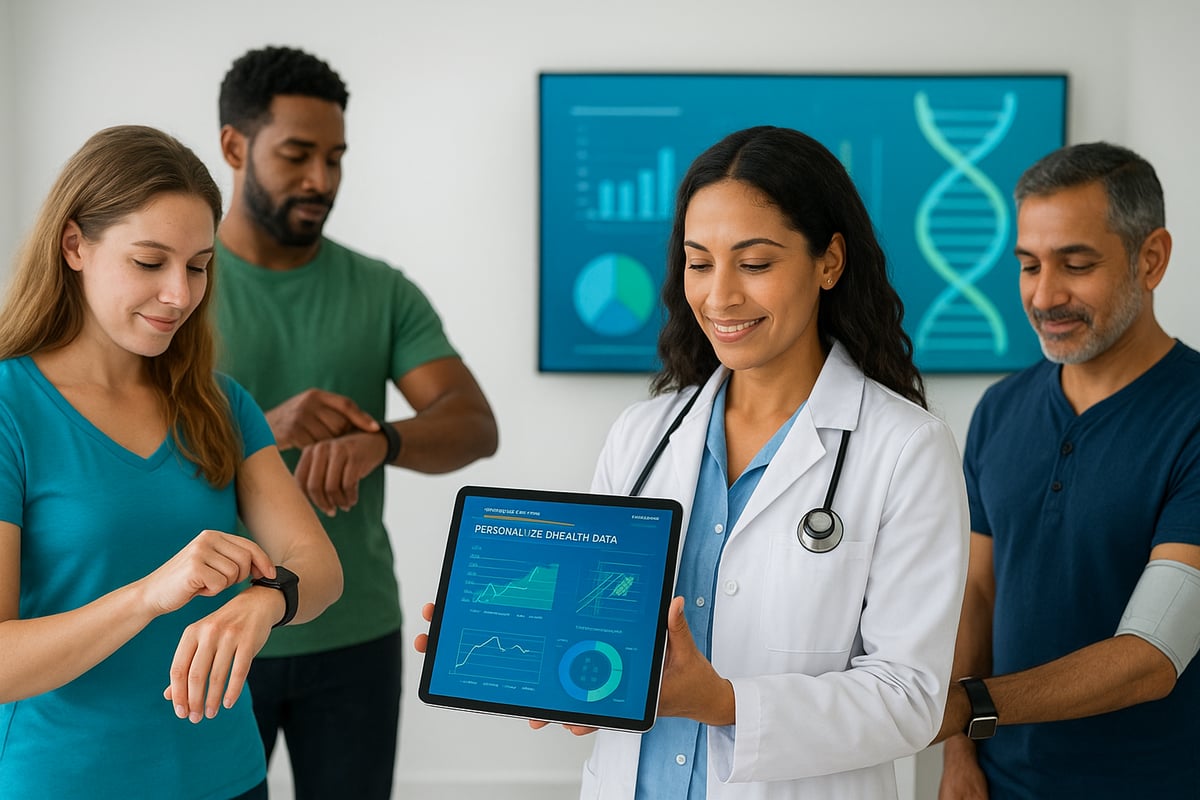
Personalized Health: Why One Size Doesn’t Fit All
The evolution of the health and wellness model has revealed that generic solutions often fall short. Genetic makeup, daily habits, and environmental exposures all interact to determine health outcomes. For example, two people may respond differently to the same diet or exercise plan due to genetic variations or microbiome differences.
In practice, DNA-based nutrition and fitness recommendations are now commonplace. The National Institutes of Health reports that personalized interventions can reduce risk factors by 25 percent. This approach empowers individuals to make informed choices, ensuring the health and wellness model is both relevant and effective for each person.
Advanced Diagnostics in Practice
Advanced diagnostics have transformed how the health and wellness model identifies risks and tailors interventions. Genomics, microbiome analysis, and metabolic profiling uncover hidden factors that influence health. Wearable biosensors now provide real time monitoring of glucose, stress, and other vital markers.
These innovations facilitate early detection and targeted prevention strategies. For instance, wearable technology can alert users to changes in their health metrics, prompting timely action. Emerging trends such as AI-Powered Personalized Health & Biohacking are making it possible to deliver customized recommendations at scale, enhancing the precision of the health and wellness model.
Benefits of Precision Wellness
The precision approach of the health and wellness model delivers tangible benefits. People who engage in personalized care typically experience higher engagement and better outcomes. There is also a notable reduction in adverse effects, as interventions are tailored rather than generic.
| Benefit | Evidence/Statistic |
|---|---|
| Improved adherence | 30% higher adherence (Harvard Health) |
| Reduced risk factors | 25% reduction (NIH, 2025) |
| Enhanced chronic disease control | Case studies show improved outcomes |
A real world case study highlights how personalized care can improve chronic disease management, reduce complications, and increase satisfaction. The health and wellness model, when individualized, becomes more empowering and sustainable.
Challenges and Considerations
While the health and wellness model thrives on personalization, it faces challenges. Data privacy is a major concern as sensitive health information is collected and analyzed. Accessibility and cost can also limit the reach of advanced diagnostics, particularly in underserved populations.
Other considerations include:
- Ensuring equitable access to personalized care
- Balancing technological advancements with human-centered support
- Addressing the potential for information overload
Addressing these barriers is essential for the health and wellness model to achieve its promise of inclusivity and effectiveness.
Expert Perspectives
Leading practitioners agree that the future of the health and wellness model lies in precision and adaptability. Experts predict ongoing advances in genomics, wearable technology, and AI will drive even greater personalization. This evolution will require a focus on ethical data use, patient education, and collaboration across disciplines.
Ultimately, the health and wellness model is moving toward a future where every individual’s unique needs are met, and lifelong vitality becomes an achievable goal for all.
Innovations and Technologies Shaping the 2026 Wellness Landscape
The 2026 health and wellness model is defined by a wave of technological innovation that is transforming preventive care and personalized health. As digital solutions advance, individuals and professionals alike are accessing tools that offer deeper insights, real-time feedback, and more inclusive care. Let us explore how these innovations are elevating the health and wellness model for a new era.
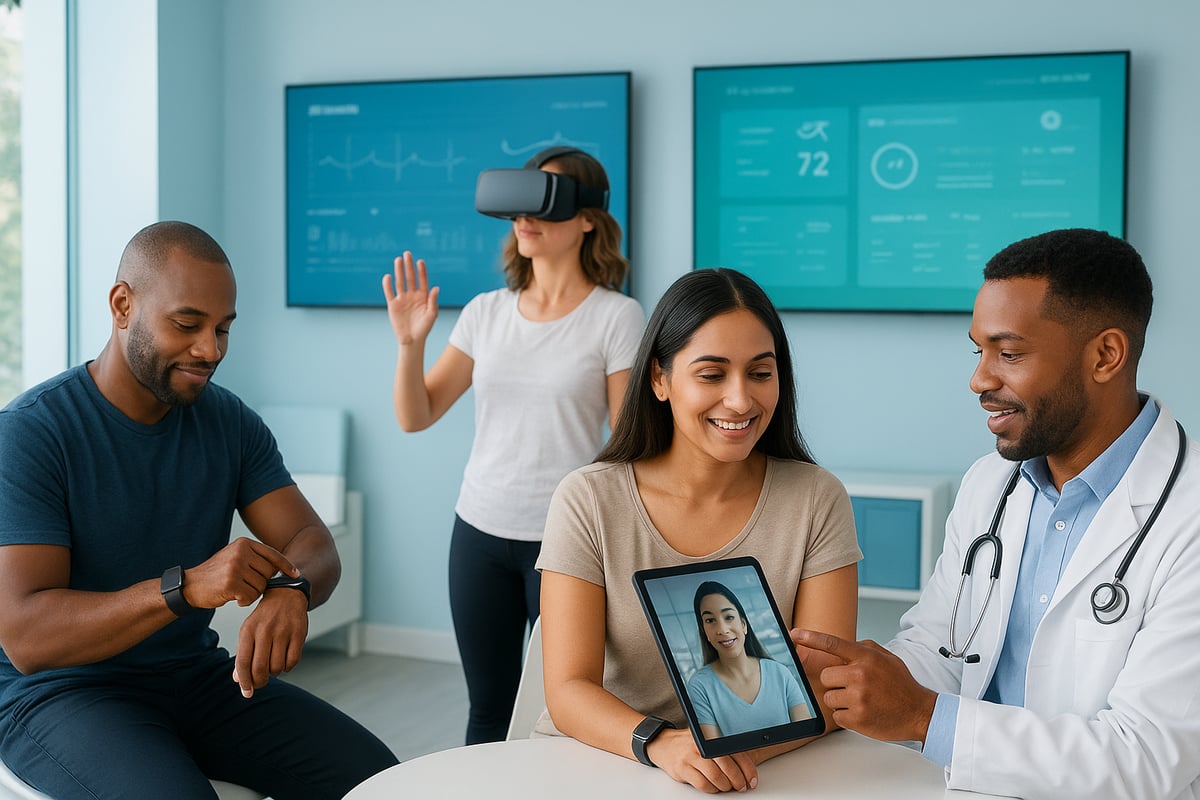
Digital Health Platforms and Telemedicine
Digital health platforms are at the core of the modern health and wellness model. In 2025, telemedicine usage rose by 40 percent, making remote consultations and virtual coaching a standard part of care. These platforms enable real-time communication, remote diagnostics, and personalized interventions that fit busy lifestyles.
Patients now access a range of services from the comfort of home, including mental health support, chronic condition management, and preventive screenings. The integration of digital health platforms has also improved access for rural and underserved populations. For a deeper look at the numbers driving this transformation, see Digital Transformation in Wellness Industry Statistics.
Wearables and Smart Devices
Wearables have become essential for tracking progress in the health and wellness model. Fitness trackers, smartwatches, and biosensors collect continuous data on heart rate, sleep quality, and physical activity. These devices empower users to take proactive steps, making adjustments in real time based on feedback.
Smart devices now monitor hydration, glucose, stress, and even posture. This granular data supports early intervention and encourages healthy habits. By integrating with health platforms, wearables provide a seamless experience that supports long-term wellness.
Artificial Intelligence and Predictive Analytics
Artificial intelligence is a driving force behind the evolving health and wellness model. AI systems analyze vast amounts of personal data to identify trends, predict risks, and deliver tailored recommendations. Predictive analytics can flag early warning signs for chronic diseases, allowing for timely preventive action.
Healthcare providers use AI to reduce hospital readmissions by 15 percent, optimize resource allocation, and personalize wellness plans. The result is a system that adapts to individual needs and delivers better outcomes.
| Technology Area | Key Benefit | Example Use Case |
|---|---|---|
| AI & Analytics | Personalized interventions | Risk prediction |
| Wearables | Real-time health tracking | Sleep monitoring |
| Telemedicine | Increased accessibility | Virtual coaching |
Virtual Reality and Gamification
Virtual reality (VR) and gamification are making wellness more engaging and effective. VR is now used for stress reduction, physical therapy, and immersive health education. In corporate wellness programs, VR-guided meditation sessions help employees manage stress and improve focus.
Gamified wellness programs use points, challenges, and rewards to motivate sustained behavior change. These interactive experiences drive higher engagement and make adopting healthy habits enjoyable.
Integration with Electronic Health Records (EHR)
The health and wellness model increasingly relies on the seamless integration of wellness data into electronic health records. EHR systems now aggregate information from wearables, apps, and provider notes, creating a holistic view of each individual.
This integration supports coordinated, patient-centered care. Providers can make informed decisions quickly, reducing duplication and improving outcomes. Data sharing across platforms ensures that all aspects of health are considered in every care plan.
Data Privacy and Security
With the rise of digital tools in the health and wellness model, data privacy and security have become top priorities. Regulatory updates now require stronger encryption, consent management, and transparent data practices. Providers and platforms must safeguard personal health information while maintaining ease of access.
Ethical data use is essential for trust and engagement. As these technologies evolve, ongoing attention to privacy will remain a foundation of the health and wellness model.
Overcoming Barriers and Ensuring Sustainability
Adopting the health and wellness model in 2026 requires more than just understanding its pillars. Success depends on addressing real-world obstacles, building sustainable habits, and ensuring equitable access for all. This section explores practical strategies for overcoming barriers and supporting lasting change within the health and wellness model.
Addressing Common Obstacles
Many individuals face challenges when implementing the health and wellness model. Common barriers include financial limitations, lack of time, low motivation, and limited health literacy. For some, healthy choices may seem out of reach due to cost or accessibility.
To counter these issues, innovative solutions have emerged. Subsidized wellness programs, sliding-scale services, and community partnerships are making the health and wellness model more attainable. For example, mobile clinics and digital resources help bridge gaps, especially in underserved areas. By proactively identifying obstacles, organizations can tailor support to individual and community needs.
Building Lasting Habits
Sustainability is central to the health and wellness model. Research shows that forming new health habits takes an average of 66 days, but ongoing support is crucial. Behavioral science strategies such as habit stacking, creating triggers, and rewarding positive actions can help individuals stay on track.
Peer support and group coaching, as seen in Whole Health Action Management, empower participants to self-manage their well-being. These approaches foster accountability and resilience, making it easier to maintain progress within the health and wellness model.
Ensuring Equity and Inclusion
Equity is a foundational goal of the health and wellness model. Diverse populations often encounter unique barriers, from language differences to cultural norms. Designing accessible programs means offering resources in multiple languages, considering cultural preferences, and reaching out through trusted community leaders.
Mobile wellness clinics and digital outreach play a vital role in expanding access. Community-driven initiatives ensure that everyone, regardless of background, can benefit from the health and wellness model. This focus on inclusion helps narrow health disparities and supports overall population well-being.
Policy and System-Level Solutions
Systemic change is essential for sustaining the health and wellness model. Governments and insurers are increasingly supporting preventive health through policy reforms and incentives. Value-based care models reward organizations that prioritize wellness and long-term outcomes.
Examples include insurance discounts for wellness participation and government funding for preventive screenings. These policies help remove barriers and encourage broader adoption of the health and wellness model at scale.
Measuring Success and Impact
Tracking progress is vital to evaluating the effectiveness of the health and wellness model. Key performance indicators (KPIs) might include improved health outcomes, reduced costs, and higher satisfaction rates. Tools such as digital dashboards, regular assessments, and patient feedback loops provide actionable insights.
By consistently measuring results, organizations can identify areas for improvement and demonstrate the value of the health and wellness model for individuals and communities.
Future Directions and Continuous Improvement
The future of the health and wellness model lies in ongoing innovation and adaptation. Embracing new technologies, responding to user feedback, and learning from expert predictions will drive continuous improvement. Partnerships across sectors will be crucial for maintaining momentum.
As the landscape evolves, the commitment to inclusivity, sustainability, and evidence-based practice will ensure the health and wellness model remains effective and relevant for years to come.
Now that you have a clear understanding of how the 2026 health and wellness model empowers you to take control of your well-being, why not take the next step toward lasting vitality? At Ignite Chiropractic & Wellness, we’re dedicated to tailoring care to your unique needs, using advanced diagnostics and a holistic approach that addresses the root causes of health challenges. If you’re ready to experience a new standard of personalized, wellness-based chiropractic care—one that supports your long-term health goals—I invite you to Scedule Your Appointment Today. Your journey to optimal health starts here.