
In today's fast-paced world, achieving lasting wellbeing and true balance can feel out of reach. Many people find themselves caught between daily demands and the desire for a healthier, more fulfilling life.
A wellbeing model offers a practical framework to navigate these challenges, guiding individuals and communities toward sustainable health. By understanding what shapes our wellbeing, we can make informed choices that support resilience and growth.
This guide will explore leading wellbeing models and offer actionable strategies for building lasting balance in 2026. You will discover clear definitions, multidimensional approaches, top frameworks, and step-by-step methods to create positive change.
Ready to take control of your wellbeing journey? Dive in and learn how a holistic approach can help you achieve balance and thrive.
Understanding Wellbeing Models: Foundations and Definitions
Modern conversations about health have evolved far beyond the absence of disease. Today, wellbeing is recognized as a dynamic state that reflects how people feel, function, and connect with their lives and communities. This shift is rooted in decades of research in psychology and health sciences, where the focus has steadily moved from simply treating illness to fostering positive health and sustainable balance.
A wellbeing model serves as a structured framework that helps individuals, organizations, and communities understand what it means to thrive. Unlike traditional definitions of health, a wellbeing model incorporates multiple aspects of life, offering a more nuanced blueprint for measuring and improving overall quality of life. By mapping out the various components that contribute to holistic health, a wellbeing model enables people to identify strengths, recognize areas for growth, and implement targeted strategies for improvement.
Holistic health is at the heart of every effective wellbeing model. The most recognized dimensions include physical, mental, emotional, social, and spiritual health. Each dimension interacts with the others, creating a web of influences that shape daily experiences and long-term outcomes. The last decade has seen a marked transition from illness-focused healthcare to wellness-oriented frameworks. This approach emphasizes prevention, resilience, and the proactive pursuit of balance across all life domains.
Leading authorities have helped shape the understanding of wellbeing. The World Health Organization defines health as a state of complete physical, mental, and social wellbeing, not merely the absence of disease. The Centers for Disease Control and Prevention (CDC) further expands this by stating that wellbeing includes positive emotions, life satisfaction, and optimal functioning. According to the CDC, these factors are essential for individuals and groups to flourish and adapt to change.
In this context, the need for adaptable and evidence-based wellbeing model frameworks has become clear. Diverse populations require flexible solutions that can be tailored to their unique needs and cultural backgrounds. A robust wellbeing model is built on solid research, acknowledges the interplay of various life dimensions, and is designed to evolve with emerging science and societal change. For those interested in exploring how different models are measured and assessed, the Multidimensional Well-Being Assessments Review offers a comprehensive overview of current tools and best practices.
Ultimately, a clear and comprehensive wellbeing model is essential for sustainable balance and resilience. It empowers individuals and organizations to move beyond reactive health strategies and embrace proactive, holistic approaches that foster long-term wellbeing.

Leading Wellbeing Models in 2026: Comparative Overview
The landscape of wellbeing model development has transformed significantly in recent years. Today, a wellbeing model is seen not just as a framework for individual health, but as an adaptable guide for organizations and communities seeking lasting balance. These models provide clear structure, integrating multiple dimensions of wellness to address complex, modern needs.
Recent data shows that over 70% of U.S. universities have implemented a multidimensional wellbeing model. This shift marks a move away from isolated interventions toward cohesive, evidence-based strategies. By understanding how these frameworks function, individuals and institutions can select a wellbeing model that aligns with their unique goals and challenges.
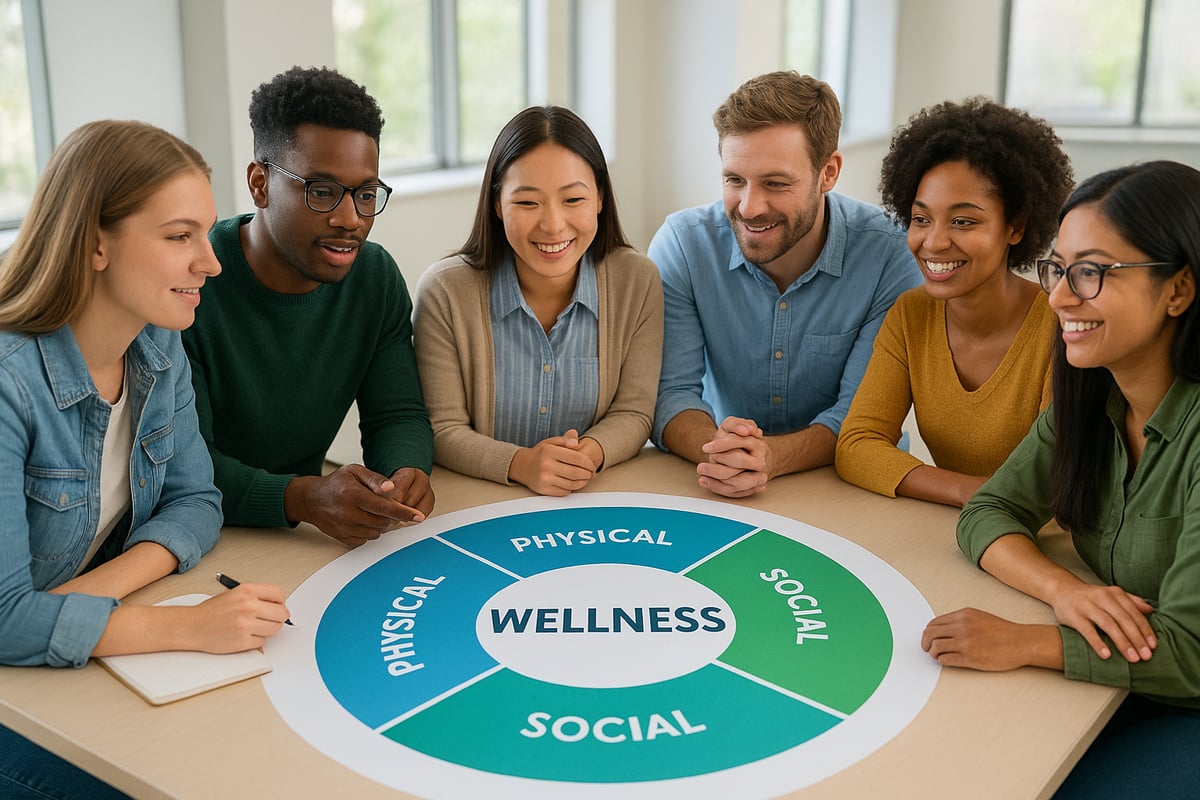
University Wellbeing Models
Universities have become pioneers in wellbeing model innovation. The University of Minnesota’s Model of Wellbeing stands out for its integration of academic, social, and personal growth elements. Montana State University’s HHD Well-Being Model emphasizes holistic daily routines, weaving physical, emotional, and intellectual wellness into campus life.
Cleveland State’s Shine Well model is notable for its cross-departmental collaboration, ensuring that wellbeing is not siloed within student services. Wake Forest’s Thrive program fosters community connection, making the wellbeing model a core part of campus culture.
These university-led examples demonstrate how a wellbeing model can be tailored to specific populations and contexts. Their multidimensional focus encourages students and staff to engage in self-assessment, goal-setting, and community involvement.
Non-University and Global Wellbeing Models
Beyond academia, several influential frameworks shape the wellbeing model conversation. The PERMA Model, rooted in positive psychology, highlights five key pillars: Positive Emotion, Engagement, Relationships, Meaning, and Accomplishment. SAMHSA’s Eight Dimensions of Wellness and the National Wellness Institute’s Six Dimensions both offer comprehensive views, adding facets like occupational and environmental wellness.
Ryff’s Psychological Well-Being Model focuses on autonomy, environmental mastery, and personal growth. The Okanagan Charter has gained global traction, encouraging institutions to embed health into all aspects of policy and practice.
Comparative research, such as the Multidimensional Wellbeing Index for Peru, underscores the value of assessing multiple aspects of wellbeing. These global insights help organizations adapt a wellbeing model for diverse cultural and social contexts.
Collective Impact and Ecological Frameworks
A growing trend in the wellbeing model field is the adoption of collective impact and ecological approaches. The RWJF Culture of Health framework and the Healthy Universities Model both prioritize cross-sector collaboration, integrating public health, education, and community resources.
These models recognize that individual wellbeing is deeply influenced by environmental, policy, and societal factors. By embedding a wellbeing model at every level, organizations can drive systemic change and increase resilience across populations.
Comparative Table: Key Wellbeing Models and Dimensions
| Model/Framework | Key Dimensions Included | Setting |
|---|---|---|
| University of Minnesota | Physical, Emotional, Social, Academic, Spiritual | University |
| Montana State HHD | Physical, Emotional, Intellectual, Social | University |
| PERMA | Positive Emotion, Engagement, Relationships, Meaning, Accomplishment | Individual/General |
| SAMHSA Eight Dimensions | Emotional, Environmental, Financial, Intellectual, Occupational, Physical, Social, Spiritual | General/Organizations |
| NWI Six Dimensions | Physical, Emotional, Occupational, Intellectual, Social, Spiritual | General |
| RWJF Culture of Health | Community, Policy, Health Equity, Social Support | Community/National |
This table highlights how each wellbeing model prioritizes different, yet interconnected, dimensions. It becomes clear that no single approach fits all; instead, models must be selected and adapted based on context.
Emerging Principles and Insights
Across all settings, successful implementation of a wellbeing model relies on certain core principles. Collaboration stands out, as models increasingly involve stakeholders from various backgrounds. Flexibility is also key, allowing models to evolve with changing needs and evidence.
Models with integrated mental health and social support components consistently deliver improved outcomes. The JED Foundation’s Model for Mental Health Promotion, for example, has been widely adopted by campuses seeking to address student mental health proactively.
In summary, the wellbeing model landscape in 2026 is more collaborative, evidence-based, and adaptable than ever before. Whether in universities, workplaces, or communities, selecting the right wellbeing model—and customizing it for your unique environment—is essential for achieving lasting balance.
Step-by-Step Strategies for Achieving Lasting Balance
Achieving lasting balance requires more than good intentions. It calls for a structured approach rooted in a trusted wellbeing model. By following a step-by-step process, you can move from awareness to sustainable action, building habits that support every dimension of your wellbeing. This guide outlines practical strategies based on leading wellbeing models, helping you create a personalized path to resilience and fulfillment.

Step 1: Assess Your Current Wellbeing
Begin your journey by evaluating where you stand. A wellbeing model starts with honest self-assessment. Use tools like self-assessment surveys, wellness wheels, or professional evaluations to gain a clear picture of your strengths and areas for growth.
For example, the University of Minnesota offers an online wellbeing self-assessment that covers physical, emotional, and social health. These tools help you identify patterns and set a baseline for progress.
Research shows 60% of people who assess their wellbeing are more engaged in improvement activities. By using a structured wellbeing model, you ensure your actions are informed and intentional.
Self-awareness is the first step to meaningful change. Take time to reflect and gather data about your current state before moving forward.
Step 2: Set Personalized Wellbeing Goals
Once you understand your starting point, use your wellbeing model to set specific goals. Effective goals are SMART: Specific, Measurable, Achievable, Relevant, and Time-bound.
Personalized goals boost motivation and make progress tangible. For example, you might decide to improve your sleep quality by setting a bedtime routine or commit to connecting with friends weekly to enhance social wellbeing.
Align each goal with a dimension from your chosen wellbeing model. Whether your focus is physical, emotional, or financial, clarity in your objectives will keep you on track.
Remember, goals should stretch you but remain realistic. Celebrate progress as you move from intention to action.
Step 3: Integrate Multidimensional Wellbeing Practices
A robust wellbeing model encourages daily habits across all dimensions. Small, consistent actions in each area lead to lasting results. Consider this table of practices aligned with common wellbeing model dimensions:
| Dimension | Daily Practice Example |
|---|---|
| Physical | 30-minute walk or exercise |
| Emotional | Mindfulness or journaling |
| Social | Reach out to a friend |
| Intellectual | Read or learn something new |
| Spiritual | Meditation or reflection |
| Environmental | Organize your workspace |
| Occupational | Set clear work priorities |
| Financial | Track daily expenses |
Evidence from the PERMA and National Wellness Institute models shows that multidimensional routines increase life satisfaction. For instance, Montana State’s HHD Model recommends holistic daily habits tailored to your needs.
Physical activity, in particular, is vital for overall health. Learn more about the Benefits of Exercise for Wellness and how it supports your wellbeing model.
Start with small changes. Over time, these habits compound, creating a strong foundation for balance.
Step 4: Build Support Systems and Community Connections
No wellbeing model is complete without social support. Leverage campus, workplace, or community resources such as wellness committees, peer groups, or online forums.
The CDC identifies social support as a top predictor of sustained wellbeing. Wake Forest’s Thrive program, for example, fosters community engagement through group activities and peer support.
Collaboration builds accountability and reduces stigma. By connecting with others, you share experiences, gain encouragement, and sustain momentum in your wellbeing journey.
Seek out programs and partners aligned with your wellbeing model for the best results.
Step 5: Monitor Progress and Adjust Strategies
Regular check-ins are essential for growth. Use monthly self-reflections, feedback from wellbeing committees, or digital tracking tools to review your progress.
A flexible wellbeing model allows you to adjust your approach as life changes. If a strategy is not working, modify it to better fit your needs.
Adaptability ensures you stay on the path to balance. Celebrate successes, learn from setbacks, and keep your wellbeing model dynamic.
Step 6: Sustain Wellbeing Through Lifelong Learning
Wellbeing is not a destination but a continuous process. Ongoing education, skill-building, and openness to new ideas are key to lasting balance.
Participate in workshops, online courses, or wellness challenges to keep your knowledge fresh. Lifelong learning is closely linked to resilience and adaptability in any wellbeing model.
Stay curious and proactive. By investing in your growth, you ensure your wellbeing model evolves with you.
Overcoming Common Barriers to Wellbeing
Achieving sustainable balance through a wellbeing model is not without its challenges. Despite best intentions, many individuals encounter obstacles that make it difficult to maintain consistent wellbeing practices. Recognizing and addressing these barriers is essential for unlocking the full benefits of any wellbeing model.
One of the most commonly reported barriers is lack of time. According to the CDC, 45% of adults identify time constraints as the main reason they struggle to engage in wellbeing activities. Busy schedules, family responsibilities, and competing priorities often lead to self-care being deprioritized.
Motivation can also be elusive. Even with access to a robust wellbeing model, fluctuating energy levels, stress, and a lack of immediate results can deter people from sticking with healthy routines. Limited resources further complicate matters, especially for those without easy access to wellness programs, fitness facilities, or supportive social networks.
Cultural stigma plays a significant role. In many communities, discussing mental health or asking for help is still viewed as a weakness. This stigma can prevent people from utilizing the full spectrum of a wellbeing model, particularly in the areas of emotional and psychological support.
Societal pressures and digital overload add another layer of complexity. The constant stream of information, notifications, and social comparisons can fuel anxiety and a sense of inadequacy. This digital noise often distracts from mindful engagement with any wellbeing model and can undermine efforts to create lasting balance.
Self-compassion is a powerful antidote. Instead of striving for perfection, embracing flexibility and self-forgiveness can help individuals get back on track after setbacks. Normalizing conversations about mental health, both in personal circles and within organizations, reduces stigma and creates a supportive environment for wellbeing model adoption.
Below is a table summarizing common barriers and effective strategies for overcoming them:
| Barrier | Strategy |
|---|---|
| Time constraints | Prioritize, schedule, set boundaries |
| Lack of motivation | Set SMART goals, celebrate small wins |
| Limited resources | Use low-cost/free programs, community groups |
| Cultural stigma | Normalize mental health discussions |
| Digital overload | Set tech boundaries, practice mindfulness |
Flexible, low-cost wellness options can make a significant difference. Many universities and organizations now offer virtual resources, on-demand classes, and peer support groups to help people connect with a wellbeing model that fits their lifestyle.
Integrating holistic practices is also key. Approaches like yoga, mindfulness, and balanced nutrition support both physical and emotional health. For example, Yoga and Mental Balance highlights how yoga can be an accessible, effective tool for managing stress and improving overall wellbeing within any wellbeing model.
Programs that blend mental health support with physical wellness see notable results. According to NIRSA, participation rates increase by 30% when these elements are combined. This demonstrates that a multidimensional approach within a wellbeing model leads to higher engagement and more sustainable outcomes.
Ultimately, overcoming barriers requires both individual effort and systemic support. By prioritizing time management, seeking professional guidance, and fostering a culture of openness, individuals and organizations can ensure their wellbeing model delivers lasting benefits. The journey may have obstacles, but with the right strategies, lasting balance is within reach.

Implementing Wellbeing Models in Organizations and Communities
Implementing a wellbeing model within an organization or community is a transformative process that requires intentional leadership, collaboration, and a commitment to ongoing improvement. As wellbeing becomes a strategic priority, leaders play a critical role in setting the vision and ensuring that the wellbeing model aligns with core values and goals.
Leadership Commitment and Vision
Successful integration of a wellbeing model starts with visible support from top leadership. Executives and managers need to champion the initiative, allocate resources, and communicate the importance of wellbeing across all levels.
By establishing clear objectives and aligning the wellbeing model with organizational strategy, leaders create a foundation for lasting change. This commitment signals to employees or community members that wellbeing is both valued and prioritized.
Building Collaborative Structures
Cross-departmental collaboration is essential for effective implementation. Forming a dedicated wellbeing committee or task force brings together diverse perspectives, including HR, health professionals, student services, and representatives from various departments.
For example, NIRSA’s campus-wide approach involves multiple stakeholders to ensure programs are relevant and accessible. Introducing team members who champion wellness, like those featured on the Meet the Wellness Team page, can foster trust and inspire participation throughout the organization.
Fostering Equity and Strategic Resource Allocation
A comprehensive wellbeing model must address equity, diversity, and inclusion. Tailoring programs to reflect the unique needs of all community members ensures that no group is left behind.
Policy alignment and thoughtful resource allocation are critical. Organizations that integrate wellbeing into their formal policies and provide adequate funding see stronger participation and outcomes. The CDC reports that organizations with structured wellbeing model initiatives experience a 25 percent reduction in absenteeism.
Assessment and Continuous Improvement
Ongoing assessment is vital for measuring the impact of a wellbeing model. Regular feedback from participants, surveys, and data-driven evaluations help identify what is working and where adjustments are needed.
Leaders should encourage a culture of continuous improvement, using insights from assessments to refine programs and address emerging needs. The RWJF’s Culture of Health Action Framework serves as an example of how structured feedback loops enhance community wellbeing.
Communication and Engagement Strategies
Clear, targeted communication increases engagement with the wellbeing model. Branding initiatives and visual tools, such as wellness wheels and infographics, make complex concepts more accessible and memorable.
Organizations benefit from promoting wellbeing activities through newsletters, workshops, and events. Visual resources help individuals quickly identify their strengths and growth areas, making it easier to participate and stay motivated.
Measuring Success and Celebrating Impact
Tracking progress and celebrating achievements are essential for sustaining momentum. Collecting and sharing success stories, along with key performance indicators, demonstrates the value of the wellbeing model.
Collaborative approaches foster higher satisfaction and retention rates. When stakeholders see tangible results, enthusiasm for the wellbeing model grows, encouraging continued investment and participation.
Conclusion
Implementing a wellbeing model in organizations and communities is a dynamic, ongoing journey. By prioritizing leadership, collaboration, equity, and continuous improvement, institutions can build resilient systems that support holistic health for everyone involved.
Regular assessment, strategic communication, and celebrating successes ensure that the wellbeing model remains relevant and impactful. As the landscape evolves, organizations that embrace these principles will lead the way in fostering lasting balance and wellbeing.
The Future of Wellbeing Models: Trends and Innovations for 2026
The future of the wellbeing model is rapidly evolving, driven by digital transformation and the integration of advanced technologies. In 2026, wellbeing models are no longer static frameworks; they are dynamic, interactive, and deeply personalized. Artificial intelligence is at the forefront, offering self-assessment tools that adapt to individual needs. Personalized wellness apps now provide real-time feedback and tailored recommendations, empowering users to take ownership of their health journeys.
Organizations are embracing these changes, especially as hybrid and remote work become the norm. The wellbeing model is now central to people strategy, focusing on flexibility, mental health support, and digital engagement. According to Well-Being Trends Shaping People Strategy in 2026, 80 percent of organizations plan to increase investment in digital wellness solutions. This trend reflects a shift toward accessible, scalable wellbeing models that reach employees wherever they are.
Environmental sustainability and social determinants of health are also shaping the future wellbeing model. Models are expanding to include factors such as climate impact, social justice, and community engagement. The Okanagan Charter, for instance, is influencing global policy by encouraging institutions to promote health in all aspects of campus and community life. These developments ensure that wellbeing models remain relevant in a changing world, addressing both individual and collective needs.
Data analytics is playing a crucial role in refining the wellbeing model. Institutions are leveraging data to track progress, identify gaps, and personalize interventions. Gamification is another innovation, especially in university settings, where AI-driven challenges and rewards increase engagement. For example, digital wellness platforms now report 40 percent higher participation rates among younger populations, underscoring the power of interactive technology.
Looking ahead, the wellbeing model is becoming more inclusive and adaptive. There is a growing emphasis on lifelong learning, resilience training, and financial wellness. Models are designed to support individuals at every stage, from students to working professionals and retirees. Tools like the Multidimensional Student Well-being Instrument highlight the importance of measuring wellbeing across diverse groups, ensuring that models are equitable and effective. As technology and research advance, the wellbeing model will continue to evolve, offering personalized pathways to lasting balance and health.
As you explore strategies for achieving lasting balance and discover the power of a holistic wellbeing model, remember that taking the first step toward sustainable health can make all the difference. We believe in supporting you with advanced diagnostics, personalized care, and a wellness-focused approach that addresses your unique needs—so you can truly thrive in every area of life. If you’re ready to put these proven models into action and experience exceptional chiropractic care tailored just for you, Schedule Your Appointment Today. Let’s work together to build your foundation for lifelong wellbeing.