
Discover the future of pain relief and mobility with expert-approved in home chiropractic strategies for 2026. Imagine optimizing your health from the comfort of your living room, guided by the latest advancements and trusted professional insights.
This guide is designed to empower you to take control of your well-being with safe, effective, and modern in home chiropractic care. You will learn the fundamentals, master step-by-step self-care techniques, explore essential tools, and follow expert safety tips.
Ready for pain-free living? Explore easy-to-follow strategies and unlock greater independence, comfort, and wellness at home.
Understanding In Home Chiropractic: What It Is and Why It Matters
In home chiropractic is transforming how people approach musculoskeletal health. Unlike traditional clinic visits, in home chiropractic brings care directly to your living space. This personalized approach is designed for those seeking convenience, flexibility, and greater autonomy over their wellness routines.
Recent years have seen a surge in demand for in home chiropractic. According to industry reports, telehealth consultations and at-home self-care have grown by over 30 percent since 2022. This shift reflects a broader trend toward patient-centered care and digital health solutions. Many individuals now prefer managing their spinal health in the comfort of their own homes, using modern tools and expert guidance.
The benefits of in home chiropractic are substantial. First, it offers unmatched convenience by eliminating travel time and allowing you to schedule sessions around your daily life. Privacy is another key advantage, as you can perform routines without the presence of other patients or clinic staff. Cost savings are significant, too, as you reduce transportation expenses and can invest in reusable tools. Most importantly, in home chiropractic empowers you to take control of your health journey.
A variety of conditions can be effectively managed with in home chiropractic. Common examples include chronic back pain, posture correction, neck stiffness, and mobility challenges. People dealing with tension from prolonged sitting or tech-related posture issues also find relief through these targeted routines. By learning and applying safe techniques, many individuals experience improved flexibility, reduced discomfort, and enhanced daily function.
Despite its advantages, some misconceptions persist about in home chiropractic. A frequent concern is safety. Proper education, adherence to guidelines, and a focus on spinal alignment are crucial for minimizing risks. For a visual understanding of why alignment matters, see the benefits of proper spinal alignment. Another myth is that only professionals can deliver effective care. While certain adjustments require expertise, many self-care methods are safe and evidence-based when practiced correctly.
Telehealth and virtual consultations now play an essential role in in home chiropractic. Through video calls and digital platforms, licensed chiropractors can assess your needs, demonstrate exercises, and monitor your progress remotely. This integration of technology ensures you receive expert oversight while maintaining the comfort and flexibility of home-based care.
Real-world examples highlight the impact of in home chiropractic. Busy parents have regained mobility through short, daily routines. Seniors report improved balance and reduced pain. Remote workers benefit from posture correction and ergonomic adjustments tailored to their specific environments. These stories underscore how in home chiropractic is reshaping modern wellness, making effective care more accessible than ever.
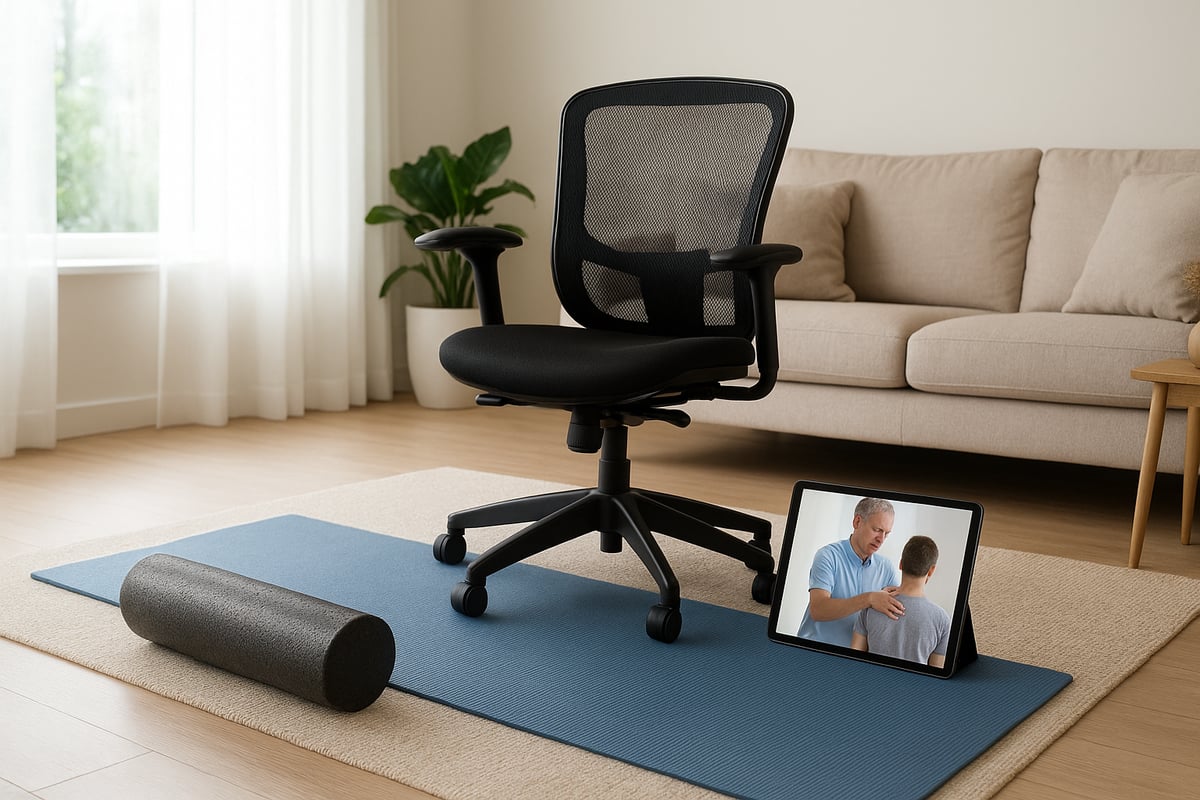
Preparing for In Home Chiropractic: Setting Up Your Space and Tools
Creating an effective environment for in home chiropractic care is the foundation for safe and successful routines. Your space should support both comfort and functionality, making every session more productive and enjoyable.
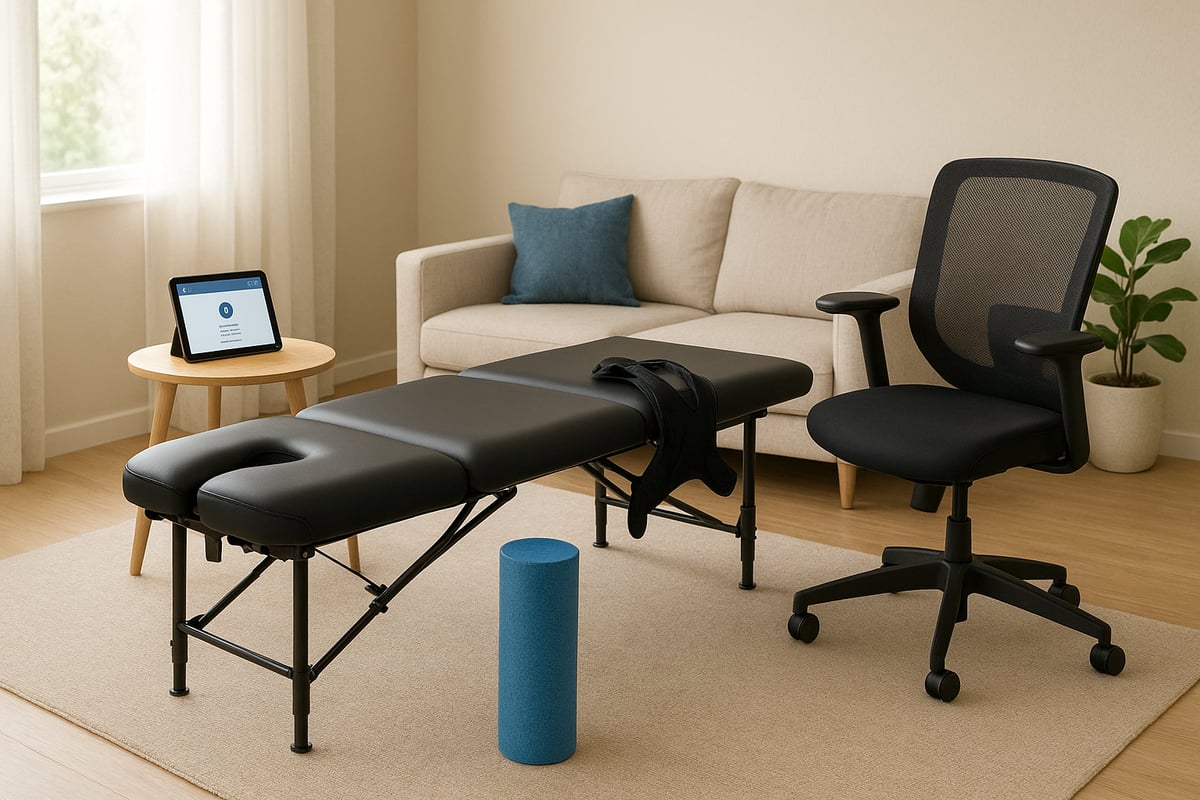
Creating Your In Home Chiropractic Space
Begin by selecting a quiet area in your home that allows for free movement and privacy. Ideally, this space should have enough room for stretching, using equipment, and performing in home chiropractic routines without obstacles.
Keep the area clean and organized. A dedicated yoga mat or portable chiropractic table can help define your practice space. Good ventilation and natural light enhance both comfort and focus, making each session more effective.
Essential Tools and Equipment
Having the right tools is crucial for in home chiropractic success. Here’s a table summarizing some essential items and their benefits:
| Tool | Purpose | Benefit |
|---|---|---|
| Chiropractic Table | Support for adjustments | Comfort, safety |
| Foam Roller | Myofascial release, stretching | Reduces muscle tension |
| Posture Corrector | Posture alignment | Prevents strain |
| Ergonomic Chair | Daily support | Promotes spinal health |
Invest in quality tools that suit your needs and space. Many compact options are ideal for apartments or small rooms, making in home chiropractic accessible in any living situation.
Optimizing Your Environment
Lighting plays a key role in your practice. Choose a spot with ample daylight or use adjustable lamps to avoid eye strain. Ensure the floor is clear of clutter to reduce the risk of trips or falls during in home chiropractic exercises.
Minimize distractions by silencing your phone and informing others when you will be practicing. Privacy helps you focus on your body and technique. For shared living spaces, use folding screens or curtains to create a sense of separation.
Digital Resources and Safety Checks
Leverage technology to enhance your in home chiropractic experience. Telehealth platforms and wellness apps provide guided routines, progress tracking, and access to professional advice. For specialized exercises, resources like Chiropractic exercises for women offer targeted, expert-approved routines you can follow at home.
Before each session, perform a quick safety check: inspect your equipment, ensure the area is clear, and listen to your body’s cues. Adapt your setup for different living arrangements, such as using a foldable table in apartments or dedicating a spare room in larger homes. This proactive approach ensures that in home chiropractic care remains both safe and effective.
Step-by-Step In Home Chiropractic Techniques for 2026
Taking a structured approach to in home chiropractic empowers you to manage pain, improve mobility, and maintain spinal health safely. By following proven routines and expert-backed guidance, you can optimize your results and minimize risks.
This step-by-step guide covers essential warm-up and mobility exercises, core self-adjustment techniques, and posture correction strategies. Each routine is designed for clarity, safety, and effectiveness, ensuring your in home chiropractic practice is both rewarding and sustainable.

Warm-Up and Mobility Exercises
Before any in home chiropractic technique, warming up is vital. Gentle movement prepares muscles and joints, reducing the risk of strain or injury.
Start with dynamic stretches. These include gentle neck rotations, shoulder rolls, and cat-cow stretches for spinal flexibility. Move slowly and never force a stretch. Focus on controlled breathing to oxygenate your muscles and prime your nervous system for the session ahead.
A simple warm-up routine might look like this:
- Neck rotations: Slowly turn your head left and right, then tilt ear to shoulder.
- Shoulder circles: Roll shoulders forward and backward, ten times each.
- Cat-cow pose: Alternate arching and rounding your back while on all fours, repeating for one minute.
- Pelvic tilts: Lie on your back with knees bent, gently arch and flatten your lower back.
These movements enhance blood flow and increase spinal mobility, forming the foundation of safe in home chiropractic care.
For those with limited mobility, chair-based stretches are effective. Always listen to your body and stop if you feel pain. For best results, dedicate five to ten minutes to warming up before any adjustment or mobility work.
Tracking your progress can be as simple as noting improvements in flexibility or comfort over time. Consistency is key. With regular practice, you’ll notice easier movement and reduced tension, making in home chiropractic both safe and rewarding.
Core Self-Adjustment Techniques
Once warmed up, you can move into core self-adjustment methods. These techniques focus on the neck, mid-back, and lower back, areas most commonly affected by daily stress and posture habits.
Self-Assessment: Begin by scanning your body for areas of discomfort or restricted movement. Gently palpate your spine and muscles, noting any tenderness or tightness. This step helps you target your in home chiropractic routine.
Neck Technique: While seated, gently grasp the base of your skull and perform slow, controlled neck tilts. Avoid sudden or forceful movements. If you feel resistance, do not push further.
Thoracic Mobility: Use a foam roller to support your mid-back. Lie on your back, cross your arms over your chest, and gently roll up and down, pausing on tight spots. This mobilizes the thoracic spine and improves posture.
Low Back Release: Lying on your back, hug your knees to your chest and gently rock side to side. This relieves lumbar tension and supports lower back health.
Joint Adjustments: For wrists or ankles, perform gentle rotations and flexion-extension movements. Never use excessive force or attempt high-velocity thrusts at home.
Safety Tips:
- Always avoid any technique that causes sharp pain, numbness, or tingling.
- Do not attempt to adjust your neck with quick twisting motions.
- If discomfort persists or worsens, stop immediately.
Advanced users may incorporate resistance bands or mobility tools, but foundational in home chiropractic routines should always prioritize safety. According to current research trends, evidence-based techniques and patient education are key to successful outcomes.
Document your sessions to track which self-adjustments bring relief. Over time, you’ll refine your approach and gain confidence in your in home chiropractic abilities.
Posture Correction and Ergonomics
Posture plays a crucial role in spinal health and long-term comfort. In home chiropractic routines should always integrate posture awareness and ergonomic adjustments.
Begin by evaluating your typical sitting and standing positions. Are your shoulders rounded? Is your head jutting forward? Use mirrors or smartphone cameras for visual feedback.
Posture Correction Methods:
- Wall Angels: Stand with your back against a wall, arms bent, and slowly slide them up and down. This activates upper back muscles and improves alignment.
- Chin Tucks: Gently draw your chin back, lengthening the neck and countering forward-head posture.
- Seated Alignment: Ensure feet are flat, hips and knees at 90 degrees, and screen at eye level.
Prolonged device use can lead to “tech neck” and rounded shoulders. Take regular breaks, set reminders to move, and use ergonomic furniture when possible.
For daily activities, focus on distributing weight evenly and avoiding slouching. Simple cues like keeping your ears over your shoulders and engaging core muscles can reinforce healthy habits.
Table: Quick-Reference Posture Tips
| Activity | Common Mistake | Correction Tip |
|---|---|---|
| Desk Work | Slouching | Sit tall, use lumbar support |
| Phone Use | Head forward | Raise device to eye level |
| Standing | Locked knees | Soften knees, shift weight |
Personalize your in home chiropractic posture plan by noting which corrections feel most natural. Over time, these small adjustments accumulate, leading to noticeable improvements in comfort and energy.
Incorporate posture checks into your routine, especially after long periods of sitting or screen time. As you progress, you’ll find your in home chiropractic efforts yield lasting benefits in both how you look and how you feel.
Safety and Best Practices: Avoiding Risks in Home Chiropractic
Prioritizing safety is essential when practicing in home chiropractic. While self-care empowers you to manage pain and mobility, following best practices reduces the risk of injury and maximizes the benefits of your routine.

Safety Guidelines for In Home Chiropractic
Always begin your in home chiropractic routine with a safety check. Ensure your space is clear of obstacles, the floor is stable, and your equipment is in good condition. Use proper lighting to see your movements clearly.
Before any adjustment or exercise, warm up your muscles to reduce strain. Never rush through movements or force your body into uncomfortable positions. Instead, move slowly and with intent.
Keep a checklist handy:
- Clear, clutter-free space
- Stable, supportive surfaces
- Clean, sanitized equipment
- Comfortable temperature and clothing
- Emergency contact information nearby
Following these guidelines helps create a safe foundation for your in home chiropractic practice.
Recognizing and Avoiding Mistakes
Listening to your body is crucial for effective in home chiropractic care. Discomfort, sharp pain, or dizziness are signs to stop immediately. Never attempt high-velocity or forceful adjustments on your own.
Common mistakes to avoid:
- Over-adjusting the same area repeatedly
- Using improper technique or poor posture
- Ignoring persistent or worsening symptoms
- Attempting advanced maneuvers without guidance
If you notice any numbness, tingling, sudden weakness, or loss of balance, discontinue your session. These symptoms may indicate a more serious issue that requires attention.
When to Stop and Seek Help
There are clear situations where in home chiropractic should be paused. Severe pain, neurological symptoms, or a lack of improvement after consistent self-care are all red flags. If you experience any of these, seek professional evaluation immediately.
Emergency protocols include stopping all exercises, resting in a safe position, and contacting a healthcare provider if symptoms escalate. Remember, in home chiropractic is not a replacement for professional diagnosis or treatment in acute cases.
The Importance of Professional Oversight
Balancing self-care with expert input is essential for safe and effective outcomes. While in home chiropractic offers independence, regular check-ins with a licensed chiropractor provide guidance and catch issues early.
For personalized advice and ongoing support, consider connecting with a professional. You can meet the chiropractic team to ensure your self-care plan aligns with best practices and your unique health needs.
By respecting your limits, staying informed, and integrating professional oversight, you can safely enjoy the benefits of in home chiropractic while minimizing risks.
Advanced Strategies: Optimizing Your In Home Chiropractic Routine
Elevating your in home chiropractic routine means embracing advanced strategies that maximize your results and long-term well-being. As you gain confidence with foundational techniques, integrating progressive methods, holistic support, and technology can transform your experience.
Progressive Techniques and Tools
To get the most from in home chiropractic care, consider adding advanced stretching routines, resistance bands, and trigger point therapy to your regimen. These techniques target deeper muscle layers and improve spinal mobility.
A variety of tools can enhance your practice:
| Tool | Use Case | Benefit |
|---|---|---|
| Resistance bands | Mobility, strength exercises | Versatility, control |
| Foam rollers | Myofascial release, recovery | Reduces muscle tension |
| Massage balls | Trigger point therapy | Pinpoint relief |
Experimenting with these tools, under virtual guidance if needed, allows you to personalize your in home chiropractic routine. Always prioritize gradual progress and proper technique to avoid strain.
Nutrition, Hydration, and Sleep
Optimal nutrition, hydration, and sleep are crucial for supporting spinal health and maximizing the benefits of in home chiropractic care. A balanced diet rich in anti-inflammatory foods, lean proteins, and essential vitamins provides the building blocks for recovery and resilience.
Staying hydrated keeps joints lubricated and muscles flexible, while quality sleep allows for tissue repair and nervous system balance. For more detailed recommendations, explore this chiropractic nutrition advice to align your lifestyle with your spinal wellness goals.
Integrating these healthy habits with your daily routine amplifies the effectiveness of in home chiropractic strategies.
Tracking Progress and Goal Setting
Consistent tracking is key to measuring the success of your in home chiropractic efforts. Use digital health apps or simple journals to monitor pain levels, range of motion, and session frequency.
Set specific, achievable goals, such as improving posture, increasing flexibility, or reducing discomfort during daily activities. Break larger goals into smaller milestones, and celebrate each achievement to maintain motivation.
By regularly reviewing your progress, you can adjust your in home chiropractic plan and ensure continuous improvement tailored to your needs.
Mindfulness, Community, and Ongoing Learning
Mindfulness and breathing exercises complement in home chiropractic by reducing stress and encouraging body awareness. Simple techniques like deep diaphragmatic breathing or guided relaxation help your body respond more positively to adjustments and exercises.
Consider joining online communities, wellness groups, or accountability partnerships to share experiences and stay motivated. Engaging with others can provide valuable support and keep you informed about the latest research and techniques.
Commit to ongoing education by exploring reputable resources, attending webinars, or following chiropractic news. Staying updated empowers you to adapt your in home chiropractic practice for lasting results.
The Future of In Home Chiropractic: Trends and Innovations for 2026
The landscape of in home chiropractic is evolving rapidly, driven by technological breakthroughs and changing patient needs. As we approach 2026, innovative solutions are transforming how individuals manage pain and mobility from the comfort of their own homes.
Emerging Technologies in In Home Chiropractic
Artificial intelligence is making a significant impact on in home chiropractic. AI-powered apps now guide users through self-assessment and safe adjustment routines. Virtual reality platforms offer immersive training, helping users learn proper techniques in a controlled environment.
Wearable health tech, such as smart posture correctors and movement trackers, delivers real-time feedback. These devices help users monitor their progress and avoid common mistakes, making in home chiropractic both safer and more effective.
The Rise of Telehealth and Remote Care
Telehealth is now a cornerstone of in home chiropractic, allowing patients to consult with licensed professionals from anywhere. Through secure video calls, chiropractors can assess posture, recommend personalized routines, and monitor recovery. According to the American Chiropractic Association, the integration of telehealth services has significantly improved accessibility and patient outcomes in recent years. For more information, see Telehealth adoption in chiropractic care.
As virtual consultations become more advanced, expect to see AI-driven chatbots assisting with scheduling, reminders, and even triage support. These advancements ensure that in home chiropractic continues to meet the needs of a diverse population.
Consumer Demand and Policy Shifts
The growing preference for wellness and self-care is propelling in home chiropractic into the mainstream. More consumers now seek independence in managing their health, valuing convenience and privacy. This shift is prompting insurers and policymakers to consider broader coverage and support for at-home care solutions.
Healthcare policy is gradually adapting to these trends, with some insurers beginning to reimburse virtual chiropractic visits and home equipment. This evolution is expected to lower barriers and make in home chiropractic accessible to even more people.
Innovations Improving Outcomes
New research and device development are fueling better results for users. For instance, smart tables with built-in sensors can guide users through safe positioning and adjustments. AI-driven analytics track progress over time, helping individuals fine-tune their routines for maximum benefit.
Leading experts predict that by 2026, community platforms and online support groups will play a larger role in in home chiropractic. These networks offer motivation, accountability, and access to the latest evidence-based practices.
With these innovations, in home chiropractic is set to deliver greater independence, improved outcomes, and a higher quality of life for people everywhere.
As you explore the possibilities of in home chiropractic care, you’ll discover just how empowering it can be to take charge of your well being from the comfort of your own space. Our wellness focused approach, along with expert guidance and the latest technology, helps you enjoy lasting relief and a higher quality of life. If you’re ready to personalize your care and experience the benefits of a tailored chiropractic plan, let’s take the next step together. Schedule Your Appointment Today and start your journey toward optimal health and vitality.