
Are you searching for a safe, effective way to manage pain and discomfort at home? The ultimate home chiropractic guide for 2026 offers natural solutions, expert insights, and practical tips you can trust. Learn how home chiropractic empowers you to take charge of your well-being, with step-by-step techniques, proven self-care tools, prevention strategies, and guidance on when to seek professional help. Discover the benefits, understand the risks, and unlock actionable methods for lasting relief, all designed to help you live healthier—without relying on medication.
Understanding Home Chiropractic: Principles and Benefits
Exploring home chiropractic is the first step toward taking control of your well-being. Many people are turning to home chiropractic to address discomfort without medication or frequent clinic visits. Understanding what this approach involves, its guiding principles, benefits, and limitations will empower you to make informed decisions about your care.

What is Home Chiropractic Care?
Home chiropractic refers to the practice of applying chiropractic-inspired self-care techniques in your own environment. Unlike professional chiropractic, which involves hands-on adjustments by a licensed practitioner, home chiropractic focuses on gentle stretches, posture correction, and movement routines you can perform safely at home.
The scope includes exercises, self-massage, and the use of simple tools to relieve tension or discomfort. A common misconception is that home chiropractic can fully replace professional care, but in reality, it is intended for maintenance and prevention, not for treating acute or complex conditions. Typical practices involve mindful stretching, mobility drills, and ergonomic adjustments to daily routines.
Key Principles of Chiropractic Wellness
At the core of home chiropractic is the belief that spinal health influences your entire body. Proper spinal alignment supports nervous system balance, which affects everything from muscle function to stress levels. The holistic approach of home chiropractic aims to address root causes of pain, not just mask symptoms.
This method recognizes the vital mind-body connection, encouraging practices that support both physical and mental healing. For more on the foundational elements of spinal wellness, you may find the Spinal Health and Wellness resource valuable in understanding how alignment and lifestyle impact your health.
Benefits of Home Chiropractic Methods
Home chiropractic offers a range of advantages for those seeking natural relief. Its most significant benefit is drug-free, non-invasive pain management. Regular practice can improve mobility, flexibility, and posture, making daily activities easier and more comfortable.
Many individuals also report enhanced energy, better sleep, and reduced stress through consistent home chiropractic routines. Preventive self-care helps reduce the risk of chronic problems. According to recent studies, the preference for holistic pain management is on the rise, with more people choosing options like home chiropractic for long-term wellness.
Risks and Limitations to Consider
While home chiropractic is generally safe when performed correctly, there are important risks to acknowledge. Improper self-adjustments can lead to increased pain or even injury. Not all conditions are suitable for home chiropractic, such as severe spinal disorders, recent trauma, or neurological symptoms.
Warning signs that require caution include numbness, severe pain, or loss of function. If these occur, it is essential to avoid further self-care and consult a professional. Always respect your body’s limits and recognize when expert evaluation is necessary.
Who Can Benefit Most from Home Chiropractic?
Home chiropractic is suitable for a wide range of individuals. Adults who spend long hours at desks or have sedentary lifestyles often benefit from regular movement and posture correction. Athletes and active individuals use home chiropractic to support recovery and maintain flexibility.
Seniors appreciate the gentle, ongoing relief provided by home chiropractic routines. Families interested in preventive wellness can integrate these simple practices into their daily lives, promoting lifelong spinal health for every member.
Essential Safety Guidelines for Home Chiropractic
Prioritizing safety is the foundation of every effective home chiropractic routine. By following expert-backed precautions, you can confidently care for your spine and joints, reducing risk and maximizing results. Let us explore the essential steps for safe practice in any home environment.

Preparing for Safe Self-Care
Before beginning any home chiropractic activity, set the stage for success with mindful preparation. Always start with light warm-ups and gentle stretching to increase blood flow and reduce muscle stiffness. A dedicated, clutter-free area provides a safe backdrop for your routine.
- Use a supportive mat or firm surface.
- Wear comfortable, non-restrictive clothing.
- Keep water nearby for hydration.
Know your body’s limits. Never rush or push through sharp pain. By respecting your boundaries, you make home chiropractic both safe and effective. Listen to your body and stop at the first sign of discomfort.
Recognizing Contraindications and Red Flags
Some symptoms mean home chiropractic is not appropriate. If you experience numbness, severe pain, or loss of function, stop immediately. These are signs that need urgent professional attention.
Specific conditions, such as osteoporosis, arthritis, or recent injuries, require extra caution. Refer to evidence-based resources like the WHO guidelines on chiropractic safety for a detailed list of contraindications and safe practices.
If you have chronic health issues, consult your healthcare provider before starting any home chiropractic method. Early recognition of red flags protects you from unnecessary risk.
Proper Technique vs. Common Mistakes
Technique matters greatly in home chiropractic care. Avoid forceful self-adjustments, as these can cause joint strain or aggravate existing problems. Focus on slow, controlled movements, and never use excessive force.
Common mistakes to avoid:
- Over-rotating the spine or neck.
- Ignoring pain signals.
- Using tools incorrectly or unsafely.
Gentle, mindful techniques are central to home chiropractic. Prioritize quality over intensity for the best results and lowest risk.
When to Consult a Professional Chiropractor
There are times when home chiropractic is not enough. Persistent or worsening pain, new injuries, or neurological symptoms signal the need for expert evaluation. Professional chiropractors offer diagnostic tools and advanced care that home routines cannot replace.
Seeking guidance does not mean abandoning self-care. Instead, it ensures your approach is safe and tailored to your needs. Combining home chiropractic with professional input leads to optimal long-term well-being.
Step-by-Step Home Chiropractic Techniques for Natural Relief
Discovering effective home chiropractic techniques can empower you to manage pain and enhance your well-being naturally. By following these step-by-step methods, you can safely support your spinal health, improve mobility, and reduce discomfort—all from the comfort of home.
Foundational Self-Care Movements
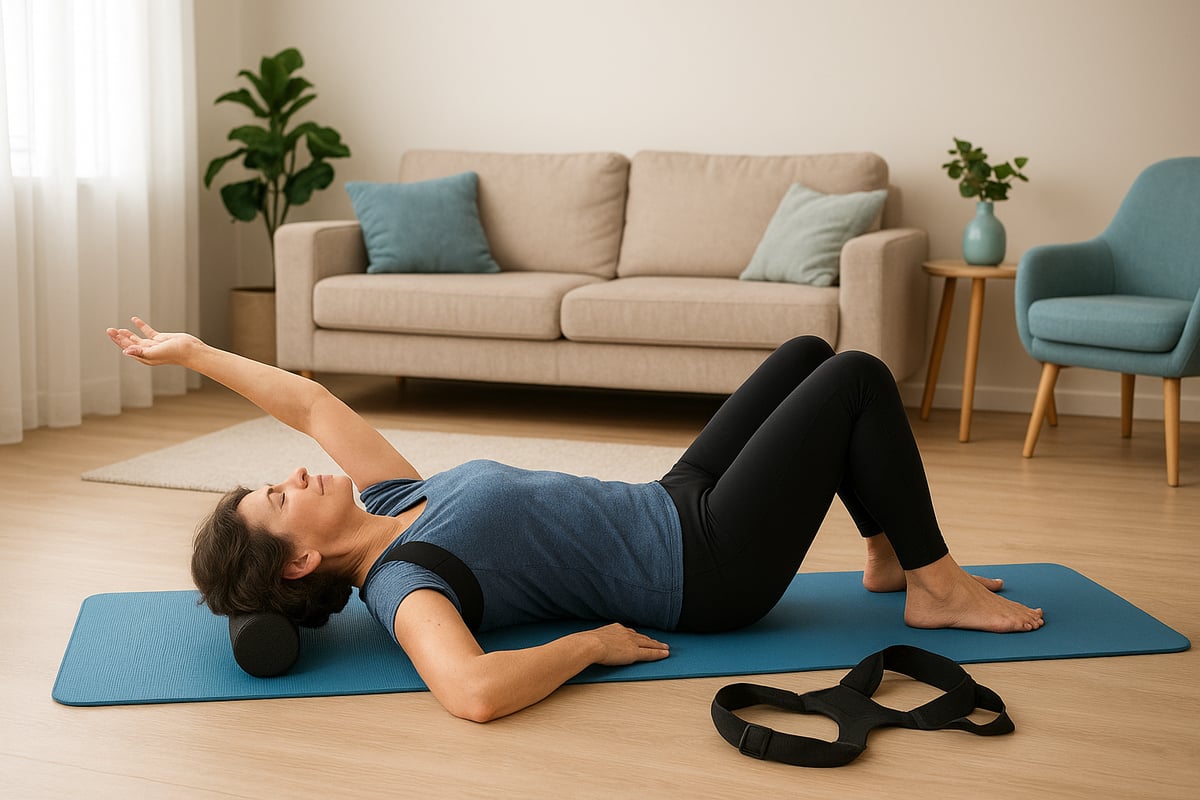
Begin your home chiropractic routine with foundational movements to gently mobilize your spine and relieve tension.
- Neck stretches: Slowly tilt your head side to side, then forward and back, holding each position for 10–15 seconds.
- Gentle spinal twists: Sit upright, cross arms over your chest, and rotate your torso left and right, feeling a stretch along your back.
- Shoulder blade squeezes: Draw your shoulder blades together, hold for several seconds, and release to alleviate upper back tightness.
These simple exercises form the core of home chiropractic care, promoting better posture and reducing daily aches. Practice them consistently to maintain flexibility and prevent stiffness.
Guided Self-Massage and Myofascial Release
Self-massage is a powerful addition to your home chiropractic approach, targeting muscle knots and tension points.
Use your hands to knead the muscles along your neck, shoulders, and lower back. For deeper relief, incorporate foam rollers or massage balls. Roll these tools over tight areas, pausing on sensitive spots for 20–30 seconds to release tension.
Focus on trigger points in the hips, back, and neck. Limit each session to 10–15 minutes, and always listen to your body’s response. Regular self-massage can enhance the benefits of home chiropractic routines and support long-term comfort.
Postural Correction and Ergonomic Adjustments
Proper posture is essential for effective home chiropractic self-care. Set up your workspace with a chair that supports your lower back and a desk at elbow height. Position your computer screen at eye level to reduce neck strain.
Perform daily posture checks—stand tall, draw your shoulders back, and align your ears over your shoulders. Counteract slouching with simple exercises and ergonomic tweaks.
For more detailed guidance, refer to these Exercise and Posture Tips, which offer practical solutions for improving alignment and reducing discomfort during home chiropractic routines.
Mobility and Flexibility Routines
Incorporate dynamic stretching into your home chiropractic care to maintain joint health and prevent stiffness.
- Spinal cat-cow: Alternate arching and rounding your back while on all fours.
- Hip flexor stretches: Step one foot forward into a lunge, keeping your back straight.
- Yoga-inspired moves: Try child’s pose or downward dog to lengthen the spine and relax muscles.
Perform these routines in the morning to energize your body and in the evening to release tension. Regular mobility work supports the goals of home chiropractic by keeping your spine and hips flexible.
Breathing and Relaxation Techniques
Breathing exercises and relaxation strategies are crucial components of home chiropractic wellness.
Practice diaphragmatic breathing—inhale deeply through your nose, letting your abdomen rise, then exhale slowly. Pair breathwork with gentle movements or stretching to enhance relaxation.
Mindfulness techniques, such as body scans or guided imagery, can reduce muscle tension and support healing. Integrate these practices into your home chiropractic sessions to maximize benefits and encourage a calm, focused mindset.
Using Supportive Tools and Devices
Home chiropractic routines can be enhanced with simple, effective tools. Common options include:
| Tool | Purpose | Usage Tip |
|---|---|---|
| Foam roller | Myofascial release | Roll slowly along muscle groups |
| Lumbar support | Spinal alignment in chairs | Place behind lower back when seated |
| Posture corrector | Shoulder and back alignment | Wear for short periods as needed |
Use each device as directed and clean regularly. Proper use of these tools can amplify the benefits of home chiropractic care, making self-care more comfortable and effective.
Tracking Progress and Adjusting Your Routine
Monitoring your results is vital for ongoing success with home chiropractic techniques. Keep a journal to record pain levels, mobility, and any changes in symptoms.
Look for positive signs such as reduced discomfort, increased range of motion, and improved posture. If progress stalls or new issues arise, reassess your routine and consider making adjustments.
Remember, home chiropractic is a dynamic process that should evolve with your needs. Stay flexible, update your plan as necessary, and celebrate your improvements along the way.
Creating a Wellness-Focused Home Environment
A supportive home environment is essential for maximizing the benefits of home chiropractic. Small changes to how you live, work, and interact with your space can have a big impact on your spinal health and overall well-being. By making thoughtful adjustments, you can reduce pain, prevent future issues, and create a foundation for lasting comfort.
Ergonomics for Everyday Living
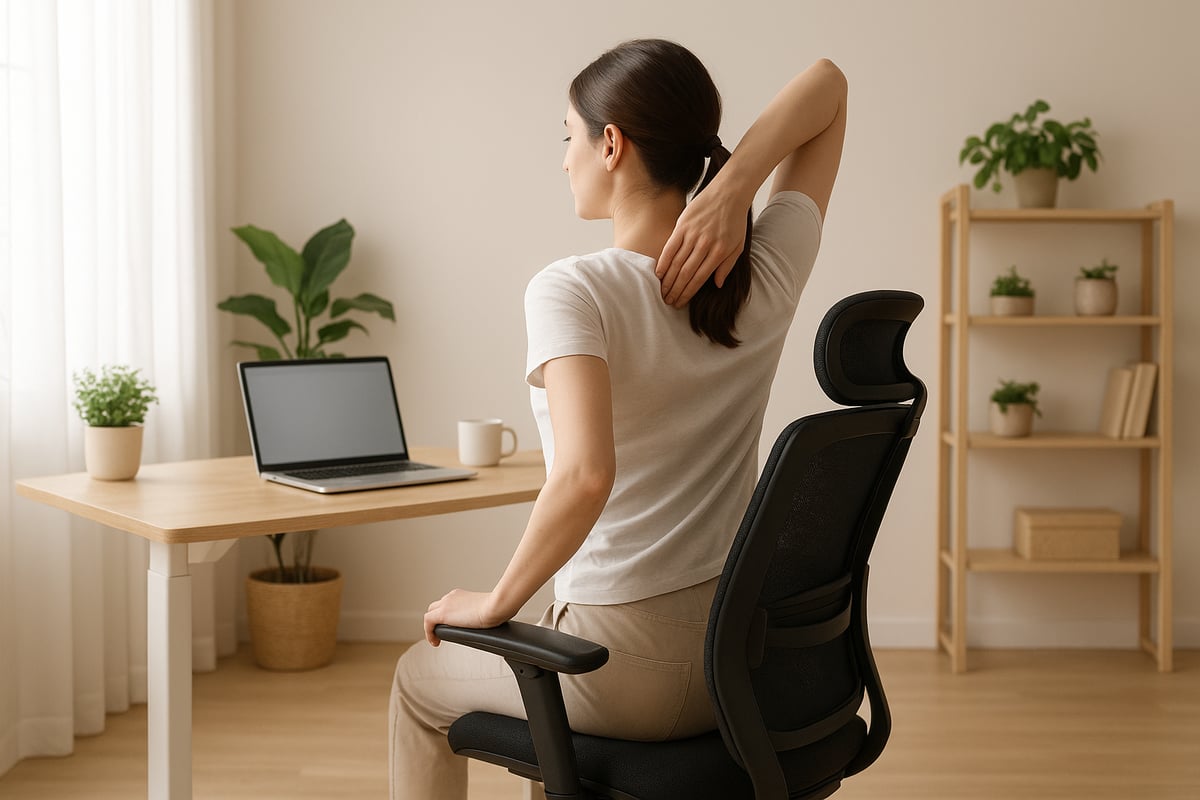
Proper ergonomics are crucial for anyone practicing home chiropractic. Start by selecting supportive chairs with adjustable heights and firm lumbar backing. Arrange your desk so the top of your monitor is at eye level, reducing neck strain. Position your keyboard and mouse so elbows stay close to your sides, maintaining a relaxed posture.
Lighting also matters. Use soft, indirect light to reduce glare and eye fatigue. Try to keep your workspace organized and clutter-free, making movement easier and safer. Take regular movement breaks—stand, stretch, or walk every 30 minutes to keep your spine mobile and your muscles engaged.
By prioritizing ergonomic setups, you lay a strong foundation for effective home chiropractic routines.
Lifestyle Habits That Support Spinal Health
Your daily habits play a vital role in the success of home chiropractic. Hydration is key—water keeps your spinal discs healthy and flexible. Choose nutrient-rich foods that support joint and bone health, such as leafy greens, fish, and nuts. Sleep on a mattress that supports your natural spinal curves, and use a pillow that keeps your neck aligned.
Regular movement is essential. Avoid sitting for long periods by taking short walks or performing gentle stretches throughout the day. For more information on optimizing your nutrition for joint health, see this Nutrition for Joint Health resource.
Developing these daily habits helps you get the most out of home chiropractic and supports your long-term well-being.
Stress Management and Its Impact on the Spine
Stress can quickly undermine the benefits of home chiropractic by causing muscle tension, poor posture, and increased pain. Incorporate relaxation techniques into your daily routine, such as deep breathing, meditation, or progressive muscle relaxation. These practices help calm both your mind and body, allowing your spine to recover and stay healthy.
Consider setting aside a few minutes each day for mindfulness or guided imagery. Even simple activities, like listening to calming music or spending time outdoors, can lower stress levels. Over time, consistent stress management contributes to better spinal alignment and overall health, making your home chiropractic efforts more effective.
Family and Community Support for Wellness
Home chiropractic is even more effective when everyone in your household is involved. Encourage family members to join you in stretching, posture checks, or short walks. Share tips and techniques, and set goals together for better spinal health.
Connecting with local or online wellness groups can provide motivation and accountability. You might find new routines, helpful resources, or simply the encouragement you need to keep going. Building a supportive environment ensures that home chiropractic becomes a sustainable, positive part of daily life for you and your loved ones.
Prevention Strategies: Keeping Pain Away Long-Term
Taking a proactive approach to spinal health is vital for sustaining the benefits of home chiropractic. By adopting daily habits, protecting yourself during physical activity, monitoring early warning signs, and combining holistic practices, you can keep pain at bay and enjoy long-term wellness.
Daily Habits for Spinal Health
Consistent routines are at the core of effective home chiropractic. Incorporate micro-movements and mini-stretches throughout your day to reduce tension and support spinal alignment. Regular core and back strengthening not only increases stability but also helps prevent common injuries.
Use proper lifting techniques when handling objects at home. Always bend at your knees, keep your back straight, and engage your core muscles. Simple changes like these, along with using simple tools for pain relief, can make home chiropractic safer and more effective.
Injury Prevention for Active Lifestyles
Active individuals benefit greatly from home chiropractic, but injury prevention remains essential. Begin each workout or activity with a thorough warm-up and end with a cool-down to prepare muscles and joints. Modify your activities based on your personal limitations, and do not push through pain.
Listening to your body is critical. If you notice discomfort or fatigue, pause and reassess your movements. These simple strategies, combined with home chiropractic techniques, help minimize the risk of overuse and acute injuries for long-term spinal health.
Monitoring and Responding to Early Warning Signs
Early detection is key to preventing chronic pain. Keep track of any discomfort or changes in mobility in a journal or app. By monitoring these signs, you can intervene with home chiropractic methods before issues worsen.
Embrace technology such as wearables or posture-monitoring apps to receive real-time feedback on your movements. Quick responses to early warning signs help you adjust your self-care plan and support ongoing spinal wellness.
Integrating Chiropractic Wellness with Other Health Practices
Home chiropractic works best when integrated with complementary therapies. Consider combining your routine with massage, acupuncture, or physical therapy for a well-rounded approach. Coordinating with healthcare providers ensures your wellness plan is personalized and safe.
Building a holistic self-care strategy empowers you to address root causes, not just symptoms. By staying proactive and informed, you can maximize the benefits of home chiropractic and maintain long-term spinal health.
When to Seek Professional Help: Signs and Scenarios
Understanding when to seek expert assistance is crucial for anyone practicing home chiropractic. While self-care delivers many benefits, recognizing the boundaries of safe practice helps protect your health and ensures lasting results.
Warning Signs That Require Expert Evaluation
Certain symptoms signal the need to pause home chiropractic and consult a professional immediately. If you experience severe or radiating pain, numbness, tingling, or sudden weakness, these may indicate nerve involvement or serious spinal issues. Loss of bladder or bowel control is a medical emergency.
Common warning signs include:
- Persistent pain unresponsive to self-care
- Sudden loss of function or mobility
- Unexplained weight loss with back pain
It is essential to be aware of the risks of manual spinal treatment, as improper techniques can cause adverse events. Always err on the side of caution and prioritize your well-being over continuing home chiropractic routines.
The Role of Professional Chiropractors in Your Wellness Journey
Professional chiropractors offer advanced diagnostics and personalized care that go beyond home chiropractic techniques. They use thorough assessments, including physical exams and, if necessary, imaging to identify underlying conditions.
By integrating professional care, you gain access to:
- Targeted treatment plans
- Ongoing monitoring for progress
- Guidance on safe self-care practices
A qualified chiropractor can help you maximize the benefits of home chiropractic while minimizing risks. Their expertise ensures that your journey toward natural relief remains both effective and safe.
How to Choose a Qualified Chiropractor
Selecting the right provider is essential for anyone supplementing home chiropractic with expert help. Look for credentials, experience, and positive patient reviews. During your initial visit, ask about their approach to wellness and how they tailor care to individual needs.
Consider these factors when making a choice:
| Criteria | What to Look For |
|---|---|
| Credentials | Licensed, accredited, insured |
| Experience | Relevant clinical background |
| Communication | Clear, patient-centered |
| Philosophy | Wellness and prevention focus |
To meet professionals who embody these qualities, visit the Meet the Chiropractic Team page for insights into their backgrounds and care philosophies. This step helps you build confidence in your home chiropractic journey.
Combining Home Care with Professional Support
Combining home chiropractic with regular professional check-ups creates a holistic care plan. Your chiropractor can provide feedback on your self-care routine and adjust it as your needs change.
Best practices include:
- Scheduling periodic evaluations
- Sharing your home care journal
- Discussing new symptoms promptly
This collaborative approach enhances results and ensures that home chiropractic remains a safe, effective strategy for natural relief. Open communication with your care team is the key to long-term spinal health.
Frequently Asked Questions about Home Chiropractic in 2026
Curious about home chiropractic and how it can fit into your wellness routine? Below, we answer the most pressing questions people have as they explore safe, effective self-care at home.
Common Concerns and Myths
Many wonder if home chiropractic is safe for everyone. Generally, most healthy adults can benefit from gentle self-care, but it is not suitable for all health conditions. If you experience symptoms like numbness, severe pain, or loss of function, always consult a professional before starting.
Can self-care replace professional treatment? While home chiropractic techniques offer relief and help maintain mobility, they are not substitutes for professional diagnostics or advanced care when needed. For example, methods such as the counterstrain technique overview provide safe, gentle ways to address tension, but should be used with proper guidance.
How often should you practice home chiropractic? Most experts recommend daily or several times a week, focusing on gentle movements and listening to your body's feedback. Avoid forceful self-adjustments and prioritize gradual progress.
Future Trends in Home Chiropractic Care
The future of home chiropractic is evolving rapidly. New tools and technologies are making self-care more accessible and effective. Wearable devices and posture-correcting apps help monitor alignment and offer real-time feedback on your technique.
Telehealth is also transforming how people access expert advice. Virtual consultations with chiropractors provide tailored guidance, ensuring your routine remains safe and effective. As best practices continue to develop, expect home chiropractic to become a key part of holistic, natural pain relief for many households.
Staying informed and open to innovation will help you maximize the benefits of home chiropractic in the years ahead.
Now that you have a clear understanding of safe home chiropractic practices and how to support your spinal health naturally, remember that everyone's journey toward wellness is unique. While these expert tips empower you to take meaningful steps at home, sometimes a personalized approach makes all the difference. If you’re ready to address the root causes of discomfort or want a professional evaluation tailored just for you, we’re here to help you achieve lasting vitality and well-being. Let’s work together to enhance your quality of life—Schedule Your Appointment Today.