
Are you ready to make 2026 the year you truly invest in your spinal health and overall well-being? With new research and evolving practices, now is the perfect time to explore the benefits of optimal chiropractic care.
This comprehensive guide will walk you through everything you need to know about optimal chiropractic, from the latest advancements in the field to practical steps for integrating wellness into your daily routine. Discover science-backed strategies, learn how to select the right practitioner, and unlock tips for lasting vitality. Take the first step toward a healthier, more vibrant future today.
The Science and Benefits of Chiropractic Care in 2026
Prioritizing your spinal health in 2026 means leveraging the latest research, technology, and holistic strategies. The optimal chiropractic approach is built on a strong foundation of science, offering measurable benefits for both immediate relief and long-term wellness. Let’s explore how modern chiropractic care has evolved and why it stands as a pillar of whole-body health in the coming years.
Evolution of Chiropractic Science
Chiropractic care has transformed significantly over the past few decades. What began as a manual approach to spinal health has now merged with evidence-based practice and advanced diagnostics. In 2026, optimal chiropractic care is fully integrated with mainstream healthcare, making it a trusted choice for a broad range of patients.
Recent scientific studies have solidified chiropractic’s place in modern medicine. For example, a 2025 meta-analysis revealed that patients with chronic pain experienced a 70% improvement following chiropractic intervention. Additionally, research has shown that chiropractic is an effective first-line option for managing back pain, and it may help reduce dependence on prescription medications. According to a 2025 study, spinal manipulative therapy significantly lowers the risk of opioid use disorder in individuals with low back pain.
The incorporation of digital health tools and data-driven assessments ensures that optimal chiropractic care remains at the forefront of patient-centered solutions.
Key Health Benefits
The benefits of optimal chiropractic care extend far beyond simple pain relief. Patients commonly report improvement in back, neck, and joint discomfort, as well as reduced frequency and intensity of headaches. By focusing on spinal alignment, chiropractic care can boost mobility, correct posture, and support nervous system function, which in turn influences overall health.
Athletes, including Olympic competitors, often rely on chiropractic treatments to enhance performance, prevent injuries, and speed recovery. These advantages are not limited to elite athletes; anyone seeking improved movement and resilience can benefit. The optimal chiropractic approach also supports joint flexibility and muscle balance, making daily activities more comfortable.
A focus on whole-body health means practitioners tailor care to individual needs, ensuring every patient receives a plan that aligns with their goals and lifestyle.
Summary Table: Common Benefits
| Benefit | Reported Outcome |
|---|---|
| Pain Relief | Decreased back, neck, headaches |
| Improved Mobility | Increased range of motion |
| Nervous System Support | Enhanced energy, clarity |
| Athletic Performance | Faster recovery, fewer injuries |
Whole-Body Wellness Approach
Optimal chiropractic care in 2026 emphasizes a proactive, preventative mindset. Instead of addressing symptoms alone, practitioners seek to identify and resolve the root causes of discomfort or dysfunction. This holistic strategy includes lifestyle coaching, ergonomic guidance, and stress management to foster sustainable wellness.
Mental health is another core focus. Many patients experience reduced anxiety and better sleep patterns after beginning chiropractic care. According to a 2024 survey, 60% of chiropractic patients reported a notable improvement in their overall quality of life. This statistic highlights the value of integrating chiropractic with other wellness practices, such as nutrition and exercise.
By supporting both physical and emotional health, optimal chiropractic care empowers individuals to take charge of their well-being and build resilience for the future.
Safety and Myths Debunked
Safety is a top priority in the field of optimal chiropractic care. Modern techniques are designed to minimize risks and maximize comfort. Research consistently shows that chiropractic care is among the safest non-invasive approaches for musculoskeletal health.
Common misconceptions, such as the belief that “cracking” is harmful or that chiropractic is unregulated, are unfounded. In reality, the audible sound during adjustments is simply gas releasing from joints, not bone damage. Regulatory standards and licensure requirements have become even more rigorous in 2026, ensuring practitioners adhere to the latest best practices and ethical guidelines.
Patients can feel confident that optimal chiropractic care is not only effective but also safe, well-regulated, and supported by a growing body of scientific evidence.
Step-by-Step: Your Optimal Chiropractic Wellness Journey
Embarking on your optimal chiropractic journey in 2026 can feel transformative when you know what to expect at every stage. By breaking the process into clear, actionable steps, you’ll be empowered to achieve long-term health and vitality. Let’s explore each phase, ensuring you make informed decisions for your well-being.

Step 1: Assessing Your Health Needs
The first step in the optimal chiropractic process is to honestly assess your health needs. Are you experiencing persistent headaches, back pain, or stiffness? Maybe you’ve noticed your posture worsening or your range of motion decreasing.
Common signs that you may benefit from optimal chiropractic care include:
- Chronic headaches or migraines
- Limited flexibility or joint discomfort
- Poor posture, especially from desk work
- Ongoing neck or back pain
- Fatigue or difficulty sleeping
Recognizing these early can make a significant difference. Early intervention often leads to better outcomes, preventing minor issues from becoming chronic conditions. By reflecting on your daily habits and discomforts, you lay the groundwork for a proactive approach to spinal health.
Remember, optimal chiropractic care is not just for pain relief. It’s about nurturing your whole-body wellness and supporting your nervous system for a healthier, more active life. If you identify with any of these signs, consider scheduling an assessment to start your journey.
Step 2: Initial Consultation and Advanced Diagnostics
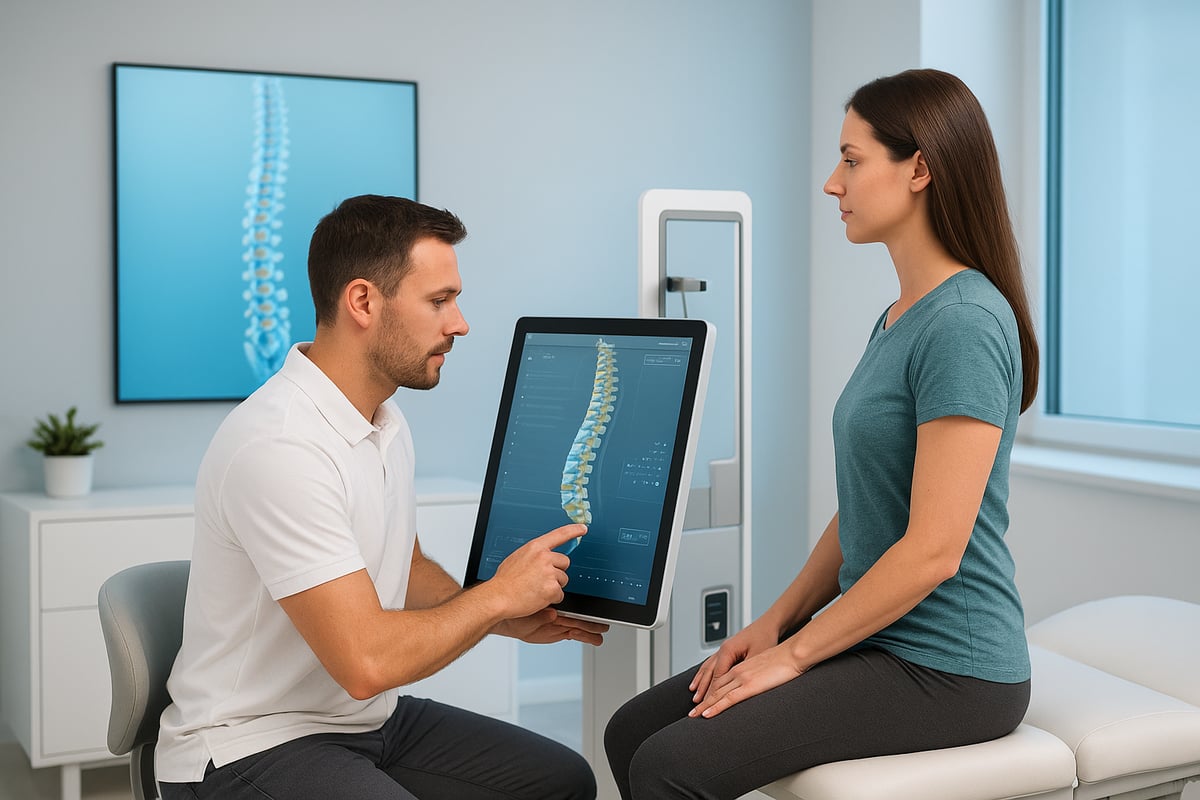
Your initial visit is a cornerstone of the optimal chiropractic experience. During this session, your practitioner will conduct a thorough health history, discuss your goals, and perform a physical evaluation. In 2026, clinics are equipped with innovative diagnostic tools, such as AI-powered spinal imaging and posture analysis apps.
These technologies allow for personalized spinal mapping, ensuring your care targets the root causes of discomfort. For example, clinics leveraging advanced diagnostics report recovery times up to 30% faster than traditional methods.
Here’s what to expect:
| Diagnostic Tool | Purpose | Benefit |
|---|---|---|
| AI Spinal Imaging | Visualizes spinal alignment | Precision in diagnosis |
| Posture Analysis Apps | Assesses posture in real-time | Immediate feedback for improvement |
| Mobility Assessment Software | Measures range of motion | Tracks progress objectively |
Ready to take the first step? Use the New Patient Scheduling Guide to streamline your appointment and start your optimal chiropractic journey with confidence.
Step 3: Crafting a Personalized Care Plan
After diagnostics, your chiropractor will collaborate with you to create a tailored care plan. The optimal chiropractic approach in 2026 emphasizes partnership and customization. Together, you’ll set achievable goals, whether they involve reducing pain, enhancing mobility, or boosting overall wellness.
Your plan may include:
- Spinal adjustments targeting specific issues
- Lifestyle modifications for posture and ergonomics
- Nutrition advice to support healing
- Exercise recommendations tailored to your activity level
For instance, athletes might receive plans focused on performance and injury prevention, while seniors benefit from gentle mobility exercises. Desk workers often get ergonomic coaching and stretching routines. The goal is always to address your unique needs and empower you to take charge of your health.
A personalized plan is the foundation of optimal chiropractic care, helping you see measurable progress and maintain motivation throughout your wellness journey.
Step 4: Treatment Modalities and Techniques
With your care plan in place, you’ll begin treatment using evidence-based modalities. The optimal chiropractic landscape in 2026 features a blend of traditional and emerging techniques, each selected to support your specific goals.
Common treatments include:
- Spinal adjustments for alignment and pain relief
- Soft tissue therapy to reduce tension and improve circulation
- Corrective exercises for strength and flexibility
Emerging options, such as instrument-assisted adjustments and laser therapy, offer additional avenues for relief. Treatment frequency is customized, but typically involves regular sessions over several weeks, adjusted as you progress.
For chronic lower back pain, a combination of therapies often yields the best results. Your chiropractor will explain each technique, ensuring you are comfortable and informed every step of the way. This comprehensive approach is central to the optimal chiropractic philosophy, emphasizing effectiveness and patient empowerment.
Step 5: Ongoing Monitoring and Adjustment
Optimal chiropractic care doesn’t end after your initial treatment phase. Ongoing monitoring is essential for sustained improvement. In 2026, digital health tools make it easy to track your progress, from pain levels to mobility milestones.
Regular reassessments allow your chiropractor to adjust your plan based on objective data and your feedback. If your needs change, your care evolves with you, ensuring you always receive the most effective support.
Research shows that 80% of patients experience lasting improvement with ongoing care. Embracing this step keeps you moving forward, preventing setbacks and reinforcing healthy habits. The optimal chiropractic journey is a continuous partnership, focused on your long-term vitality.
Advanced Trends and Innovations in Chiropractic Care
The landscape of optimal chiropractic is evolving rapidly, driven by cutting-edge technology and a holistic approach to patient wellness. In 2026, practitioners are adopting innovative tools and strategies to deliver more precise, effective, and accessible care than ever before. Understanding these trends helps patients make informed choices and maximize the benefits of optimal chiropractic.

Technology-Driven Care
Technology is reshaping the delivery of optimal chiropractic. AI-powered diagnostic systems now analyze spinal alignment and posture with remarkable accuracy, allowing for more targeted treatment plans. Virtual consultations have become standard, enabling patients to connect with their chiropractor from home or the office.
Wearable devices, such as smart posture sensors and fitness trackers, play a key role in ongoing care. These gadgets monitor daily movement and alert users to poor posture, supporting long-term spinal health. Clinics are also leveraging digital health platforms to track patient progress and adjust care in real time.
For a deeper look at how digital health tools and wearable devices are improving patient outcomes, visit Emerging technologies in chiropractic practice. These innovations are central to the future of optimal chiropractic, making care more precise and results-driven.
Integrative and Holistic Approaches
Optimal chiropractic in 2026 increasingly focuses on the whole person, not just the spine. Chiropractors collaborate with physical therapists, nutritionists, and mental health professionals to create comprehensive wellness programs. This integrative model addresses nutrition, movement, mental well-being, and spinal alignment together.
Patients benefit from programs that combine chiropractic adjustments with guided exercise, dietary plans, and stress management techniques. Wellness retreats led by chiropractic professionals offer immersive experiences, combining education, movement, and relaxation for lasting results.
By adopting these holistic approaches, optimal chiropractic empowers patients to achieve sustainable health improvements that extend beyond pain relief.
Personalized and Preventative Focus
Personalization is at the heart of optimal chiropractic trends in 2026. Genetic testing and advanced assessment tools allow practitioners to tailor care plans to each patient's unique needs. Early intervention strategies are emphasized for both youth and seniors, helping to prevent issues before they develop into chronic conditions.
Preventative care in the workplace is another major focus. Programs designed to reduce repetitive strain and improve ergonomics have been shown to decrease workplace injuries by 40 percent. Custom wellness plans ensure that every patient receives the most effective approach based on their lifestyle and risk factors.
Optimal chiropractic now means proactively supporting lifelong health, not just responding to symptoms as they arise.
Accessibility and Telehealth
Accessibility is a cornerstone of modern optimal chiropractic. Tele-chiropractic services have expanded, making expert care available to patients in remote or underserved areas. Virtual appointments allow for initial assessments, follow-up consultations, and ongoing education, all from the comfort of home.
Mobile clinics and community outreach programs are also bridging gaps in access, delivering spinal health services where they are most needed. Rural patients, in particular, benefit from these advancements, receiving timely care without lengthy travel.
In 2026, optimal chiropractic ensures that high-quality, personalized care is within reach for everyone, regardless of location or circumstance.
How to Choose the Right Chiropractor for You
Selecting an optimal chiropractic provider is a crucial step for your health journey. A well-chosen chiropractor will not only address your current needs but also support your long-term wellness goals. Here is a practical guide to finding the right fit for you.
Credentials and Specializations
Begin by confirming the chiropractor’s credentials. Licensure ensures your provider meets strict educational and ethical standards. Look for certifications from recognized boards and evidence of ongoing professional development.
Specializations matter for optimal chiropractic outcomes. Some practitioners focus on pediatric, sports, geriatric, or prenatal care. If you have unique needs, seek a chiropractor with expertise in your area of concern. This targeted approach enhances the quality and safety of your care.
Evaluating Clinic Philosophy and Approach
Beyond qualifications, consider the clinic’s philosophy. Is the practice committed to optimal chiropractic wellness, or does it focus solely on symptom relief? Clinics that emphasize prevention, education, and patient empowerment often deliver better long-term results.
Ask about their communication style. Do they involve you in decision-making? Are lifestyle coaching and workshops available? These factors signal a holistic approach that prioritizes your overall vitality.
Patient Reviews and Community Reputation
A strong reputation is a key indicator of optimal chiropractic service. Read patient testimonials and third-party reviews to gauge satisfaction and outcomes.
Ask your primary care provider or friends for referrals. Their experiences can help you identify trustworthy practitioners who deliver consistent, high-quality care.
Practical Considerations
Practical factors also play a role in your decision. Evaluate the clinic’s location and office hours for convenience. Confirm if they accept your insurance or offer flexible payment options.
Modern clinics often use digital records and online booking, making your experience smoother. These features support continuity and accessibility for your optimal chiropractic care.
Ignite Chiropractic & Wellness: A Local Example of Optimal Care
Ignite Chiropractic & Wellness in Marysville, Ohio, exemplifies optimal chiropractic through personalized, wellness-based care. Their team uses advanced diagnostics and specialized treatments to address root causes, not just symptoms.

The clinic’s community-focused mission empowers patients to achieve lasting health without drugs or surgery. New patients can expect a comprehensive evaluation and tailored care plan. To learn more about their experienced professionals, visit the Meet the Ignite Chiropractic Team page.
Integrating Chiropractic with Your Overall Wellness Plan
Taking a holistic approach to health means weaving optimal chiropractic into your daily routine, not just relying on periodic adjustments. This integration can amplify results, supporting your body’s natural ability to heal and thrive.
Synergy with Other Health Practices
Optimal chiropractic works best when combined with nutritious eating, regular exercise, and effective stress management. Research shows that integrating these practices leads to faster recovery and sustained well-being. For example, patients who pair their care with strength training or mindfulness often see improved mobility and reduced discomfort.
Collaboration between chiropractors, nutritionists, and fitness experts is becoming more common. Clinics with a holistic focus, like those described on the Marysville Chiropractor About Page, are leading the way in providing this comprehensive support. By viewing the body as an interconnected system, optimal chiropractic can address the root causes of pain and dysfunction, not just the symptoms.
Building Sustainable Habits
Consistency is crucial for lasting results. Small, daily actions such as mindful posture, ergonomic workspaces, and gentle stretches can make a significant difference. Optimal chiropractic encourages proactive self-care, empowering you to take charge of your spinal health between visits.
Consider setting reminders to move every hour or incorporating simple mobility exercises into your morning routine. These habits create a strong foundation, supporting the benefits gained from your chiropractic sessions.
Monitoring Progress and Setting New Goals
Tracking your journey is essential for measuring improvement and staying motivated. Many individuals use health apps to monitor pain levels, mobility, and other wellness milestones. This technology enables both you and your chiropractor to adjust your plan as your needs evolve.
Optimal chiropractic is not a one-time fix but a dynamic process. As your health improves, set new goals—perhaps increasing flexibility, boosting energy, or reducing reliance on medication. Regular check-ins ensure your plan remains tailored and effective.
Family and Community Wellness
Optimal chiropractic extends beyond individual care. Involving your family can multiply the benefits, fostering healthy habits for everyone. Many clinics offer family plans and community workshops, making it easier to learn and stay engaged together.
Sharing education and resources within your community builds a culture of well-being. When everyone participates, the path to wellness becomes more sustainable and enjoyable for all.
Self-Care and At-Home Support for Lasting Results
Prioritizing self-care is essential for maintaining the benefits of your optimal chiropractic journey. By integrating daily routines, recognizing when to seek help, leveraging practical resources, and adopting a long-term mindset, you can support spinal health and overall well-being between professional visits.
Daily Spinal Health Practices
Consistent daily habits are the cornerstone of optimal chiropractic self-care. Begin each morning with safe stretches, focusing on your neck, back, and shoulders. Mobility exercises, such as gentle twists and hip openers, help keep your spine flexible and reduce stiffness.
Set up your workspace to encourage good posture. Use an ergonomic chair, keep your screen at eye level, and take brief movement breaks every hour. Small changes like these support the foundation of optimal chiropractic health.
- Incorporate core strengthening into your routine.
- Practice mindful posture checks throughout the day.
- Use supportive pillows for sleep alignment.
A proactive approach ensures your spine remains resilient and adaptable.
Recognizing When to Seek Professional Help
Optimal chiropractic care includes knowing your limits. While self-care is powerful, certain warning signs should prompt immediate attention from a chiropractor. Persistent pain that does not improve, sudden numbness or tingling, and loss of mobility require expert evaluation.
If you experience headaches that escalate, new or worsening back pain, or any injury from a fall or accident, schedule a consultation promptly. Addressing these issues early helps prevent long-term complications and supports optimal chiropractic outcomes.
Remember, your chiropractor is a resource for both acute concerns and preventive guidance.
Tools and Resources
Empowering your optimal chiropractic self-care is easier with the right tools. Consider using foam rollers for muscle release, posture correctors for daily alignment, and ergonomic supports for your chair or car seat. These aids can make a significant difference in your comfort and spinal health.
Explore recommended apps that guide stretches, track pain levels, and remind you to move. Books and online resources also offer valuable education for self-advocacy. For those interested in technology, digital advancements in chiropractic care such as AI-driven posture analysis can enhance your home support routines.
Choose resources that fit your lifestyle and make spinal wellness an accessible priority.
Long-Term Mindset for Wellness
Sustaining optimal chiropractic results requires a commitment to consistency and education. Establish daily habits that prioritize movement, posture, and self-awareness. Regularly assess your progress and adjust your routines as you grow stronger.
Stay informed about the latest research and cost-saving benefits, such as how chiropractic care leads to lower healthcare costs, reinforcing the value of long-term self-care. Advocate for your health by seeking credible information and engaging in ongoing learning.
By embracing a proactive and informed mindset, you can enjoy lasting improvements in spinal health and overall well-being.
As you reflect on the steps to achieving true wellness in 2026, remember that chiropractic care is most effective when it’s tailored to your unique needs and goals. We’ve explored how advanced diagnostics, personalized care plans, and a holistic approach can make a lasting difference in your quality of life. If you’re ready to address the root causes of discomfort and invest in your long term vitality, now is the perfect time to take the next step. Let’s work together to help you feel your best—Schedule Your Appointment Today.