
Imagine stepping into 2026 feeling energized, focused, and balanced every single day. Picture a world where optimal health means not just avoiding sickness but thriving in every aspect of life.
This essential guide reveals the most current, science-backed strategies for achieving and maintaining optimal health in today's fast-changing world. You will discover practical steps, emerging trends, and holistic approaches that make well-being accessible and sustainable for everyone.
Ready to transform your lifestyle? Explore how nutrition, movement, mental health, prevention, technology, and daily habits can help you unlock your healthiest self in 2026.
Understanding Optimal Health in 2026
Imagine a world where optimal health is not just about avoiding sickness, but about achieving a vibrant, fulfilling life. In 2026, this concept has evolved, reflecting a broader, more dynamic understanding of what it means to truly thrive.

Defining Optimal Health in the Modern Era
Optimal health in 2026 is recognized as a holistic and dynamic state, integrating physical, mental, and social well-being. Unlike “normal” health, which focuses mainly on the absence of disease, optimal health emphasizes thriving at every level. This means individuals aim for vitality, resilience, and satisfaction across all areas of life.
Experts now define optimal health using a comprehensive model. The American Occupational Therapy Association (AOTA) describes it as “a state of complete physical, mental, and social well-being.” This broad perspective includes eight interconnected dimensions of wellness:
- Emotional: Managing feelings and coping with stress.
- Physical: Maintaining a healthy body through activity, nutrition, and sleep.
- Occupational: Finding purpose and satisfaction in work.
- Intellectual: Lifelong learning and mental stimulation.
- Social: Building healthy relationships and community connections.
- Spiritual: Seeking meaning and aligning values.
- Environmental: Creating safe, healthy surroundings.
- Financial: Achieving stability and managing resources effectively.
Societal and technological changes are reshaping what optimal health means in practice. The shift toward personalized, preventive, and integrative health models is accelerating. For instance, wearable technology and telemedicine have transformed how people monitor and manage their well-being. According to Wearable technology tops 2026 fitness trends, these advancements empower individuals to track vital signs, detect early warning signs, and access professional care remotely.
Ultimately, achieving optimal health in 2026 requires a proactive and comprehensive approach that goes far beyond traditional medical care.
The Importance of a Holistic Approach
Focusing on only one aspect of health, such as diet or exercise, is no longer enough to reach optimal health. The mind, body, and environment are deeply interconnected. For example, chronic stress can weaken the immune system, disrupt sleep, and increase the risk of chronic diseases. This illustrates how emotional well-being directly affects physical health.
A holistic approach recognizes that every dimension of wellness influences the others. For instance, improving social connections can boost emotional resilience, while a supportive work environment can enhance both mental and physical wellness. This interconnectedness is now a central principle in healthcare and wellness industries in 2026.
Holistic health models, once considered alternative, have become mainstream. Integrative care teams use evidence-based strategies that address the whole person, not just symptoms. By embracing this comprehensive view, individuals can better anticipate challenges and adapt to life’s changes.
In summary, optimal health today means nurturing all dimensions of your well-being. This approach fosters balance, energy, and long-term resilience, setting the foundation for a thriving life in 2026.
Nutrition for Optimal Health: What’s New in 2026
Nutrition is at the core of optimal health in 2026. As science and technology advance, the way we eat has evolved beyond simple calorie counting. This year, the focus is on personalization, sustainability, and harnessing smart tools for informed choices. Let’s explore the latest evidence-based trends shaping how we fuel our bodies for total well-being.

The Evolution of Dietary Guidelines
In 2026, dietary guidelines have shifted towards a holistic, plant-centric approach. Whole foods, minimally processed ingredients, and anti-inflammatory choices are prioritized for optimal health. Leading health organizations now recommend diets rich in vegetables, fruits, legumes, nuts, and whole grains, with moderate amounts of lean protein and healthy fats.
A key advancement is the rise of personalized nutrition. Thanks to breakthroughs in genetics and microbiome science, dietary recommendations are tailored to individual needs. AI-driven tools analyze your genes, lifestyle, and gut health to craft precise meal plans. For example, AI-driven personalized meal planning platforms now use large language models to generate nutrition plans that align with your unique biology, improving adherence and results for optimal health.
Hydration has also gained attention. Advanced electrolyte tracking ensures your body maintains balance, especially for those with active lifestyles or unique metabolic needs. Evidence shows that anti-inflammatory diets help reduce the risk of chronic disease, supporting both prevention and longevity.
Superfoods in 2026 are chosen based on clinical validation. Nutrients like berberine, vitamin B12, and tailored probiotics are common supplements recommended for optimal health, but only when backed by individual data. Environmental sustainability is another driving force. More people choose locally sourced, eco-friendly foods, understanding that nutrition choices impact both personal and planetary health.
| Superfood | Key Benefit | Evidence Level |
|---|---|---|
| Berberine | Blood sugar balance | High |
| Vitamin B12 | Cognitive function | High |
| Probiotics | Gut health support | Moderate |
The future of nutrition is individualized, data-driven, and mindful of environmental impact. This comprehensive approach is central to optimal health in 2026.
Practical Steps for Healthy Eating
Building healthy eating habits is simpler with the right strategies. Start by designing balanced meals: fill half your plate with vegetables and fruits, one quarter with whole grains, and one quarter with lean proteins. This structure supports optimal health, providing essential nutrients without excess calories.
Meal prepping is a powerful tool in a fast-paced world. Choose a day each week to batch-cook grains, proteins, and vegetables. Store them in portioned containers for grab-and-go meals. Healthy snacking is easier with pre-cut veggies, unsalted nuts, and fruit on hand.
Reading food labels is crucial. In 2026, labels are more transparent, displaying not just calories and macros but also ingredients’ sourcing and processing levels. Avoid ultra-processed foods, which are linked to inflammation and increased disease risk, and instead seek out whole, nutrient-dense alternatives for optimal health.
Wearable devices now track your nutrient intake and flag deficiencies in real time. Sync your meals with your health app to receive feedback and suggestions. This proactive monitoring helps you stay aligned with your optimal health goals.
A few simple steps can make a big impact:
- Plan meals around seasonal, local produce.
- Prepare snacks in advance to avoid impulse choices.
- Use technology to monitor and adjust your nutrition.
By combining science, technology, and mindful choices, you can achieve and maintain optimal health through nutrition in 2026.
Movement & Physical Activity: The Foundation of Well-being
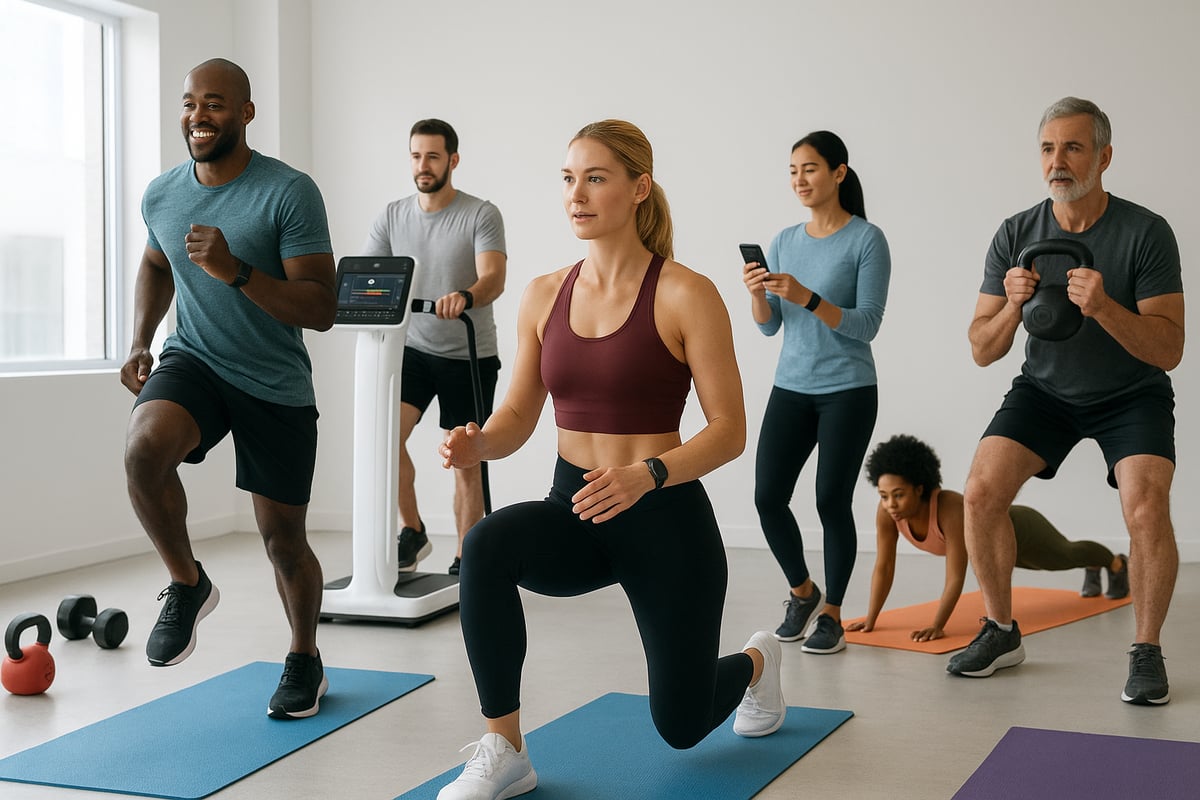
Movement is at the heart of optimal health in 2026. Today, staying active means far more than just hitting the gym. It is about weaving movement into every aspect of daily living to support physical, mental, and emotional well-being.
Recent advances show that consistent movement not only protects against chronic disease but also boosts mood, cognitive function, and longevity. Let us explore why movement is essential and how you can make it a cornerstone of your optimal health journey.
The Science of Exercise in 2026
The science behind exercise has evolved rapidly. In 2026, research consistently links regular movement to lower risks of heart disease, diabetes, and certain cancers. Exercise is also a powerful tool for managing stress and improving mental clarity, making it integral to optimal health.
One of the biggest trends is functional fitness, which focuses on movements that mimic real-life activities. This approach builds strength, flexibility, and balance, preparing the body for everyday demands. Mobility training and hybrid workouts—combining in-person sessions with virtual guidance—are also on the rise, offering flexibility and convenience.
A key concept is NEAT, or Non Exercise Activity Thermogenesis. NEAT refers to calories burned through everyday activities like walking, cleaning, or taking the stairs. In 2026, smart home gyms and AI-powered fitness coaching provide tailored feedback, encouraging people to integrate more NEAT into their routines. These innovations support the pursuit of optimal health by making movement accessible and engaging.
Strength training is now recognized as essential for all ages. It supports bone health, metabolism, and injury prevention. The CDC and WHO both recommend at least 150 minutes of moderate activity each week, emphasizing that consistency matters more than intensity.
| Activity Type | Frequency | Health Benefit |
|---|---|---|
| Aerobic (walking, cycling) | 150 min/week | Cardiovascular, mood |
| Strength training | 2-3x/week | Bone, muscle, metabolism |
| Mobility/flexibility | Daily | Injury prevention |
To discover more about the benefits of regular exercise and how it supports optimal health, visit our dedicated resource.
Building an Active Lifestyle
Adopting an active lifestyle is crucial for maintaining optimal health, especially in a fast-paced world. The key is to find practical ways to incorporate movement throughout your day, even when schedules are tight.
Start by identifying opportunities to move more:
- Use a standing desk to reduce sedentary time.
- Schedule walking meetings to combine work and activity.
- Take micro-workouts—short bursts of movement throughout the day.
Overcoming barriers like motivation and time is easier with technology. Wearable devices and health apps help track steps, monitor progress, and celebrate milestones. These tools keep you accountable and motivated on your optimal health journey.
Consider setting reminders to stretch or walk every hour. Engage in activities you enjoy, whether it is dancing, hiking, or playing a sport. Remember, every bit of movement counts toward your optimal health goals.
Embrace variety by mixing different forms of exercise. This keeps routines interesting and supports all aspects of physical well-being. With intention and creativity, building an active lifestyle becomes a sustainable part of your optimal health plan.
Mental and Emotional Wellness: The Overlooked Pillar
Mental and emotional wellness has become central to the pursuit of optimal health in 2026. While physical well-being remains vital, today's understanding recognizes that mind and body are deeply interconnected. Achieving optimal health means nurturing both emotional balance and mental clarity. This pillar, often overlooked in the past, is now recognized as a foundation for living a vibrant, fulfilling life.

Current Trends in Mental Health Care
In 2026, mental health care has undergone a significant transformation. There is increased awareness and destigmatization of mental health challenges, making it easier for individuals to seek help as part of their journey toward optimal health. Mindfulness, meditation, and cognitive behavioral strategies are now mainstream, supported by a growing body of evidence linking these practices to improved emotional well-being.
Digital mental health tools have revolutionized access to care. Teletherapy, mobile apps, and AI chatbots offer support anytime, anywhere, bridging gaps for those who previously faced barriers. Virtual support groups allow people to connect and share experiences, fostering a sense of belonging and community—both essential for optimal health.
According to the AOTA, emotional well-being is a core dimension of optimal health. This holistic perspective emphasizes that true wellness goes beyond the absence of illness. For example, mindfulness programs have become widely accessible, offering guided practices for stress reduction and resilience. These programs not only enhance emotional balance, but also contribute to better sleep, lower chronic disease risk, and improved immune function.
The connection between mental and physical health is now well established. Chronic stress can disrupt sleep and increase vulnerability to disease, while positive emotional states support healing and vitality. As a result, healthcare and wellness industries have integrated holistic models, prioritizing emotional wellness alongside physical care to help individuals achieve optimal health.
Strategies for Emotional Resilience
Building emotional resilience is essential for sustaining optimal health. Effective coping skills for stress, anxiety, and burnout are now considered as important as nutrition or exercise. Simple routines such as journaling, gratitude practices, and regular reflection are proven to support emotional balance.
Community engagement and social support are key factors in emotional wellness. Participating in group activities, volunteering, or joining virtual support networks strengthens connections that protect against loneliness and isolation. For those seeking professional guidance, working with a dedicated care team can provide tailored support. You can meet the wellness team to learn more about collaborative approaches to holistic care.
To make emotional wellness a daily priority, many individuals integrate mental health check-ins into their routines. This might include setting aside time each morning for mindfulness, or scheduling regular conversations with trusted friends or professionals. Over time, these practices become habits that reinforce optimal health on every level.
By combining self-care strategies, technology, and community support, anyone can build the emotional resilience needed to thrive in 2026. Mental and emotional wellness is no longer an afterthought—it is a vital pillar of optimal health.
Preventive Care and Proactive Health Management
Preventive care is a cornerstone of optimal health in 2026. Today, the focus is on proactive strategies that help people stay ahead of potential health issues. By combining emerging technologies, personalized monitoring, and a holistic mindset, achieving optimal health is now more accessible than ever.
The Power of Prevention in 2026
Staying healthy in 2026 means prioritizing early detection and proactive action. Regular screenings, such as blood pressure checks, cholesterol panels, and cancer screenings, remain vital. What sets this era apart is the availability of self-monitoring tools. At-home diagnostic kits and wearable sensors allow individuals to track vital signs and spot early warning signs from the comfort of home.
Cardiac technologies like ANS Testing and MaxPulse provide quick, non-invasive assessments, helping identify heart risks before symptoms develop. These advancements fit seamlessly into daily routines, making preventive care a natural part of optimal health.
Vaccinations and immune health have become even more critical after recent global health events. Staying up to date with recommended vaccines supports not only personal well-being but also community protection. According to recent data, early detection and intervention significantly improve health outcomes while reducing long-term costs.
The shift toward prevention means everyone has the power to take charge of their optimal health. By adopting regular screenings and embracing new technology, individuals are empowered to make informed decisions that support lifelong wellness.
Integrative and Personalized Approaches
Optimal health management in 2026 goes beyond traditional medicine. Today, the best results come from blending conventional care with holistic therapies. Nutrition, mindfulness, chiropractic care, and other integrative strategies are now mainstream in preventive practice.
Personalization is key. Genetic testing and biomarker analysis help tailor prevention plans to each individual. For example, supplement protocols can be designed based on unique health profiles, maximizing benefits and reducing unnecessary interventions.
Many are also turning to integrative services like chiropractic care and prevention to enhance mobility, reduce pain, and support nervous system health. These approaches complement medical screenings and help address root causes, not just symptoms.
The interconnectedness of body and mind is fully recognized. By combining insights from technology, genetics, and holistic therapies, preventive care now adapts to each person’s needs. This comprehensive approach is fundamental to achieving and maintaining optimal health in a rapidly changing world.
Harnessing Technology for Health Optimization
In 2026, technology is reshaping the landscape of optimal health. With innovative tools and platforms, individuals have more power than ever to monitor, manage, and improve their well-being. The integration of smart devices and digital resources is making optimal health both attainable and sustainable for diverse populations.
Digital Health Tools Transforming Wellness
The digital revolution has made optimal health a daily reality. Wearable devices now continuously monitor heart rate, sleep cycles, stress levels, and even blood glucose, providing real-time data that empowers users to make informed lifestyle choices.
Telemedicine platforms offer immediate access to health professionals, eliminating barriers of distance and time. Virtual care enables regular check-ins, medication management, and chronic disease monitoring, all from the comfort of home.
Artificial intelligence is also a game changer. AI-driven health coaches and virtual assistants analyze data from multiple sources, offering personalized recommendations for nutrition, activity, and stress management. Notably, new frameworks such as the Agentic AI framework for inclusive well-being are designed to support individuals with diverse needs, ensuring that optimal health strategies are accessible to everyone.
Integrated health apps bring together nutrition, activity, and sleep data, offering a holistic view of personal well-being. These innovations have led to increased adoption of digital health tools, a trend accelerated by the post-2020 pandemic era. This shift empowers individuals to take charge of their optimal health journey, using technology as a daily partner.
The Future of Health Data and Privacy
With so much personal health data being generated, privacy and security have never been more important. Managing digital records responsibly is a cornerstone of optimal health in 2026. Users must understand the benefits and risks of sharing information with healthcare providers and apps.
Blockchain-based health records are emerging as a solution, offering secure, transparent, and tamper-proof management of health data. This technology enables seamless sharing between patients and providers while maintaining strict privacy controls.
To protect optimal health, individuals should regularly review app permissions, use strong authentication methods, and stay informed about data rights. By prioritizing privacy, users can fully leverage the benefits of digital health tools without compromising personal security.
In summary, technology is a powerful ally in the pursuit of optimal health. By embracing smart tools and practicing good data stewardship, everyone can navigate the digital health era with confidence and clarity.
Lifestyle Design: Creating Sustainable Healthy Habits
Achieving optimal health in 2026 is not about quick fixes or temporary motivation. It’s about designing a lifestyle where healthy habits become second nature. By intentionally shaping your routines, spaces, and priorities, you can create a foundation for lasting well-being that touches every dimension of your life.
Building Lasting Change
Lasting change starts with understanding how habits work. Research shows that forming new behaviors requires cue, routine, and reward. Start by identifying small, manageable changes that align with your vision for optimal health. For example, a cue like setting out workout clothes can prompt morning exercise.
Your environment plays a powerful role. Make healthy choices easy by keeping nutritious snacks visible, arranging your workspace to encourage movement, and reducing clutter that can add stress. Prioritize sleep by creating a calming bedtime routine and keeping electronics out of the bedroom. Sleep hygiene supports your body’s natural rhythms and is essential for optimal health.
Financial wellness also matters. Budget for health essentials such as nutritious foods, fitness memberships, and preventive care. When your finances support your goals, maintaining optimal health becomes less stressful and more achievable.
Social and spiritual well-being are equally important. Foster connections by joining community groups, reaching out to friends, or volunteering. Find meaning through practices like meditation, gratitude journaling, or spending time in nature. These activities nurture your emotional resilience and round out the eight dimensions of wellness.
Community initiatives and workplace wellness programs can further reinforce healthy habits. Many organizations now offer resources for balanced living, including mental health support and flexible workspaces. To integrate nutrition into your holistic routine, explore Nutrition for holistic wellness for actionable strategies that complement your lifestyle design.
Step-by-Step Plan for Achieving Optimal Health
A structured approach can turn your aspirations into reality. Here’s a five-step plan to guide your journey toward optimal health:
- Assess your current health across all eight dimensions: physical, emotional, occupational, intellectual, social, spiritual, environmental, and financial.
- Set realistic, personalized goals. Focus on areas that need the most attention and celebrate small victories along the way.
- Implement manageable changes. Swap sugary snacks for fruit, add micro-workouts to your day, or set a bedtime alarm as a reminder to wind down.
- Monitor progress using technology or self-reflection. Track your habits, mood, and energy levels to see how changes impact your optimal health.
- Adjust your plan as you grow. Life is dynamic, and your strategy should evolve with new insights and circumstances.
For inspiration, here’s a sample week of optimal health behaviors:
| Day | Physical | Nutrition | Mental/Emotional | Social/Spiritual |
|---|---|---|---|---|
| Monday | 30-min walk | Hydration focus | Meditation | Call a friend |
| Tuesday | Yoga | Plant-based meal | Gratitude journaling | Volunteer work |
| Wednesday | Strength training | Healthy snack prep | Breathing exercises | Family dinner |
| Thursday | Stretch breaks | Balanced breakfast | Read or learn new skill | Nature walk |
| Friday | Dance or fun activity | Try a new recipe | Mindfulness practice | Community group |
Designing your lifestyle for optimal health is an ongoing process, not a one-time effort. By making intentional choices and building supportive environments, you set yourself up for sustainable, vibrant well-being.
As you reflect on the many ways to reach your optimal health in 2026—from embracing the latest in nutrition and movement to harnessing technology and holistic strategies—remember that real progress begins with a personalized approach. Our wellness-focused chiropractic care is designed to help you put these principles into action, supporting your journey with advanced diagnostics, tailored treatments, and ongoing guidance. If you’re ready to take the next step toward a healthier, more balanced life, we’re here to help you every step of the way.
Scedule Your Appointment Today